


Trouvères Anonymous
Released Album
Vocal
-
 February 18, 2022
 -
 March 25, 2016
 -
 March 15, 2013
 -
-
 November 9, 2010
 -
 April, 2010
Miscellaneous
-
 October 13, 2009
 -
 September 28, 2009
 -
-
 May 29, 2007
 -
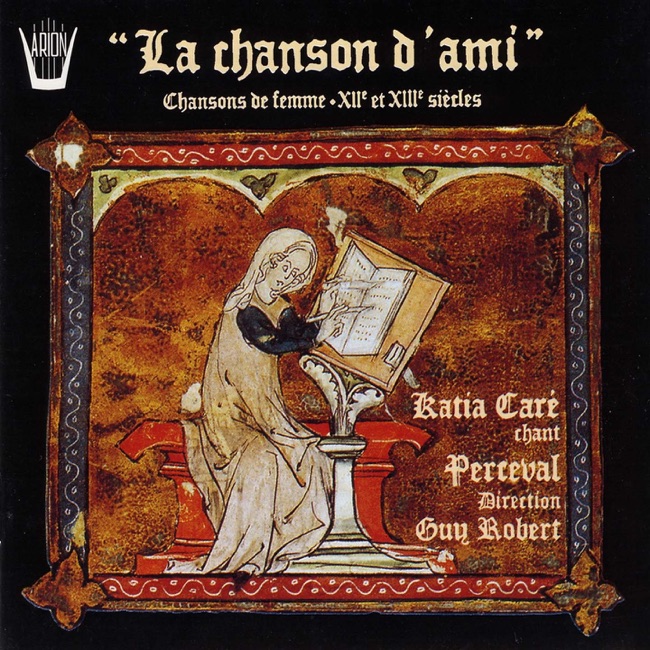 October 27, 2002
 -
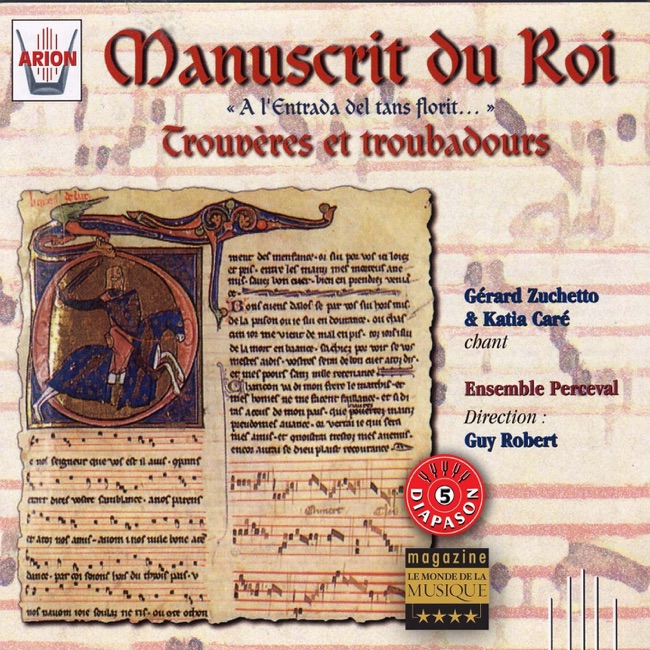 October 27, 2002
Artist Info
Role:ComposerCountry: FranceGenre:VocalThe Trouvères Anonymous were a group of medieval French composers who flourished in the 12th and 13th centuries. The term "trouvère" refers to a poet-composer who wrote in the langue d'oïl, the Old French language spoken in northern France. The identity of the individual composers who wrote under the name "Anonymous" is unknown, as their works were transmitted anonymously through manuscripts and oral tradition. The Trouvères Anonymous were part of a larger movement of courtly love poetry and music that emerged in the aristocratic courts of northern France in the 12th century. This movement was characterized by a focus on the themes of love, chivalry, and courtly manners, and was closely associated with the troubadours of southern France, who wrote in the langue d'oc. The Trouvères Anonymous wrote in a variety of genres, including chansons, motets, and lais. Their chansons were typically love songs that expressed the joys and sorrows of courtly love, while their motets were more complex works that combined multiple voices and texts. Their lais were narrative songs that told stories of love and adventure. One of the most famous works of the Trouvères Anonymous is the chanson "A chantar m'er de so qu'eu non volria" ("I must sing of what I would not"), which is attributed to the poet-composer Beatriz de Dia. This chanson is notable for its use of the trobar leu style, which was a simpler and more accessible form of poetry and music that was popular among the troubadours and trouvères. Another famous work of the Trouvères Anonymous is the motet "Bele Yolanz," which is a complex work that combines three different texts and melodies. This motet is notable for its use of the hocket technique, which involves dividing a melody between two or more voices in a way that creates a rhythmic and melodic interplay. The Trouvères Anonymous were also known for their use of musical notation, which was a relatively new development in the 12th and 13th centuries. Their manuscripts often included neumes, which were symbols that indicated the pitch and rhythm of the music. This allowed their works to be transmitted more accurately and widely than was possible through oral tradition alone. Despite their anonymous status, the Trouvères Anonymous were highly influential in the development of medieval music. Their works were widely circulated and imitated throughout Europe, and their use of musical notation helped to establish a standardized system of notation that would be used for centuries to come. In conclusion, the Trouvères Anonymous were a group of medieval French composers who played a significant role in the development of courtly love poetry and music. Their works, which were transmitted anonymously through manuscripts and oral tradition, were characterized by a focus on the themes of love, chivalry, and courtly manners. Their use of musical notation helped to establish a standardized system of notation that would be used for centuries to come, and their influence can be seen in the works of later composers such as Guillaume de Machaut and Francesco Landini.More....
Recent Artist Music
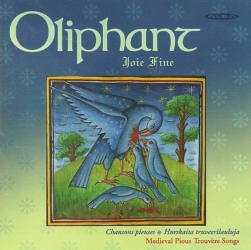
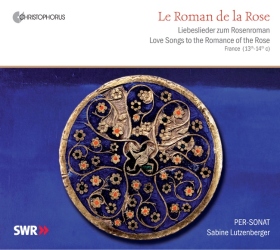
13
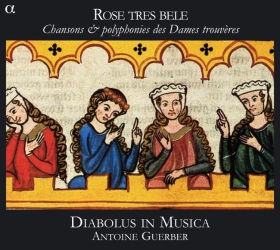
4:23
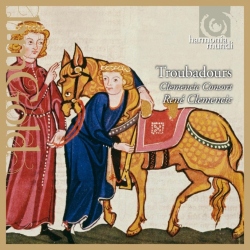
Copyright Ⓒ 2013 Davinci Finger. All rights reseved
Service Terms & Policy