


François Le Cocq
Released Album
Chamber
-
 September 2, 2022
 -
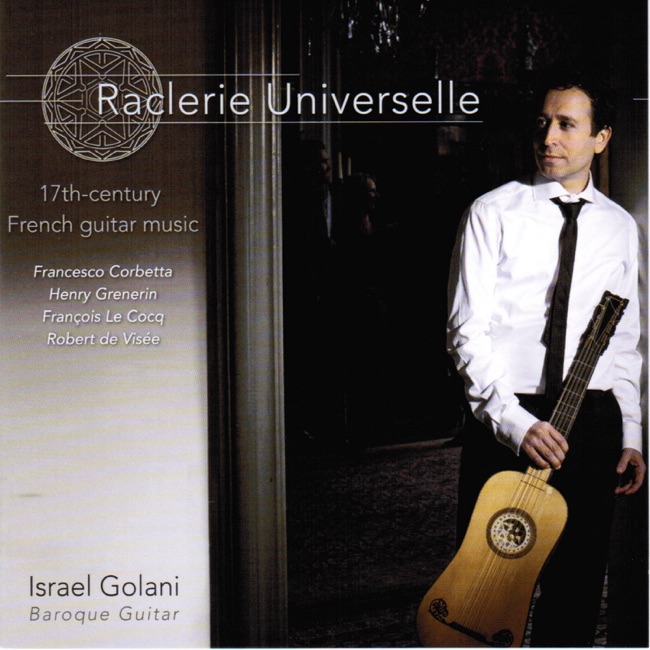 June 10, 2014
Miscellaneous
-
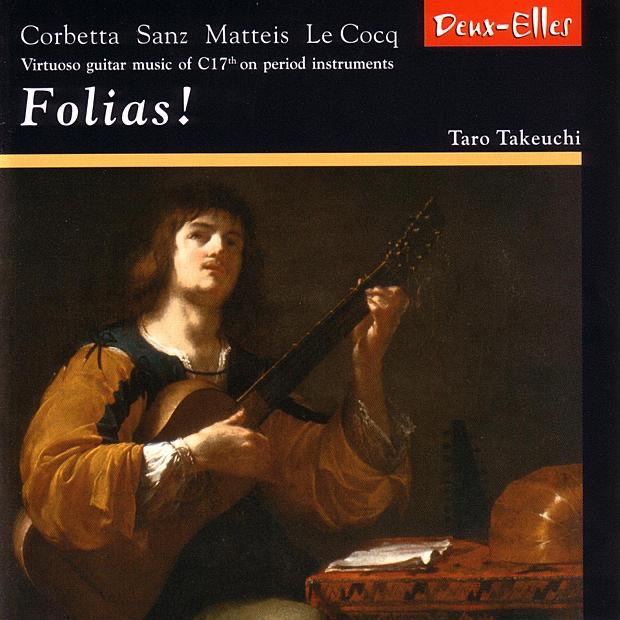 August 26, 2003
Artist Info
Role:ComposerPeriod:BaroqueGenre:ChamberFrançois Le Cocq was a French composer of the Baroque era, born in Paris in 1706. He was the son of a musician and grew up in a musical family, which likely influenced his interest in music from a young age. Le Cocq began his musical education at the Royal Academy of Music in Paris, where he studied under the renowned composer Jean-Philippe Rameau. Le Cocq's early works were primarily vocal pieces, including cantatas and operas. His first opera, "Les Amours de Momus," was performed in Paris in 1730 and received critical acclaim. This success led to further commissions for operas and other vocal works, including "Les Fêtes de l'Amour et de Bacchus" and "Les Amours de Protée." In addition to his vocal works, Le Cocq also composed instrumental music, including sonatas and concertos. His "Concerto for Flute and Strings" is particularly notable for its virtuosic flute writing and intricate orchestration. Le Cocq's music is characterized by its elegance and refinement, as well as its use of intricate counterpoint and harmonic complexity. His vocal works are known for their expressive melodies and dramatic flair, while his instrumental music showcases his skill as a composer and orchestrator. Despite his success as a composer, Le Cocq struggled financially throughout his career. He was forced to rely on commissions from wealthy patrons and the occasional performance of his works to make ends meet. This financial instability likely contributed to his relatively small output of compositions, as he was often forced to take on other work to support himself. Despite these challenges, Le Cocq continued to compose throughout his life, producing a number of notable works in his later years. His "Symphonie Concertante for Violin, Viola, and Orchestra" is particularly noteworthy for its innovative use of the solo instruments and its complex harmonic structure. Le Cocq died in Paris in 1772, leaving behind a legacy of elegant and refined music that continues to be appreciated by musicians and audiences today. While he may not be as well-known as some of his contemporaries, his contributions to the Baroque era of music are significant and deserving of recognition.More....
Recent Artist Music

Copyright Ⓒ 2013 Davinci Finger. All rights reseved
Service Terms & Policy