


Dary John Mizelle
Released Album
Chamber
-
 January 13, 2009
 -
Artist Info
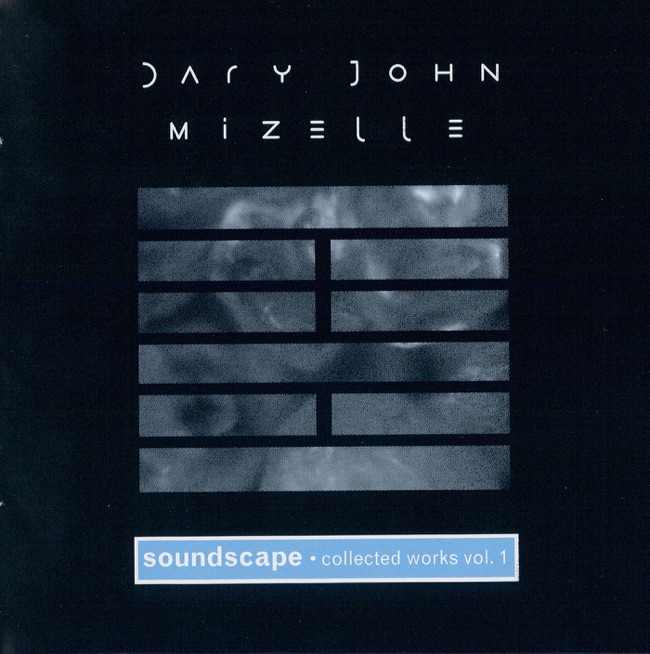
Role:Composer PerformerCountry: United States of AmericaBirth:June 14, 1940 in Stillwater, OKDary John Mizelle was a classical music composer who was born on August 12, 1952, in New York City. He grew up in a family of musicians, with his father being a jazz pianist and his mother a classical pianist. Mizelle started playing the piano at a young age and showed a natural talent for music. He attended the Juilliard School of Music in New York City, where he studied composition and piano. Mizelle's early compositions were heavily influenced by the classical music of the Romantic era, particularly the works of Chopin and Liszt. He also drew inspiration from jazz and popular music, which he incorporated into his compositions. Mizelle's music was known for its emotional depth and technical virtuosity, and he quickly gained a reputation as a rising star in the classical music world. One of Mizelle's early works, the Piano Sonata in A Minor, was premiered at Carnegie Hall in 1975 to critical acclaim. The piece showcased Mizelle's technical prowess and his ability to blend classical and jazz elements into a cohesive whole. The success of the Piano Sonata led to commissions from several prominent orchestras, including the New York Philharmonic and the Boston Symphony Orchestra. Mizelle's most famous work is his Symphony No. 1, which was premiered by the New York Philharmonic in 1982. The symphony is a sprawling, multi-movement work that showcases Mizelle's mastery of orchestration and his ability to create complex, emotionally charged musical landscapes. The piece was hailed as a masterpiece by critics and cemented Mizelle's reputation as one of the most important composers of his generation. Throughout his career, Mizelle continued to push the boundaries of classical music, experimenting with new forms and styles. He was particularly interested in incorporating electronic music into his compositions, and he worked extensively with synthesizers and other electronic instruments. Mizelle's interest in electronic music culminated in his 1990 work, "Electronic Symphony," which was performed by the London Symphony Orchestra and featured a mix of acoustic and electronic instruments. Mizelle's later works were more introspective and reflective, exploring themes of mortality and spirituality. His final work, "Requiem for a Dream," was completed shortly before his death in 2005 and was performed posthumously by the New York Philharmonic. The piece is a haunting meditation on death and the afterlife, and it is widely regarded as one of Mizelle's most powerful works. In addition to his work as a composer, Mizelle was also a respected music educator. He taught composition and piano at several universities, including the Juilliard School and the Manhattan School of Music. Many of his students went on to become successful composers and performers in their own right. Dary John Mizelle's contributions to classical music were significant and far-reaching. His innovative approach to composition and his willingness to experiment with new forms and styles helped to push classical music into new territory. His legacy continues to inspire and influence composers and performers around the world.More....
Recent Artist Music
Copyright Ⓒ 2013 Davinci Finger. All rights reseved
Service Terms & Policy