


Manoel Dias de Oliveira
Released Album
Choral
-
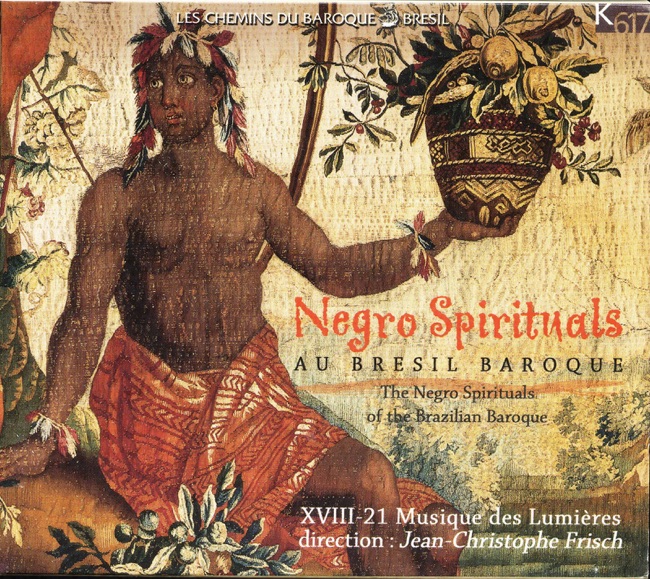 June 11, 2002
 -
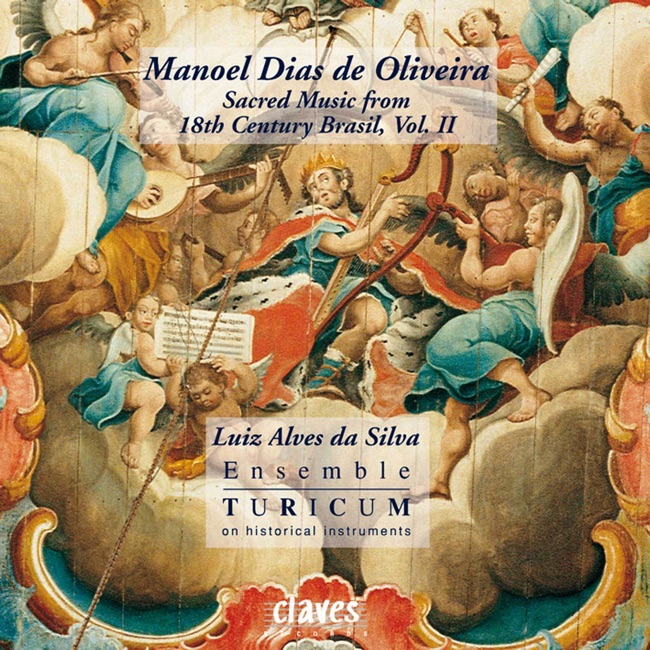 October 1, 1999
Artist Info
Role:ComposerCountry: BrazilBirth:ca. 1735 in Tiradentes, BrazilDeath:August 19, 1813 in Tiradentes, BrazilPeriod:ClassicalGenre:ChoralManoel Dias de Oliveira was a Brazilian classical music composer who was born on December 5, 1734, in Rio de Janeiro, Brazil. He was the son of a Portuguese father and a Brazilian mother. Oliveira's father was a musician, and he introduced his son to music at a young age. Oliveira showed a natural talent for music, and his father began to teach him how to play the violin. Oliveira's musical education continued when he was sent to study with the Jesuits at the Colégio dos Jesuítas in Rio de Janeiro. There, he learned to play the organ and the harpsichord. He also studied music theory and composition. Oliveira's talent was recognized by his teachers, and he was encouraged to pursue a career in music. In 1752, Oliveira moved to Lisbon, Portugal, to further his musical education. He studied with the renowned composer João de Sousa Carvalho and became a skilled composer in his own right. Oliveira's compositions were influenced by the Baroque style of music that was popular at the time. In 1763, Oliveira returned to Brazil and settled in Bahia, where he became the maestro di cappella of the Cathedral of Salvador. He held this position for over 30 years and was responsible for composing music for the church's liturgical services. Oliveira's compositions were well-received by the church and the public, and he became known as one of the most important composers in Brazil. Oliveira's compositions were varied and included sacred music, such as masses, motets, and hymns, as well as secular music, such as operas and symphonies. His most famous work is the opera "A Força do Amor e da Razão" (The Power of Love and Reason), which was first performed in 1789. The opera tells the story of a young couple who are in love but are separated by their families' feud. The couple's love eventually triumphs over the feud, and they are reunited. Oliveira's other notable works include the "Missa Pastoril para a Noite de Natal" (Pastoral Mass for Christmas Eve), which is a popular piece of Christmas music in Brazil, and the "Sinfonia em Ré Maior" (Symphony in D Major), which is one of the earliest symphonies composed in Brazil. Oliveira's compositions were characterized by their melodic beauty and their use of Brazilian folk music elements. He was one of the first composers to incorporate Brazilian rhythms and melodies into his music, and his works helped to establish a distinct Brazilian musical identity. Oliveira died on January 20, 1813, in Salvador, Brazil. He left behind a legacy of beautiful music that continues to be performed and appreciated today. His contributions to Brazilian music have earned him a place as one of the most important composers in the country's history.More....
Recent Artist Music
Copyright Ⓒ 2013 Davinci Finger. All rights reseved
Service Terms & Policy