


Nuremberg State Philharmonic Orchestra
Released Album
Symphony
-
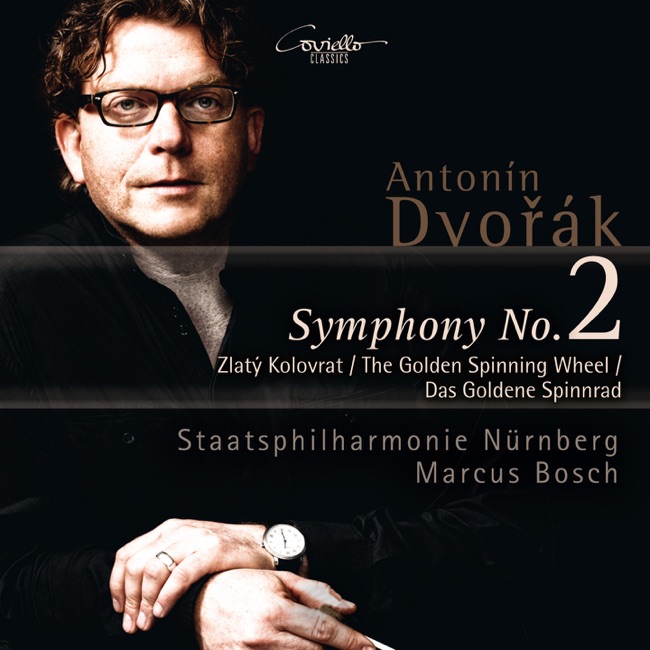 March 2, 2018
 -
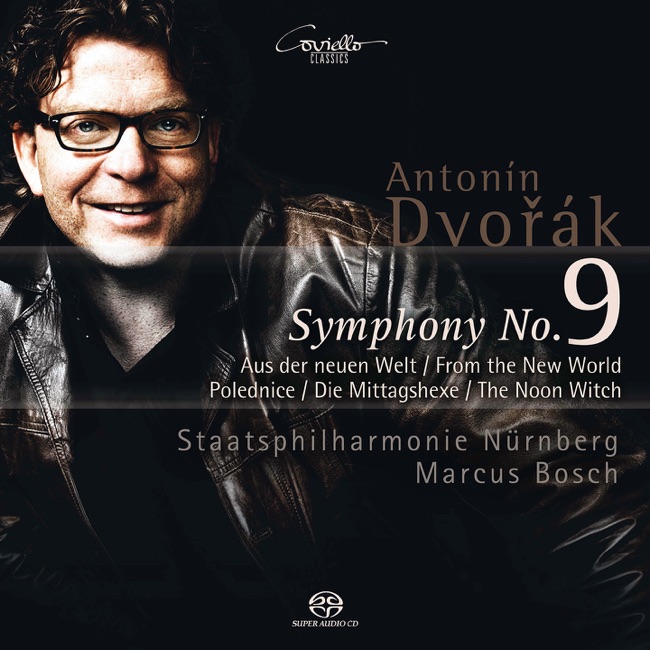 October 7, 2016
 -
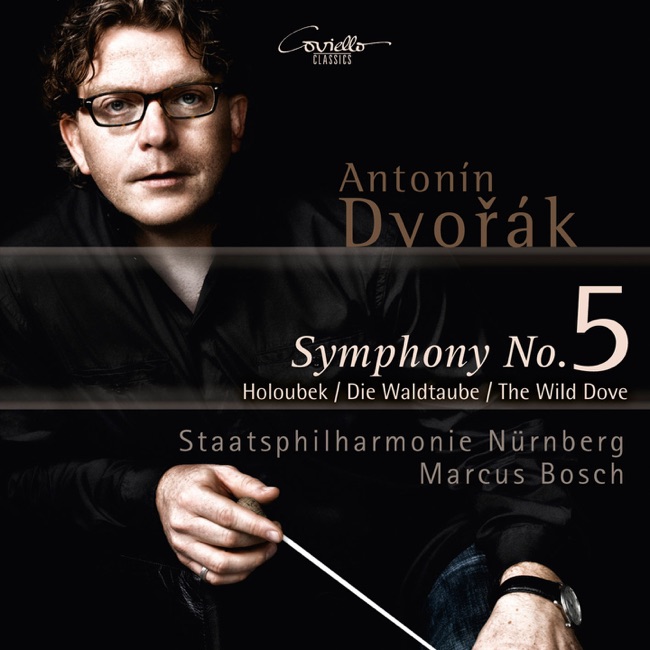 October 30, 2015
 -
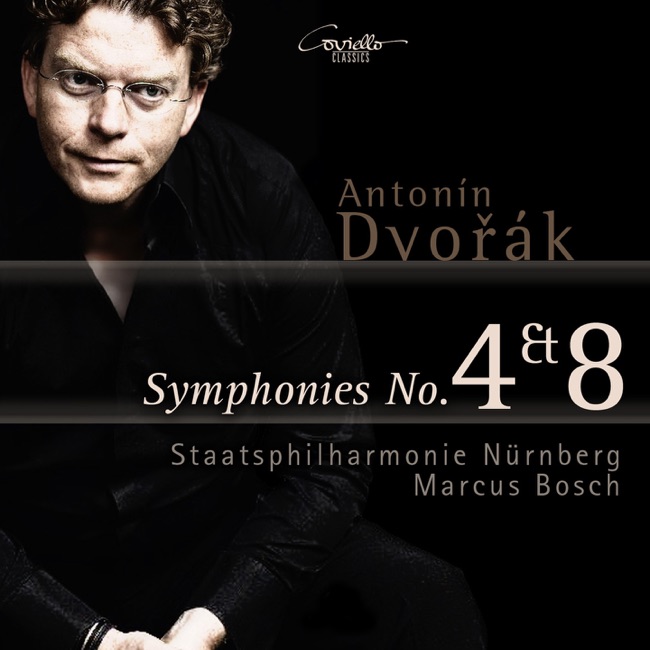 October 28, 2014
 -
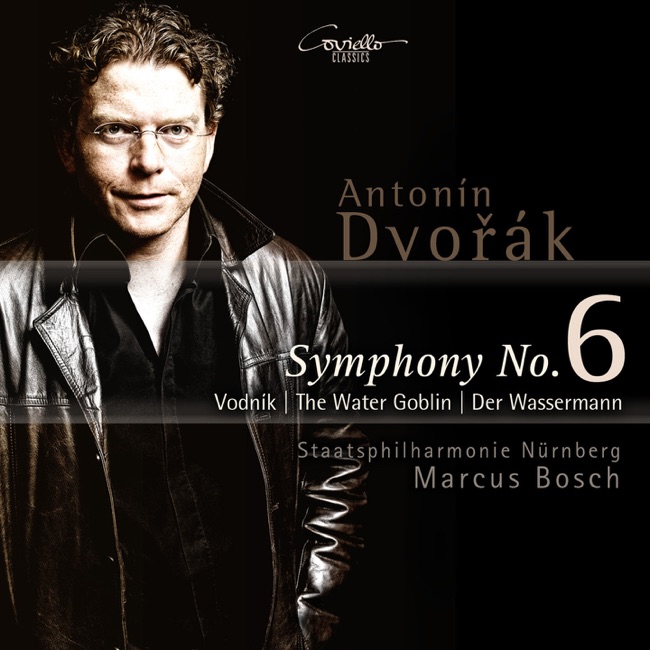 December 9, 2013
Artist Info
Role:EnsembleThe Nuremberg State Philharmonic Orchestra is a renowned classical music ensemble based in Nuremberg, Germany. The orchestra was founded in 1946, shortly after the end of World War II, and has since become one of the most respected orchestras in Europe. The orchestra was initially formed as the Nuremberg Symphony Orchestra, with the aim of providing cultural enrichment to the people of Nuremberg and the surrounding region. The orchestra's first conductor was Hermann Kutzschbach, who led the ensemble until 1951. Under Kutzschbach's leadership, the orchestra quickly gained a reputation for excellence, and began to attract some of the finest musicians in Germany. In 1951, the orchestra was renamed the Nuremberg State Philharmonic Orchestra, and began to perform regularly at the newly-built Meistersingerhalle concert hall in Nuremberg. The orchestra's new conductor was Hans Gierster, who led the ensemble until 1967. Under Gierster's leadership, the orchestra continued to grow in stature, and began to tour extensively throughout Europe and the United States. In 1967, the orchestra appointed its third conductor, Werner Andreas Albert. Albert was a highly-regarded conductor and musicologist, and under his leadership, the orchestra continued to flourish. Albert was particularly interested in contemporary music, and he introduced many new works by living composers to the orchestra's repertoire. He also established the orchestra's first recording label, CPO (Classic Produktion Osnabrück), which has since become one of the most respected classical music labels in the world. During Albert's tenure, the orchestra also began to collaborate with some of the world's leading soloists and conductors. In 1980, the orchestra performed with the legendary pianist Martha Argerich, and in 1983, it collaborated with the conductor Sir Georg Solti. The orchestra also began to tour extensively throughout Asia, performing in Japan, South Korea, and China. In 1990, the orchestra appointed its fourth conductor, Eiji Oue. Oue was a Japanese-American conductor who had previously led the Minnesota Orchestra, and he brought a new energy and dynamism to the Nuremberg State Philharmonic Orchestra. Under Oue's leadership, the orchestra continued to tour extensively, performing in Europe, Asia, and the United States. Oue also introduced many new works by living composers to the orchestra's repertoire, and he established a new recording label, Oehms Classics, which has since become one of the most respected classical music labels in Germany. One of the highlights of Oue's tenure was the orchestra's performance at the 2002 FIFA World Cup, which was held in South Korea and Japan. The orchestra performed at the opening ceremony of the tournament, and also gave a series of concerts throughout the tournament. The orchestra's performance at the World Cup was widely praised, and helped to raise the profile of classical music in Asia. In 2006, the orchestra appointed its fifth conductor, Alexander Shelley. Shelley was a young British conductor who had previously led the Royal Philharmonic Orchestra, and he brought a new sense of energy and enthusiasm to the Nuremberg State Philharmonic Orchestra. Under Shelley's leadership, the orchestra continued to tour extensively, performing in Europe, Asia, and the United States.More....
Recent Artist Music
2
12:35
3
The Wild Dove, B. 198, Op. 110
Marcia funebre | Allegro - Andante | Molto vivace | Andate | Andante
18:42
4
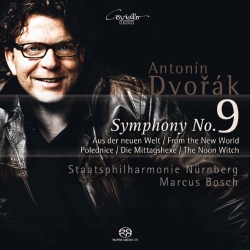
13:54
5
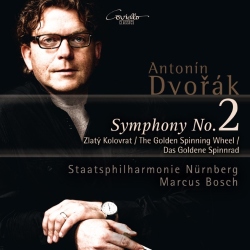
26:31

Copyright Ⓒ 2013 Davinci Finger. All rights reseved
Service Terms & Policy