


Stephen J. Albert
Released Album
Vocal
-
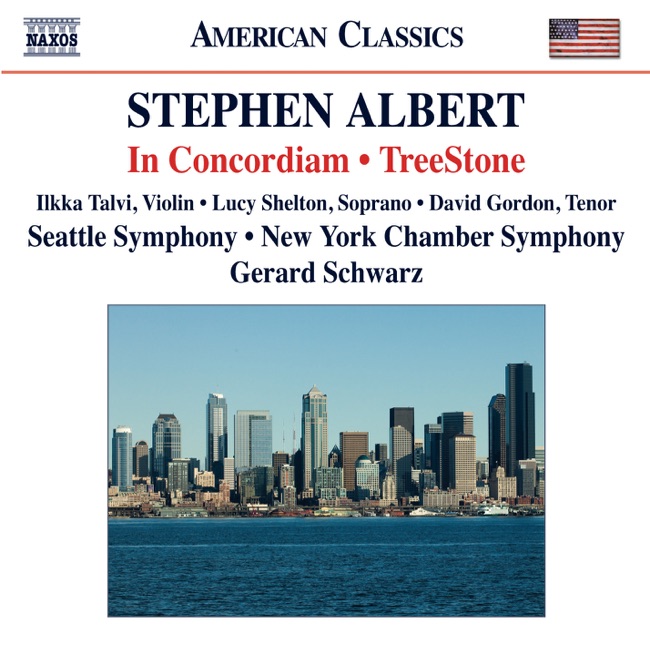 March 26, 2012
 -

-
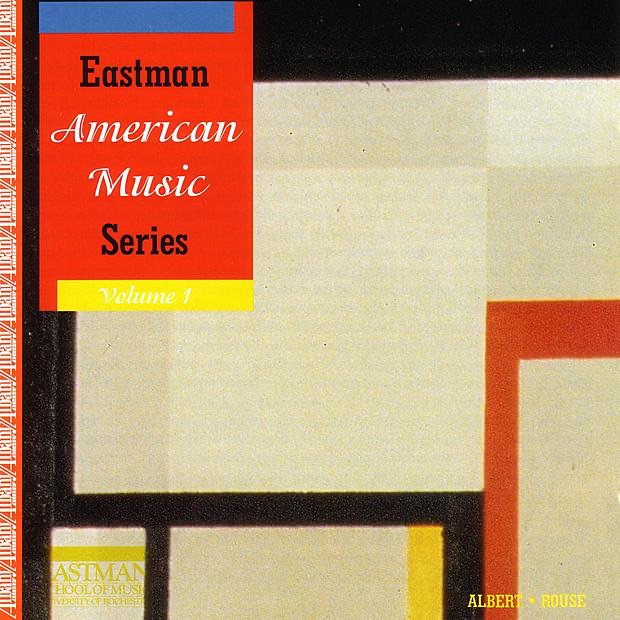 June 18, 1996
 -
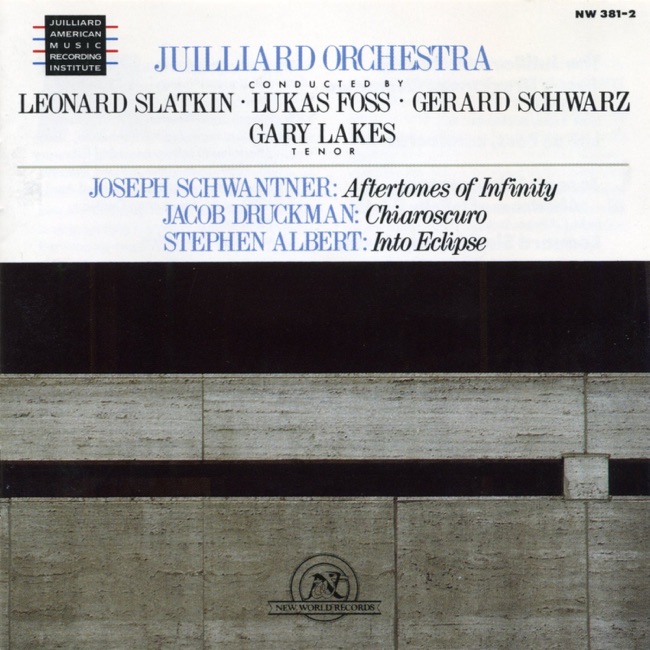 December 8, 1992
Concerto
-
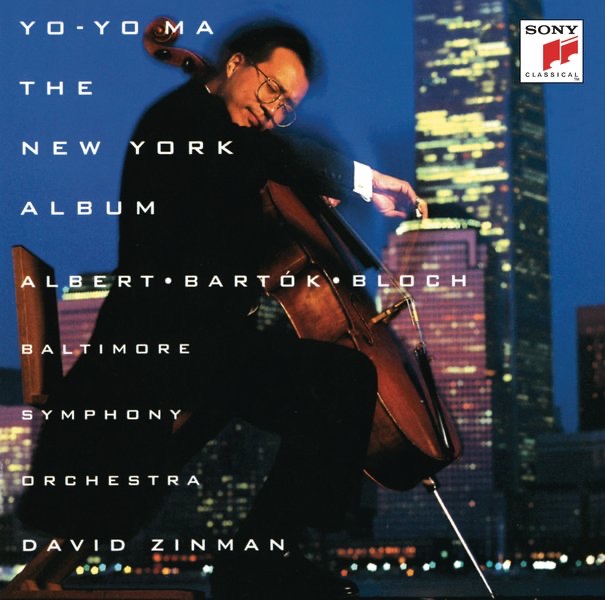 July 12, 2011
Symphony
-
 March 27, 2007
Artist Info
Role:Composer PerformerBirth:February 6, 1941 in New York City, NYDeath:December 27, 1992 in Truro, MAPeriod:ContemporaryGenre:ConcertoSymphonyVocalStephen J. Albert was an American composer who was born on February 6, 1949, in New York City. He grew up in a musical family, with his father being a jazz pianist and his mother a singer. Albert began playing the piano at a young age and later learned to play the trumpet and French horn. He attended the Eastman School of Music in Rochester, New York, where he studied composition with Samuel Adler and Warren Benson. After graduating from Eastman in 1971, Albert moved to Paris to study with the renowned composer Olivier Messiaen. He also studied with Franco Donatoni in Italy and with George Crumb at the University of Pennsylvania. Albert's early works were heavily influenced by Messiaen's use of color and harmony, as well as by the serial techniques of Donatoni and Crumb. Albert's breakthrough came in 1985 when he won the Pulitzer Prize for Music for his Symphony No. 1. The symphony, which was commissioned by the National Symphony Orchestra, is a powerful and dramatic work that showcases Albert's skill at orchestration and his ability to create complex textures and harmonies. The piece is divided into three movements, each of which explores a different mood and musical idea. In addition to his symphonies, Albert composed a number of chamber works, including String Quartet No. 2, which was commissioned by the Juilliard String Quartet and premiered in 1997. The quartet is a haunting and introspective work that showcases Albert's ability to create intricate and delicate textures. Another notable work by Albert is his Concerto for Violin and Orchestra, which was commissioned by the New York Philharmonic and premiered in 1994. The concerto is a virtuosic showcase for the solo violinist, with fast and intricate passages that require great technical skill. The piece also features lush and expressive melodies that showcase Albert's gift for melody. Throughout his career, Albert was known for his use of unconventional instruments and techniques. For example, his Symphony No. 2 features a prominent role for the didgeridoo, an Australian instrument that produces a deep and resonant drone. The symphony also features a large percussion section, including a marimba, vibraphone, and glockenspiel. Albert's music is often described as being both modern and accessible. While his works are complex and challenging, they are also deeply emotional and expressive. His use of color and texture creates a rich and immersive musical experience that draws the listener in and holds their attention. Sadly, Albert's career was cut short when he died in a car accident on December 27, 1992, at the age of 43. Despite his relatively short career, he left behind a significant body of work that continues to be performed and admired by musicians and audiences around the world. His legacy as a composer who pushed the boundaries of classical music and created works of great beauty and complexity is secure.More....
Recent Artist Music
2
17:15

6
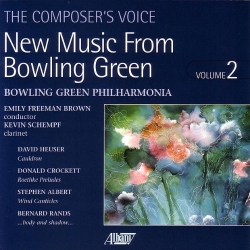
1:51

Copyright Ⓒ 2013 Davinci Finger. All rights reseved
Service Terms & Policy