


Frank Skinner / Hans J. Salter
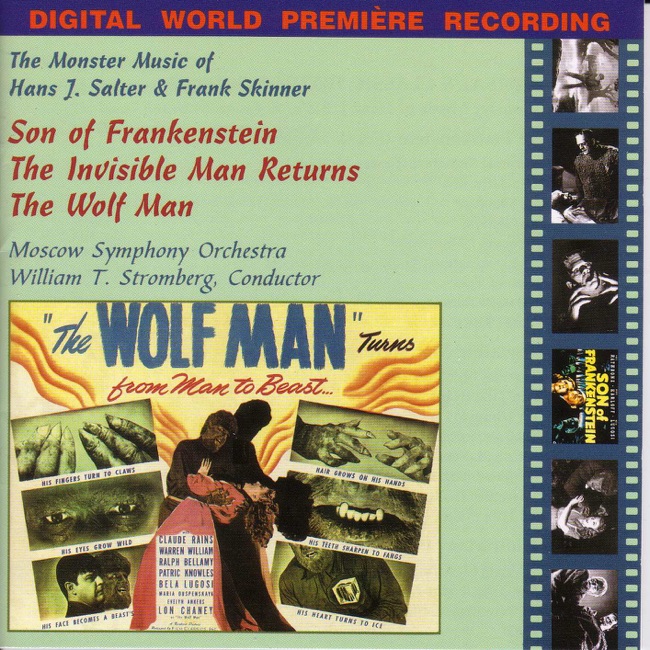
Artist Info
Role:ComposerFrank Skinner, also known as Hans J. Salter, was a prolific composer of classical music for film and television. Born on February 14, 1898, in Vienna, Austria, Skinner showed an early interest in music and began studying piano and composition at a young age. He later attended the Vienna Conservatory, where he studied under the renowned composer Franz Schreker. In 1924, Skinner moved to Berlin, where he began working as a composer for the German film industry. He quickly gained a reputation for his ability to create memorable and effective scores, and his music was soon in high demand. In 1933, Skinner fled Germany due to the rise of the Nazi party and moved to London, where he continued to work as a composer for film and television. Skinner's early work in London included scores for films such as "The Man Who Knew Too Much" (1934) and "The 39 Steps" (1935). He also composed music for the popular radio program "The Shadow," which aired in the United States. In 1937, Skinner moved to Hollywood, where he continued to work as a composer for film and television. One of Skinner's most notable works was his score for the 1941 film "The Wolf Man." The film, which starred Lon Chaney Jr. as a man who transforms into a werewolf, was a critical and commercial success, and Skinner's music played a significant role in creating the film's eerie and suspenseful atmosphere. The score featured a haunting main theme that has since become one of Skinner's most recognizable compositions. Skinner continued to work in Hollywood throughout the 1940s and 1950s, composing scores for films such as "The Invisible Man Returns" (1940), "The Ghost of Frankenstein" (1942), and "Abbott and Costello Meet Frankenstein" (1948). He also composed music for television shows such as "The Adventures of Superman" and "The Twilight Zone." In addition to his work in film and television, Skinner was also a prolific composer of concert music. He wrote several symphonies, as well as numerous chamber works and solo pieces. His music was often characterized by its lush harmonies and sweeping melodies, and he was known for his ability to create music that was both emotionally powerful and technically sophisticated. Skinner's later years were marked by a decline in his health, and he died on August 9, 1968, in Beverly Hills, California. Despite his relatively short life, Skinner left behind a rich legacy of music that continues to be celebrated and performed today. His contributions to the world of film and television music have had a lasting impact on the industry, and his concert music remains a testament to his skill as a composer.More....
Recent Artist Music
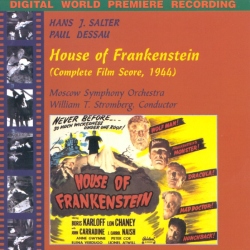
Copyright Ⓒ 2013 Davinci Finger. All rights reseved
Service Terms & Policy