


Émile Mathieu
Released Album
Vocal
-
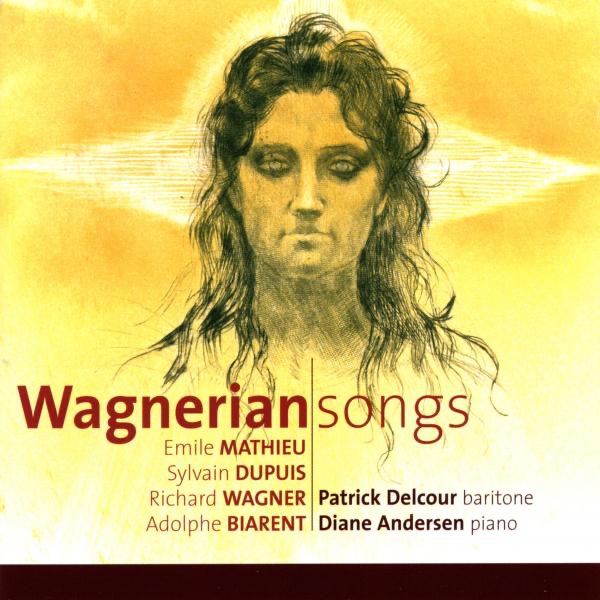 November 8, 2005
 -
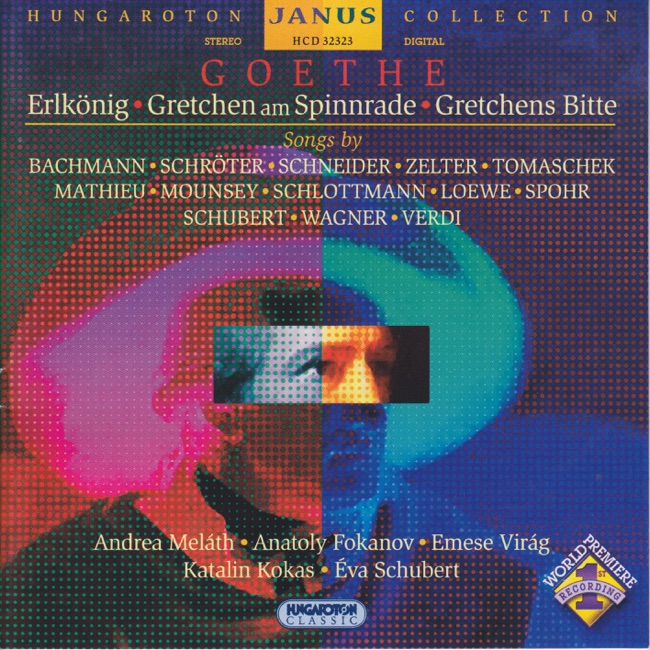 March 29, 2005
Artist Info
Role:ComposerCountry: BelgiumBirth:October 18, 1844 in Lille, FranceDeath:1932Émile Mathieu was a French composer and music educator who lived from 1835 to 1890. He was born in the town of Toulon, in the south of France, and showed an early aptitude for music. His father was a military bandmaster, and young Émile grew up surrounded by music. He began studying the piano at a young age, and later took up the violin and the organ. Mathieu's musical education was extensive. He studied at the Paris Conservatory, where he was a pupil of the composer Ambroise Thomas. He also studied with the famous violinist and composer Henri Vieuxtemps. Mathieu was a talented student, and he won several prizes and awards during his time at the Conservatory. After completing his studies, Mathieu embarked on a career as a composer and music educator. He taught at several institutions, including the Paris Conservatory, where he was a professor of harmony and counterpoint. He also served as the director of the music school in Toulon, where he had grown up. Mathieu's music is characterized by its lyricism and its adherence to traditional forms. He was a conservative composer, and he was not interested in the avant-garde movements that were emerging in the late 19th century. Instead, he focused on writing music that was beautiful and accessible to a wide audience. One of Mathieu's most famous works is his Symphony No. 1 in D major. This symphony was composed in 1868, and it is a prime example of Mathieu's style. The symphony is in four movements, and it features lush melodies and rich harmonies. The first movement is a lively allegro, while the second movement is a slow and contemplative adagio. The third movement is a scherzo, and the final movement is a triumphant allegro. Another notable work by Mathieu is his Piano Concerto No. 1 in E-flat major. This concerto was composed in 1874, and it is a virtuosic showcase for the soloist. The concerto is in three movements, and it features dazzling piano passages and lush orchestration. The first movement is a lively allegro, while the second movement is a lyrical adagio. The final movement is a rousing allegro vivace. In addition to his symphonies and concertos, Mathieu also wrote a number of chamber works. One of his most famous chamber works is his String Quartet No. 1 in G major. This quartet was composed in 1872, and it is a beautiful example of Mathieu's lyricism. The quartet is in four movements, and it features rich harmonies and beautiful melodies. Mathieu's music was well-received during his lifetime, and he was considered to be one of the leading composers of his generation. However, his music fell out of favor in the years following his death. It was not until the 20th century that his music began to be rediscovered and appreciated once again. Today, Mathieu's music is recognized for its beauty and its adherence to traditional forms. His music is often compared to that of other conservative composers of the 19th century, such as Brahms and Dvořák. However, Mathieu's music has a unique voice of its own, and it deserves to be heard and appreciated by a wider audience.More....
Recent Artist Music
Copyright Ⓒ 2013 Davinci Finger. All rights reseved
Service Terms & Policy