


Thorsten Enke
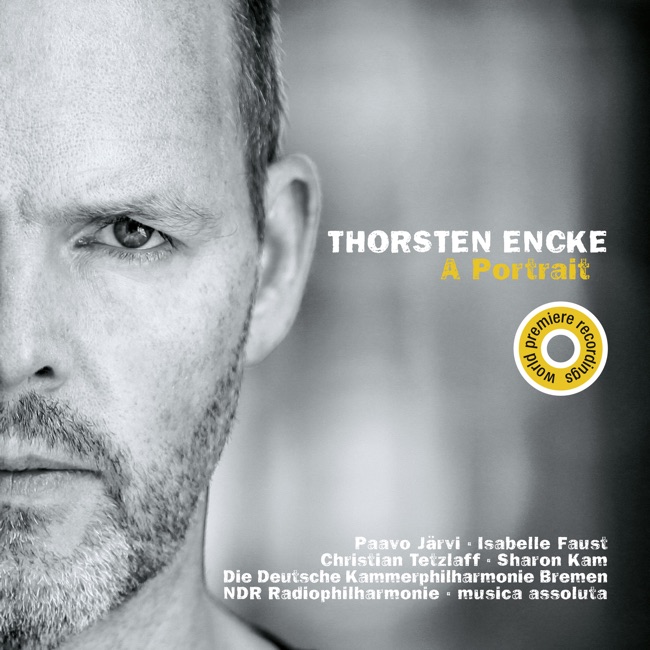
Artist Info
Role:ComposerThorsten Enke was a German composer and musician who was born on August 27, 1949, in Berlin, Germany. He was the son of a music teacher and grew up in a family that was passionate about music. Enke started playing the piano at a young age and showed a natural talent for music. He later learned to play the guitar and bass guitar, which became his primary instruments. Enke's interest in music led him to study music theory and composition at the Berlin University of the Arts. He was a talented student and quickly gained recognition for his work. Enke's compositions were influenced by a variety of musical styles, including classical, jazz, and rock. He was particularly interested in the fusion of different musical genres and often incorporated elements of rock and jazz into his classical compositions. Enke's early works were experimental and avant-garde, reflecting his interest in pushing the boundaries of traditional classical music. He was particularly interested in electronic music and was one of the pioneers of the Berlin School of electronic music. Enke's early compositions were characterized by their use of synthesizers, electronic effects, and unconventional instrumentation. Enke's breakthrough came in 1972 when he joined the progressive rock band, Ash Ra Tempel. Enke played bass guitar and synthesizers for the band and was a key contributor to their sound. He was particularly interested in the use of synthesizers and electronic effects, which became a hallmark of the band's music. Enke's work with Ash Ra Tempel helped to establish him as a leading figure in the German progressive rock scene. Enke's work with Ash Ra Tempel also led to collaborations with other musicians and artists. He worked with Klaus Schulze, a fellow member of the Berlin School of electronic music, on several albums, including "Timewind" and "Moondawn." Enke's work with Schulze was characterized by its use of synthesizers and electronic effects, which helped to establish the Berlin School as a distinct style of electronic music. Enke's solo work was also highly regarded and included several albums that showcased his unique blend of classical, rock, and electronic music. His most notable solo album was "Aurora," which was released in 1977. The album was a critical and commercial success and helped to establish Enke as a leading figure in the German music scene. Enke continued to work as a composer and musician throughout the 1980s and 1990s. He collaborated with a variety of musicians and artists, including Manuel Göttsching, Michael Hoenig, and Robert Schroeder. Enke's work during this period was characterized by its use of synthesizers and electronic effects, which continued to be a hallmark of his music. Enke's later works were more experimental and avant-garde, reflecting his continued interest in pushing the boundaries of traditional classical music. He was particularly interested in the use of computer-generated music and was one of the pioneers of computer music in Germany. Enke's later compositions were characterized by their use of complex rhythms, unconventional instrumentation, and electronic effects. Enke's contributions to the German music scene were significant and helped to establish him as one of the leading figures in the Berlin School of electronic music. His unique blend of classical, rock, and electronic music was highly influential and inspired a generation of musicians and composers.More....
Recent Artist Music
Copyright Ⓒ 2013 Davinci Finger. All rights reseved
Service Terms & Policy