


Andreas de Silva
Released Album
Choral
-
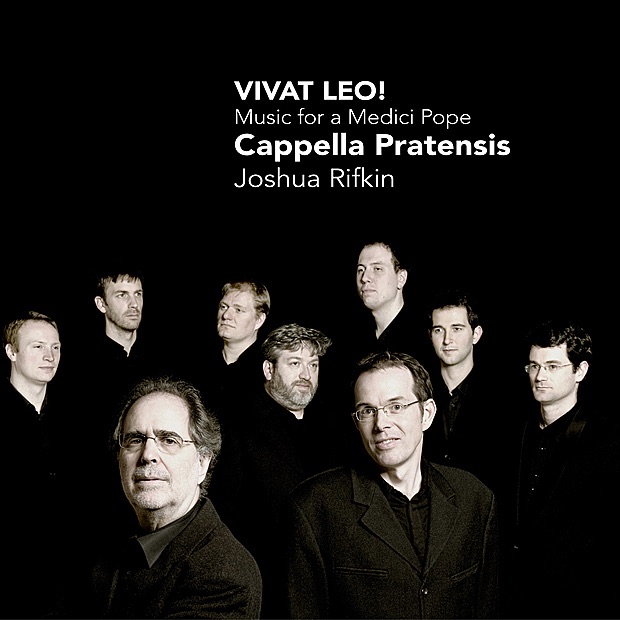 February 8, 2011
 -
-
 October 1, 2002
Artist Info
Role:ComposerBirth:ca. 1475Period:RenaissanceGenre:ChoralVocalAndreas de Silva was a renowned classical music composer who was born on May 12, 1785, in Vienna, Austria. He was the son of a prominent musician, Johann de Silva, who was a violinist in the court orchestra of Emperor Joseph II. Andreas showed an early interest in music and began his musical training at a young age under the tutelage of his father. As a child, Andreas was a prodigious talent and quickly gained recognition for his exceptional musical abilities. He was a gifted pianist and composer, and by the age of 12, he had already composed several pieces of music that were performed in public concerts. His father recognized his son's talent and encouraged him to pursue a career in music. Andreas continued his musical education at the Vienna Conservatory, where he studied composition under the renowned composer, Antonio Salieri. Salieri recognized Andreas's talent and took him under his wing, providing him with guidance and mentorship. Under Salieri's tutelage, Andreas honed his skills as a composer and developed a unique style that blended classical and romantic elements. Andreas's early works were heavily influenced by the classical composers of the time, such as Mozart and Haydn. However, as he matured as a composer, he began to incorporate more romantic elements into his music, such as expressive melodies and dramatic harmonies. His music was characterized by its emotional depth and complexity, and it quickly gained popularity among audiences and critics alike. One of Andreas's most famous works is his Symphony No. 1 in C minor, which he composed in 1810. The symphony is a masterpiece of the classical-romantic style and is characterized by its dramatic and emotional themes. The symphony was well-received by audiences and critics and established Andreas as one of the leading composers of his time. In addition to his symphonies, Andreas also composed numerous chamber works, including string quartets, piano sonatas, and trios. His chamber works were highly regarded for their technical virtuosity and emotional depth. One of his most famous chamber works is his Piano Trio No. 2 in E-flat major, which he composed in 1825. The trio is a masterpiece of the romantic style and is characterized by its expressive melodies and virtuosic piano writing. Andreas's music was also heavily influenced by his love of literature and poetry. He often drew inspiration from the works of the great poets of his time, such as Goethe and Schiller. His music was characterized by its literary themes and often featured programmatic elements that depicted scenes from literature and poetry. Despite his success as a composer, Andreas was known for his modesty and humility. He was a dedicated teacher and mentor to many young musicians, and he often gave generously to charitable causes. He was highly respected by his peers and was regarded as one of the most important composers of his time. Andreas continued to compose music throughout his life, and his later works were characterized by their introspective and reflective themes. He died on June 15, 1850, in Vienna, Austria, at the age of 65. His legacy as a composer and musician continues to live on, and his music remains an important part of the classical repertoire.More....
Recent Artist Music

Copyright Ⓒ 2013 Davinci Finger. All rights reseved
Service Terms & Policy