


Gail Kubik
Released Album
Miscellaneous

Chamber
-
 June 26, 2001
Artist Info
Role:Composer ConductorBirth:September 5, 1914 in South Coffeyville, OKDeath:July 20, 1984 in Covina, CAGenre:ChamberConcertoGail Kubik was an American composer of classical music, born on October 6, 1914, in South Coffeyville, Oklahoma. He was the son of a Baptist minister and grew up in a musical family. His mother was a pianist, and his father played the violin. Kubik began playing the piano at a young age and showed a natural talent for music. Kubik attended the University of Oklahoma, where he studied composition with the renowned composer and teacher, Howard Hanson. After completing his undergraduate degree, Kubik went on to study at the Eastman School of Music in Rochester, New York, where he earned his master's degree in composition. Kubik's early works were influenced by the American folk music tradition, and he often incorporated elements of folk music into his compositions. His first major work, "Symphony in One Movement," was premiered by the New York Philharmonic in 1945 and received critical acclaim. In 1947, Kubik was awarded the Pulitzer Prize for Music for his composition, "Symphony Concertante for Piano and Orchestra." The piece was commissioned by the National Symphony Orchestra and featured the pianist, William Kapell. The work is considered one of Kubik's most significant compositions and is still performed today. Throughout his career, Kubik composed music for a variety of ensembles, including orchestras, chamber groups, and solo instruments. He was also a prolific composer of choral music and wrote several works for choir, including "The Promised Land," which was commissioned by the Mormon Tabernacle Choir. Kubik's music was often characterized by its use of traditional forms and structures, such as sonata form and fugue. He was also known for his use of dissonance and complex harmonies, which gave his music a modernist edge. In addition to his work as a composer, Kubik was also a respected teacher of music composition. He taught at several universities, including the University of North Texas and the University of Utah. Many of his students went on to become successful composers in their own right. Kubik's later works were influenced by his interest in Native American culture and spirituality. He wrote several pieces that incorporated Native American themes and melodies, including "The Four Directions," which was commissioned by the Oklahoma Symphony Orchestra. Kubik died on September 6, 1984, in Salt Lake City, Utah. His legacy as a composer and teacher of music composition continues to be celebrated today. His music is still performed by orchestras and ensembles around the world, and his influence on the development of American classical music is widely recognized.More....
Recent Artist Music
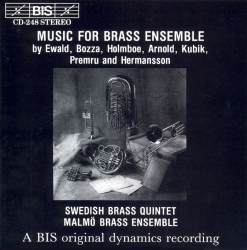

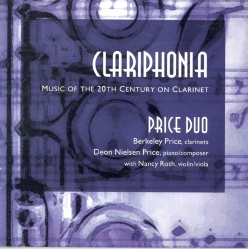
Copyright Ⓒ 2013 Davinci Finger. All rights reseved
Service Terms & Policy