


Gasparo Visconti
Released Album
Chamber
-
 October 2, 2020
 -
 November 18, 2016
 -
 February 12, 2016
 -
 February 8, 2011
Concerto
-
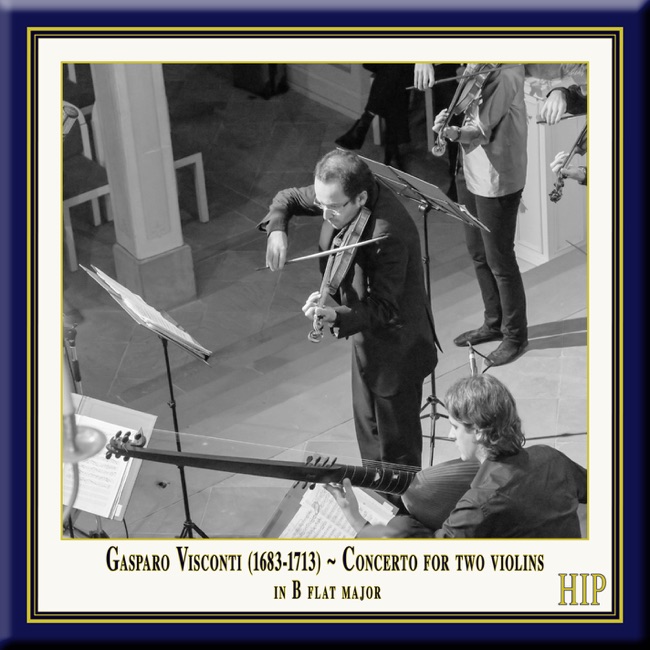 November 5, 2013
 -
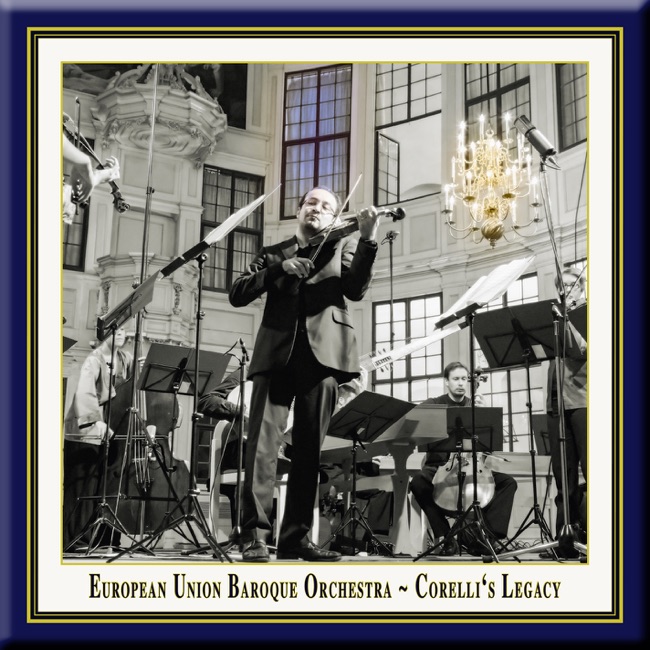
Artist Info
Role:ComposerBirth:1683 in Cremona, ItalyDeath:1713Period:BaroqueGasparo Visconti was a prominent Italian composer of the late Renaissance period. He was born in Cremona, Italy, in 1683, and was the son of a wealthy merchant. Visconti showed an early interest in music and began his musical education at a young age. Visconti's musical education began with his father, who was a skilled amateur musician. He then studied with the renowned composer and music theorist Giovanni Battista Doni in Rome. Doni was a significant influence on Visconti's musical style, and he taught him the principles of counterpoint and harmony. Visconti's early compositions were primarily vocal works, including motets and madrigals. His first published work was a collection of madrigals, which he published in 1602. The collection was well-received, and it established Visconti as a promising young composer. In 1603, Visconti was appointed as the maestro di cappella at the Cathedral of Cremona. This was a significant honor for a young composer, and it allowed him to develop his skills as a composer and conductor. During his time at the cathedral, Visconti composed a significant amount of sacred music, including masses, motets, and hymns. Visconti's music was highly regarded during his lifetime, and he was often commissioned to compose music for important events and ceremonies. One of his most significant commissions was to compose music for the coronation of King Henry IV of France in 1604. Visconti's music was performed at the coronation ceremony, and it was praised for its beauty and elegance. Visconti's music was characterized by its use of rich harmonies and complex counterpoint. He was particularly skilled at writing for the human voice, and his vocal works are considered some of the finest of the Renaissance period. Visconti's music was also notable for its use of chromaticism, which was a relatively new technique at the time. Visconti's most famous work is his collection of madrigals, which he published in 1602. The collection includes some of his most beautiful and expressive music, and it is still performed and recorded today. Other notable works by Visconti include his masses, which are considered some of the finest of the Renaissance period, and his motets, which are characterized by their intricate polyphony and rich harmonies. Visconti's influence on the development of music during the Renaissance period cannot be overstated. His use of chromaticism and complex counterpoint was highly influential, and his music was widely admired and imitated by other composers of the time. Visconti's legacy continues to this day, and his music remains an important part of the classical music canon.More....
Recent Artist Music
1
3:57
3

3:3
4
2:2
5
3:57
6
2:37
Copyright Ⓒ 2013 Davinci Finger. All rights reseved
Service Terms & Policy