


Hajime Koumatsu

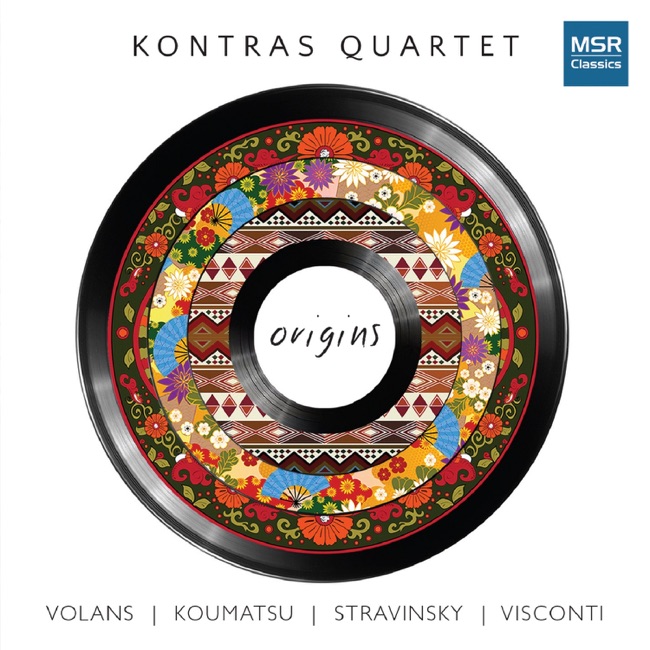
Artist Info
Role:ComposerHajime Koumatsu was a Japanese composer of classical music who was born on December 25, 1948, in Tokyo, Japan. He was the youngest of three children and grew up in a family that was passionate about music. His father was a music teacher, and his mother was a pianist. From a young age, Koumatsu showed a keen interest in music and began playing the piano at the age of four. Koumatsu's parents recognized his talent and encouraged him to pursue a career in music. He began studying music theory and composition at the Tokyo National University of Fine Arts and Music, where he was mentored by renowned composers such as Akio Yashiro and Tomojiro Ikenouchi. Koumatsu's early works were heavily influenced by the Western classical music tradition, particularly the works of Beethoven, Mozart, and Bach. In 1972, Koumatsu graduated from the Tokyo National University of Fine Arts and Music with a degree in composition. He then went on to study at the Hochschule für Musik und Theater Hamburg in Germany, where he was exposed to a wider range of musical styles and techniques. During his time in Germany, Koumatsu developed a deep appreciation for the works of contemporary composers such as Karlheinz Stockhausen and Pierre Boulez. Koumatsu's early works were characterized by their use of traditional Western classical music forms, such as sonatas and symphonies. However, as he continued to develop as a composer, he began to experiment with more avant-garde techniques, such as serialism and aleatoric music. His works from this period, such as "Symphony No. 2" and "Piano Sonata No. 3," were marked by their complex harmonies and intricate rhythms. In the 1980s, Koumatsu's music began to take on a more Japanese flavor. He began incorporating elements of traditional Japanese music, such as the koto and shakuhachi, into his compositions. This fusion of Western and Japanese musical styles can be heard in works such as "Koto Concerto" and "Shakuhachi Concerto." One of Koumatsu's most famous works is his "Symphony No. 3," which was commissioned by the NHK Symphony Orchestra in 1990. The symphony is a tribute to the victims of the Great Hanshin earthquake, which struck Kobe, Japan, in 1995. The work is characterized by its haunting melodies and somber tone, which reflect the tragedy of the earthquake. Koumatsu's later works were marked by a return to more traditional Western classical music forms, such as the string quartet and the piano trio. However, he continued to incorporate elements of Japanese music into his compositions, creating a unique and distinctive style that was all his own. Throughout his career, Koumatsu received numerous awards and accolades for his contributions to the world of classical music. In 1998, he was awarded the Japan Art Academy Prize, one of the highest honors in the Japanese arts world. He was also a recipient of the Suntory Music Award, the Otaka Prize, and the Japan Music Pen Club Prize. Sadly, Koumatsu's life was cut short when he passed away on January 16, 2007, at the age of 58. However, his legacy lives on through his music, which continues to be performed and celebrated by musicians and music lovers around the world. Hajime Koumatsu was a true master of his craft, and his contributions to the world of classical music will be remembered for generations to come.More....
Recent Artist Music

Copyright Ⓒ 2013 Davinci Finger. All rights reseved
Service Terms & Policy