


Erhard Bodenschatz
Artist Info
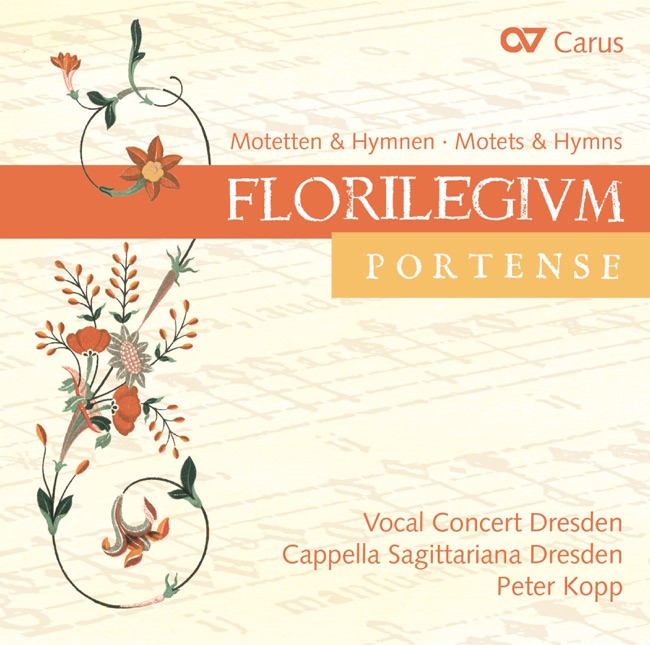
Role:ComposerErhard Bodenschatz was a German composer and musicologist who lived during the Baroque period. He was born in 1576 in Nuremberg, Germany, and was the son of a prominent merchant. Bodenschatz showed an early interest in music and began his musical education at a young age. Bodenschatz's musical education began with his father, who was a skilled amateur musician. He then studied with the renowned composer and music theorist Johann Staden in Nuremberg. Staden was a major influence on Bodenschatz's musical style and helped him develop his skills as a composer. In 1603, Bodenschatz was appointed as the music director at the Church of St. Afra in Augsburg, Germany. This was a prestigious position, and it allowed Bodenschatz to showcase his talents as a composer and conductor. He remained in this position for the rest of his life, and during his tenure, he composed a significant amount of music for the church. Bodenschatz's most significant contribution to music was his collection of sacred music, titled "Florilegium Portense." This collection was published in 1618 and contained over 1,200 pieces of music, including hymns, motets, and psalms. The collection was widely popular and was used in churches throughout Germany and other parts of Europe. One of the highlights of "Florilegium Portense" is the hymn "In dulci jubilo." This hymn is still widely performed today and has become one of the most beloved Christmas carols of all time. Bodenschatz's arrangement of the hymn is known for its intricate harmonies and beautiful melodies. Another notable work by Bodenschatz is his collection of German folk songs, titled "Auserlesene teutsche Lieder." This collection was published in 1621 and contained over 600 songs. The collection was significant because it was one of the first attempts to preserve German folk music in written form. Bodenschatz was also a skilled musicologist and wrote several treatises on music theory and composition. His most significant work in this area was "Musica Poetica," which was published in 1618. This treatise was a comprehensive guide to music theory and composition and was widely used by musicians and composers throughout Europe. Bodenschatz's music was highly regarded during his lifetime, and he was considered one of the most important composers of his time. His music was known for its intricate harmonies, beautiful melodies, and innovative use of counterpoint. He was also known for his ability to blend traditional German music with the new styles of the Baroque period. Despite his significant contributions to music, Bodenschatz's music fell out of favor in the centuries following his death. It was not until the 20th century that his music began to be rediscovered and appreciated once again. Today, his music is widely performed and recorded, and he is recognized as one of the most important composers of the Baroque period. In conclusion, Erhard Bodenschatz was a highly skilled composer and musicologist who made significant contributions to the world of music. His collection of sacred music, "Florilegium Portense," and his collection of German folk songs, "Auserlesene teutsche Lieder," are still widely performed and appreciated today. His music was known for its intricate harmonies, beautiful melodies, and innovative use of counterpoint. Despite falling out of favor for many years, Bodenschatz's music has been rediscovered and is now recognized as some of the most important music of the Baroque period.More....
Recent Artist Music
2
2:29
5
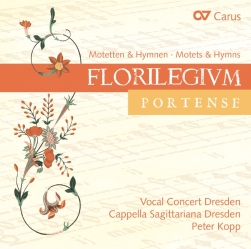
Quam pulchra es amica mea (Florilegium selectissimarum cantionum, No. 59)
Quam pulchra es amica mea, à 5 (Nr. 59)
3:18
Copyright Ⓒ 2013 Davinci Finger. All rights reseved
Service Terms & Policy