


Tzvi Avni
Released Album
Keyboard
-

-
 January 3, 2020
 -
 February 11, 2014
 -
 December 18, 2012
 -
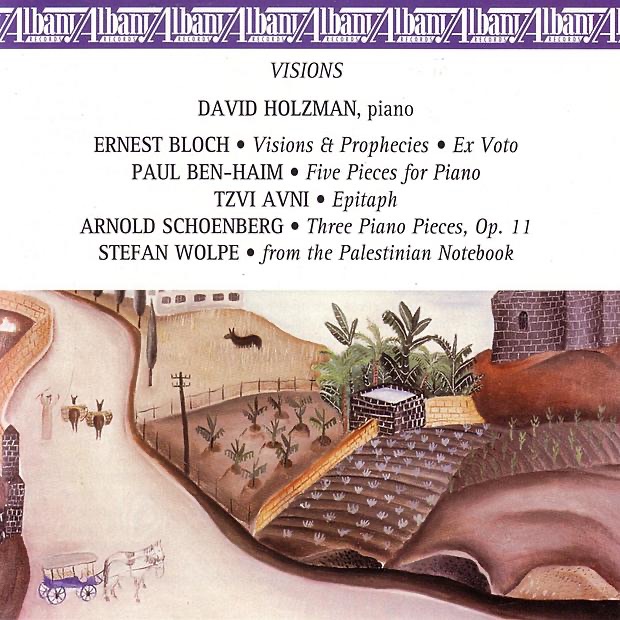 May 26, 1998
Choral
-
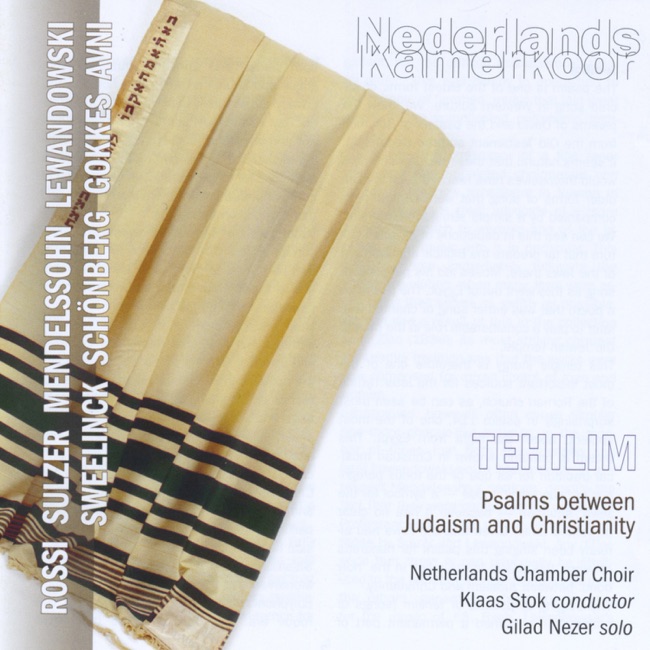 February 20, 2012
Chamber
-
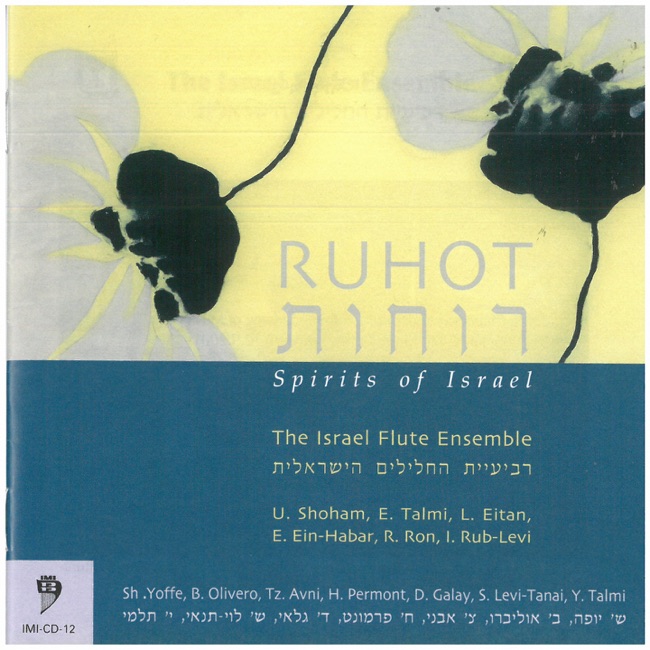 August 12, 2014
 -
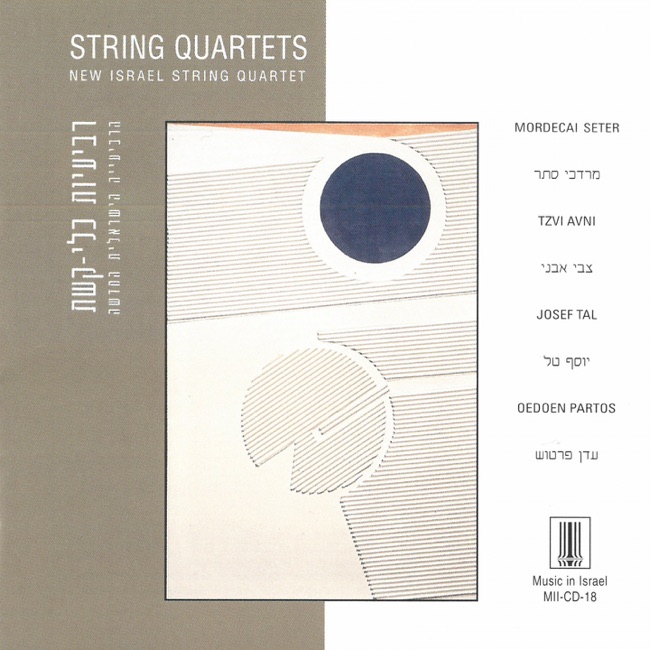 June 10, 2014
Artist Info
Role:ComposerBirth:September 2, 1927Period:ContemporaryGenre:Avant-GardeKeyboardVocalTzvi Avni was a prominent Israeli composer of classical music, known for his unique style that blended traditional Jewish music with contemporary Western classical music. Born on April 13, 1927, in Saarbrücken, Germany, Avni's family moved to Palestine in 1935, where he grew up and received his early musical education. Avni's interest in music began at a young age, and he started playing the piano and composing music as a teenager. He studied composition with Paul Ben-Haim, one of Israel's leading composers, and later with Luigi Dallapiccola in Italy. Avni also studied musicology at the Hebrew University of Jerusalem and received a Ph.D. in musicology from the University of California, Los Angeles. Avni's music is characterized by its unique blend of Jewish and Western musical traditions. He drew inspiration from Jewish liturgical music, folk music, and biblical texts, as well as from contemporary Western classical music. His compositions often feature complex harmonies, intricate rhythms, and unconventional forms, reflecting his interest in avant-garde music. One of Avni's early works, "Three Songs for Soprano and Piano," was composed in 1951 and reflects his interest in Jewish folk music. The songs are based on traditional Jewish melodies and feature intricate piano accompaniments that highlight Avni's skill as a pianist. The work was well-received and helped establish Avni as a promising young composer. In the 1960s, Avni began to experiment with electronic music, creating works that combined traditional instruments with electronic sounds. One of his most famous works from this period is "Electronic Music for the Dead Sea Scrolls," which was composed in 1967. The work features recordings of the Dead Sea Scrolls, which are played back at different speeds and manipulated electronically to create a haunting and otherworldly sound. Avni's interest in Jewish liturgical music is evident in many of his works, including his "Symphony No. 1," which was composed in 1970. The symphony is based on the Jewish prayer service and features a large orchestra and choir. The work is divided into three movements, each of which corresponds to a different part of the prayer service. The symphony is a powerful and moving work that reflects Avni's deep connection to Jewish tradition. In the 1980s, Avni began to incorporate elements of Middle Eastern music into his compositions, reflecting his interest in the music of his native region. One of his most famous works from this period is "The Song of Songs," which was composed in 1984. The work is based on the biblical book of the same name and features a large orchestra and choir. The music is lush and evocative, with elements of both Western and Middle Eastern music. Avni continued to compose music well into his later years, and his works were performed by orchestras and ensembles around the world. He received numerous awards and honors for his contributions to music, including the Israel Prize in 1995, Israel's highest honor for achievement in the arts and sciences. Tzvi Avni passed away on February 23, 2019, at the age of 91. His legacy as a composer of classical music continues to inspire and influence musicians around the world, and his unique blend of Jewish and Western musical traditions remains a testament to his creativity and vision.More....
Recent Artist Music






Copyright Ⓒ 2013 Davinci Finger. All rights reseved
Service Terms & Policy