


Elsa Barraine
Released Album
Keyboard
-
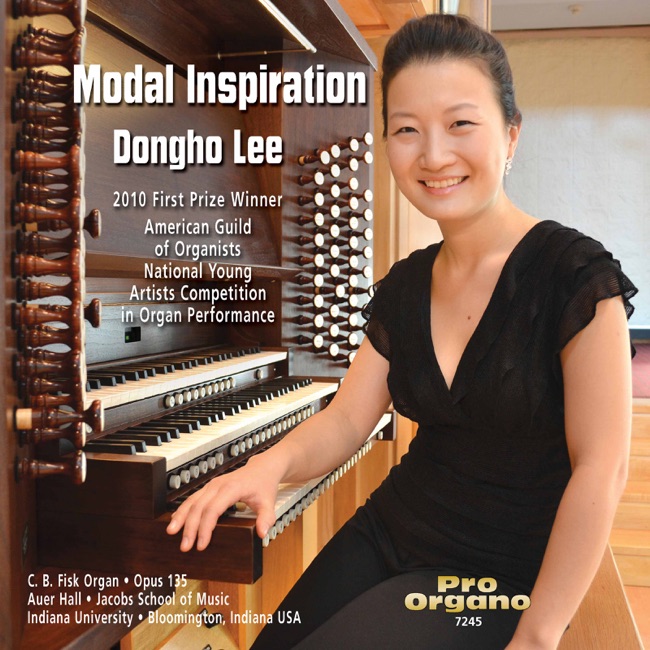 October 11, 2011
 -
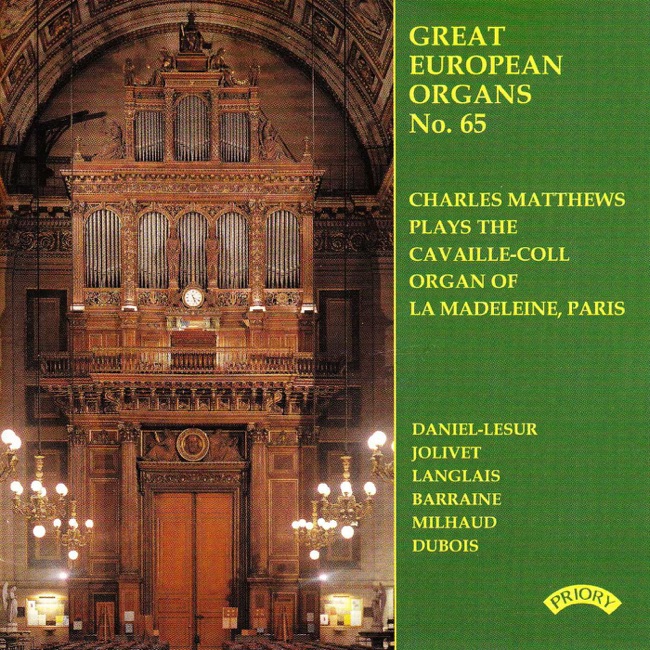 November 26, 2002
Chamber
-
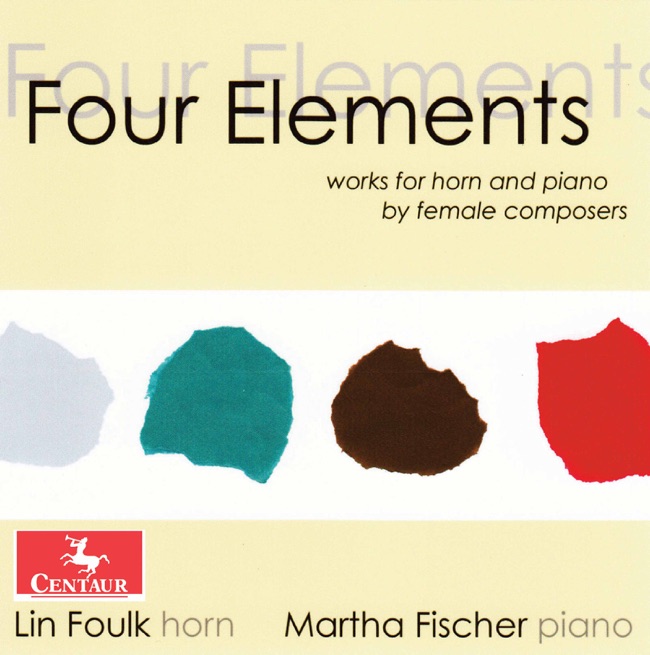 April 16, 2021
Artist Info
Role:ComposerCountry: FranceBirth:February 13, 1910 in Paris, FranceDeath:March 20, 1999Period:ModernGenre:KeyboardElsa Barraine was a French composer born on February 13, 1910, in Paris. She was the daughter of a music teacher and a painter, and her family was supportive of her musical interests from a young age. Barraine began studying piano and composition at the Paris Conservatory at the age of 14, where she was a student of Nadia Boulanger, one of the most influential music teachers of the 20th century. Barraine's early compositions were heavily influenced by the neoclassical style of composers like Stravinsky and Hindemith, but she soon developed her own unique voice. Her music was characterized by its rhythmic complexity, use of dissonance, and incorporation of folk melodies and dance rhythms. She was also interested in exploring the possibilities of electronic music, and in the 1950s she began experimenting with musique concrète, a form of electronic music that uses recorded sounds as its raw material. Barraine's career as a composer was interrupted by World War II, during which she served as a nurse in the French Resistance. After the war, she returned to composing and became one of the leading figures in the French avant-garde. She was a member of the group La Spirale, which included other prominent composers such as Olivier Messiaen and André Jolivet. Barraine's most famous work is her Symphony No. 2, which was premiered in 1947 and won the Prix de Rome the following year. The symphony is a powerful and dramatic work that showcases Barraine's skill as an orchestrator and her ability to create complex and compelling musical structures. It is divided into four movements, each of which explores a different mood and musical idea. The first movement is a lively and rhythmic scherzo, while the second is a slow and mournful adagio. The third movement is a lively and playful scherzo, and the final movement is a triumphant and energetic finale. In addition to her symphonies, Barraine composed a wide variety of other works, including chamber music, vocal music, and electronic music. Some of her other notable works include her Piano Sonata, her String Quartet No. 1, and her electronic work Étude de sonorité. Despite her significant contributions to the world of classical music, Barraine's music has been largely overlooked in the years since her death. This is partly due to the fact that she was a woman composer in a male-dominated field, and also because her music was often overshadowed by the more famous composers of her time. However, in recent years there has been a renewed interest in Barraine's music, and her works are now being performed and recorded more frequently. Elsa Barraine died on March 20, 1999, in Paris. She left behind a legacy of innovative and powerful music that continues to inspire and captivate audiences today.More....
Recent Artist Music
Copyright Ⓒ 2013 Davinci Finger. All rights reseved
Service Terms & Policy