


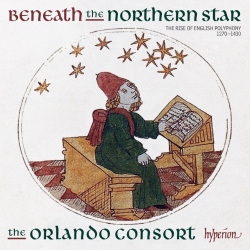
Worcester Fragments Anonymous
Released Album
Choral
-
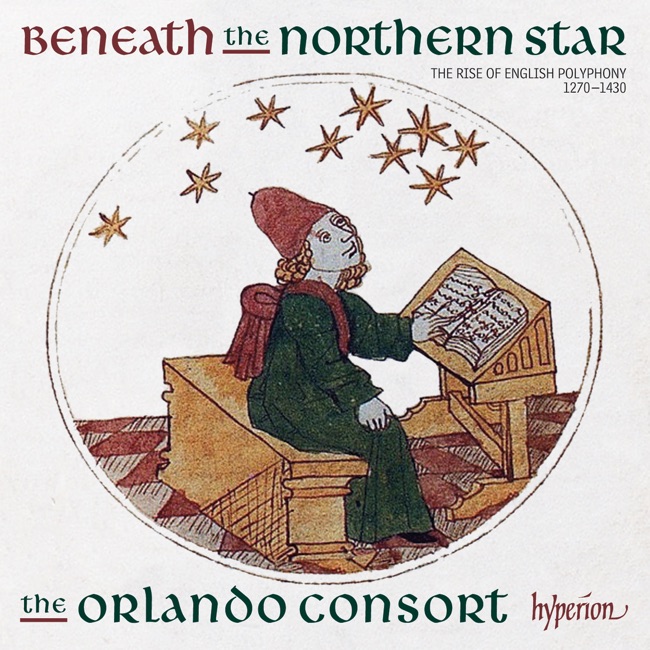
-
 April 13, 2010
Artist Info
Role:ComposerCountry: United KingdomBirth:1235 in Worcester, EnglandDeath:1330 in Worcester, EnglandGenre:ChoralVocalWorcester Fragments Anonymous is a classical music composer whose identity remains unknown to this day. The composer is believed to have lived in the 16th century in Worcester, England. Despite the lack of information about the composer's life, the music that has been attributed to Worcester Fragments Anonymous has left a lasting impact on the world of classical music. The birth and growth of Worcester Fragments Anonymous as a musician is shrouded in mystery. It is not known whether the composer received formal musical training or was self-taught. However, the music that has been attributed to the composer suggests a deep understanding of music theory and composition. The works of Worcester Fragments Anonymous are characterized by their intricate harmonies and complex counterpoint. The composer's music is often described as being ahead of its time, with elements of the Baroque and Classical periods present in the music despite being composed in the 16th century. One of the highlights of Worcester Fragments Anonymous' composed works is the "Worcester Fragments." This collection of music was discovered in the Worcester Cathedral Library in the early 20th century. The fragments consist of 11 pieces of music, including a Kyrie, Gloria, Credo, Sanctus, and Agnus Dei. The music is believed to have been composed for a Mass, although the exact circumstances of its composition and performance remain unknown. The "Worcester Fragments" are notable for their use of polyphony, a technique in which multiple voices sing different melodies simultaneously. The music is also characterized by its use of dissonance, which creates a sense of tension and release in the music. The "Worcester Fragments" have been performed and recorded by numerous choirs and ensembles, cementing their place in the canon of classical music. Another notable work attributed to Worcester Fragments Anonymous is the "Magnificat." This piece of music is a setting of the Magnificat, a hymn of praise to the Virgin Mary. The "Magnificat" is notable for its use of antiphonal singing, in which two choirs sing back and forth to each other. The music is also characterized by its use of imitation, in which one voice sings a melody and is then imitated by another voice. The "Magnificat" is believed to have been composed for a special occasion, although the exact circumstances of its composition and performance remain unknown. The music has been performed and recorded by numerous choirs and ensembles, and is considered to be one of the composer's most significant works. Despite the lack of information about the composer's life, the music of Worcester Fragments Anonymous has left a lasting impact on the world of classical music. The composer's use of polyphony, dissonance, and imitation has influenced countless composers throughout the centuries. The "Worcester Fragments" and the "Magnificat" remain popular works in the classical music repertoire, and continue to be performed and recorded by choirs and ensembles around the world. In conclusion, Worcester Fragments Anonymous is a mysterious figure in the world of classical music whose identity remains unknown. Despite the lack of information about the composer's life, the music that has been attributed to Worcester Fragments Anonymous has left a lasting impact on the world of classical music. The "Worcester Fragments" and the "Magnificat" are notable works that showcase the composer's use of polyphony, dissonance, and imitation.More....

Copyright Ⓒ 2013 Davinci Finger. All rights reseved
Service Terms & Policy