


Hans Gál
Released Album
Chamber
-
-
 February 10, 2023
 -
 July 1, 2022
 -
 July 16, 2021
 -
-
 November 1, 2019
Keyboard
-
-
-
 June 9, 2017
 -
 June 9, 2015
 -
 January 1, 2014
 -
 June 18, 2012
Vocal
-
 July 6, 2018
 -
 October 11, 2011
 -
 January 1, 1992
Concerto
-
 October 6, 2023
 -
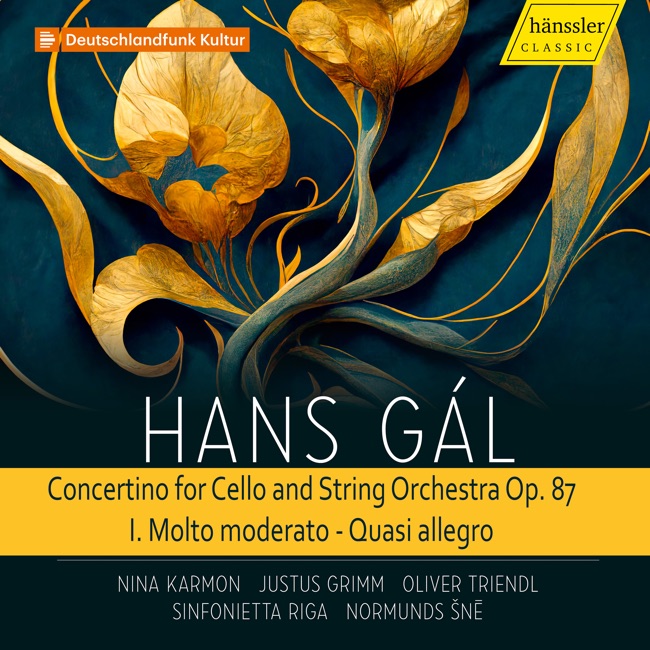
-
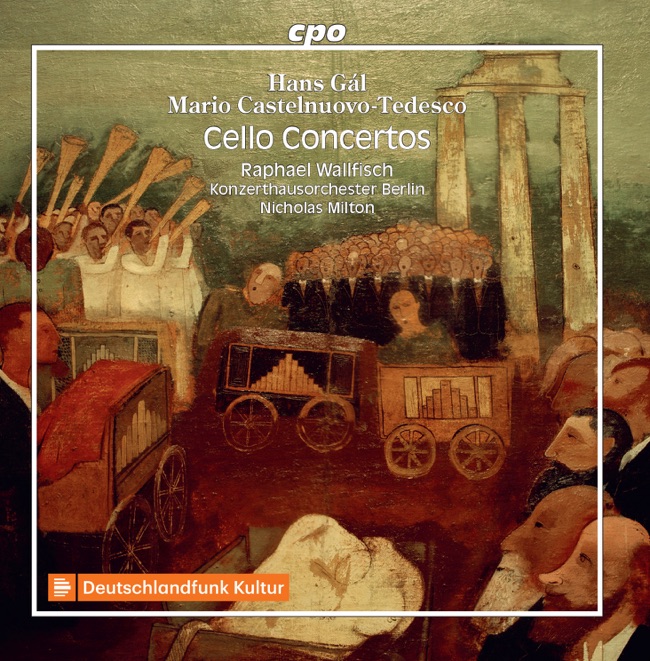 November 3, 2017
 -
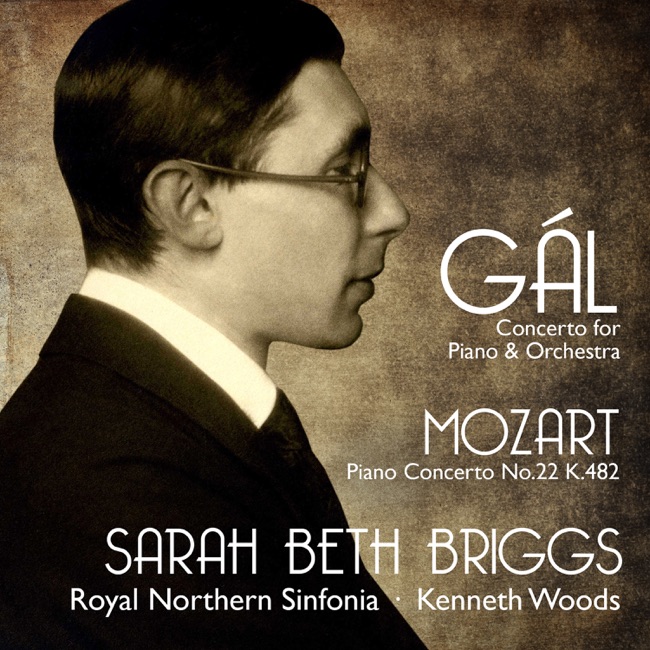
-
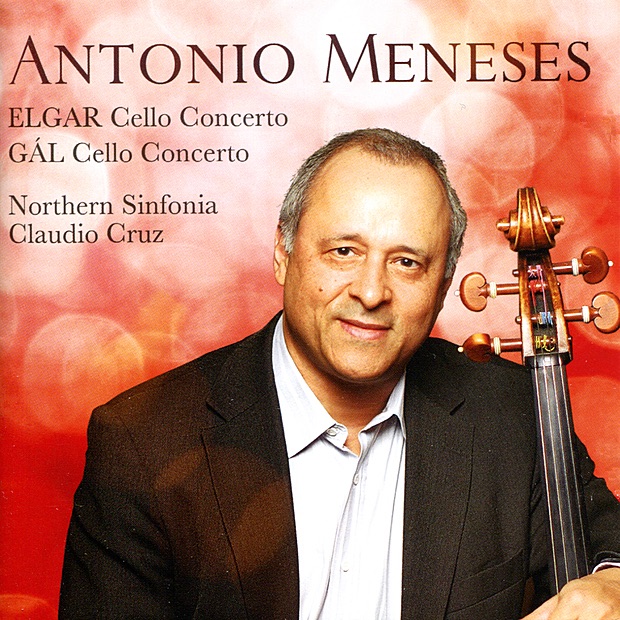 May 28, 2012
 -
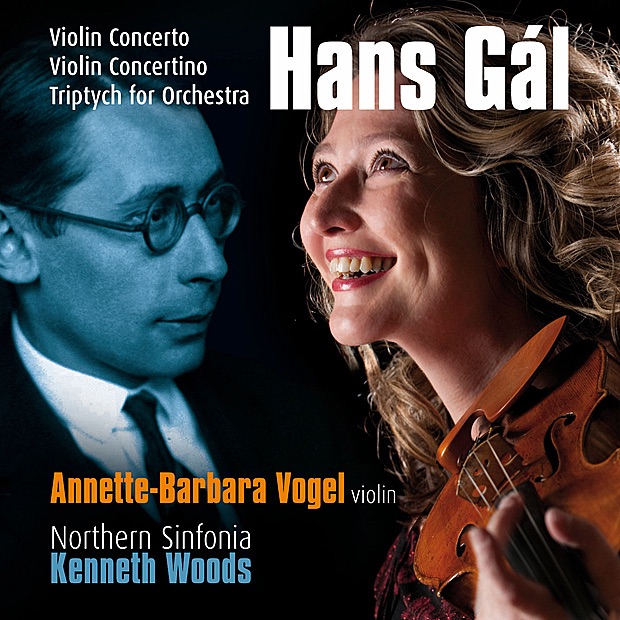
Artist Info
Role:ComposerBirth:August 5, 1890 in Vienna, AustriaDeath:October 3, 1987 in Edinburgh, ScotlandPeriod:ModernGenre:ChamberKeyboardHans Gál was a prominent Austrian-British composer, conductor, and musicologist of the 20th century. He was born on August 5, 1890, in Brunn am Gebirge, Austria, to a Jewish family. His father was a lawyer, and his mother was a pianist. Gál showed an early interest in music and began playing the piano at the age of four. He received his first formal music education from his mother and later studied with Richard Robert, a renowned pianist and composer. In 1908, Gál enrolled at the Vienna Conservatory, where he studied composition with Eusebius Mandyczewski and piano with Richard Robert. He graduated in 1912 with a diploma in composition and piano. After completing his studies, Gál worked as a freelance composer and pianist in Vienna. He also taught music theory and composition at the New Vienna Conservatory. In 1929, Gál was appointed director of the Mainz Conservatory in Germany. He held this position until 1933 when he was dismissed from his post by the Nazi regime due to his Jewish heritage. Gál returned to Vienna and continued to work as a freelance composer and conductor. However, with the annexation of Austria by Nazi Germany in 1938, Gál was forced to flee the country with his family. Gál settled in Edinburgh, Scotland, where he was appointed a lecturer in music at the University of Edinburgh. He remained in this position until his retirement in 1951. During his time in Scotland, Gál became a British citizen and continued to compose and conduct. He also served as the conductor of the Scottish Orchestra from 1949 to 1951. Gál's music is characterized by its lyrical melodies, contrapuntal textures, and tonal harmonies. His early works, such as his Piano Sonata No. 1 and String Quartet No. 1, show the influence of Brahms and Schumann. However, Gál's later works, such as his Symphony No. 1 and Concerto for Violin and Orchestra, show a more modernist approach to composition. One of Gál's most significant works is his opera Die heilige Ente (The Sacred Duck), which premiered in 1923. The opera is a satirical work that pokes fun at the conventions of opera and society. It was well-received by audiences and critics alike and helped establish Gál's reputation as a composer. Another notable work by Gál is his Symphony No. 1, which premiered in 1927. The symphony is a four-movement work that showcases Gál's skill as a composer. The work is characterized by its lush harmonies and intricate counterpoint. Gál's Concerto for Violin and Orchestra, which premiered in 1933, is another significant work. The concerto is a three-movement work that features a virtuosic solo violin part. The work is notable for its use of tonal harmonies and lyrical melodies. In addition to his work as a composer, Gál was also a respected musicologist. He wrote several books on music theory and history, including a biography of Brahms. Gál's musicological work helped to establish him as a leading figure in the field of musicology. Gál continued to compose and conduct until his death on October 3, 1987, in Edinburgh, Scotland. His music has since been rediscovered and is now performed and recorded by orchestras and ensembles around the world. Gál's legacy as a composer and musicologist continues to be celebrated today.More....
Recent Artist Music
11
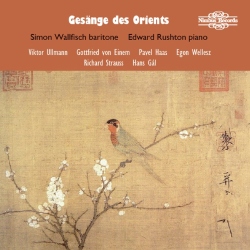
Melodies (5), Op. 33
1. Drei Prinzessinnen (Three Princesses) Op. 33 Nr. 4/2. Abend auf dem Fluss (Evening on the River) Op. 33 Nr. 5
5:41
13
6:15



Copyright Ⓒ 2013 Davinci Finger. All rights reseved
Service Terms & Policy