


Alexander Mosolov
Released Album
Keyboard
-
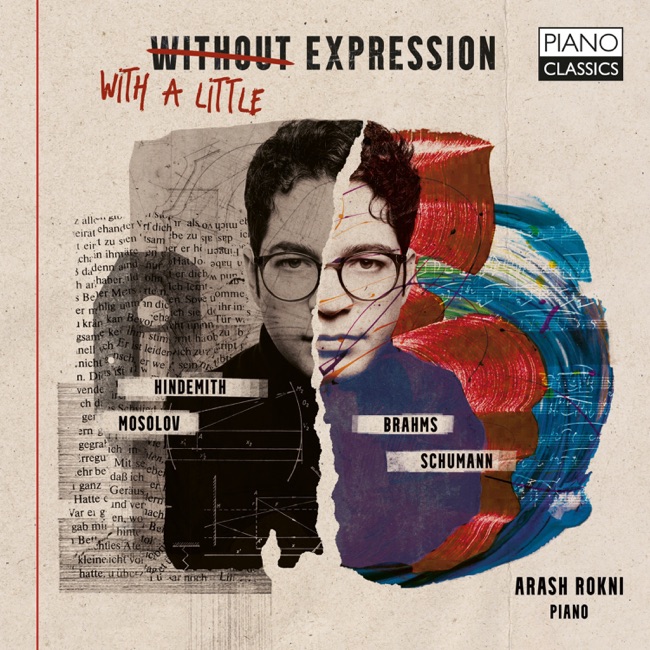
-
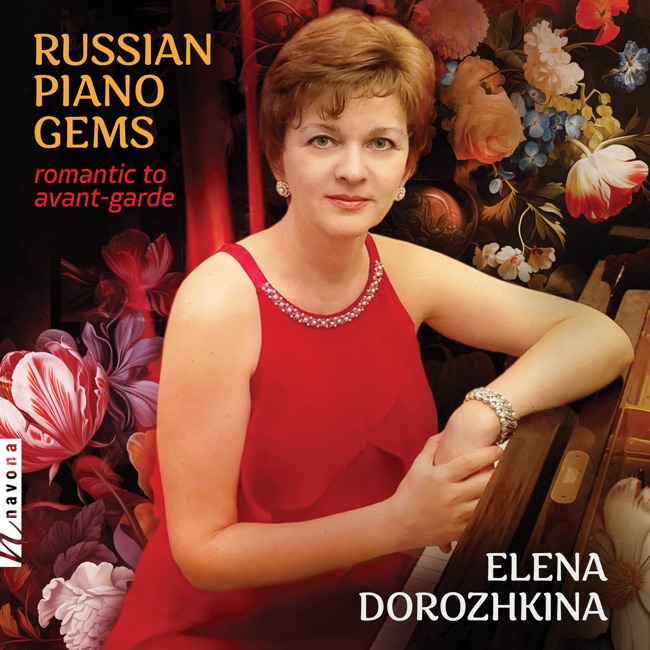 November 3, 2023
 -
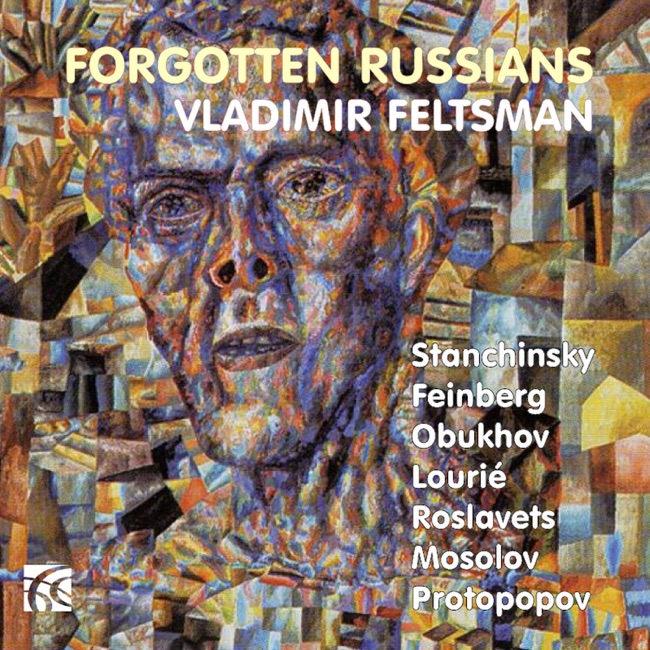 January 4, 2019
 -
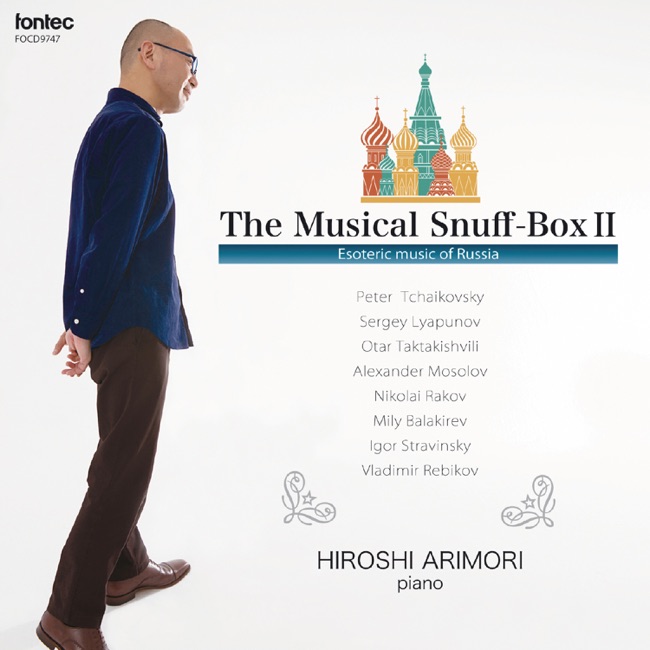 June 7, 2017
 -
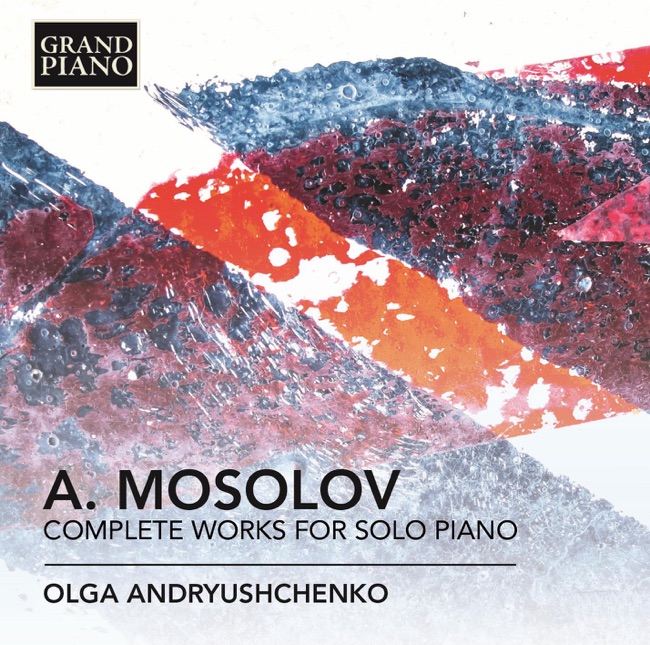 April 8, 2016
 -
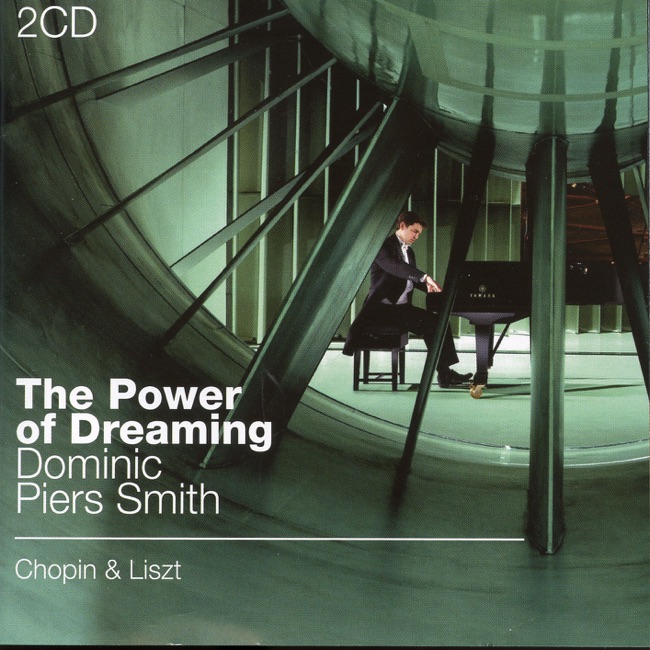 October 24, 2012
Orchestral
-
 February 3, 2022
 -
 February 3, 2022
 -
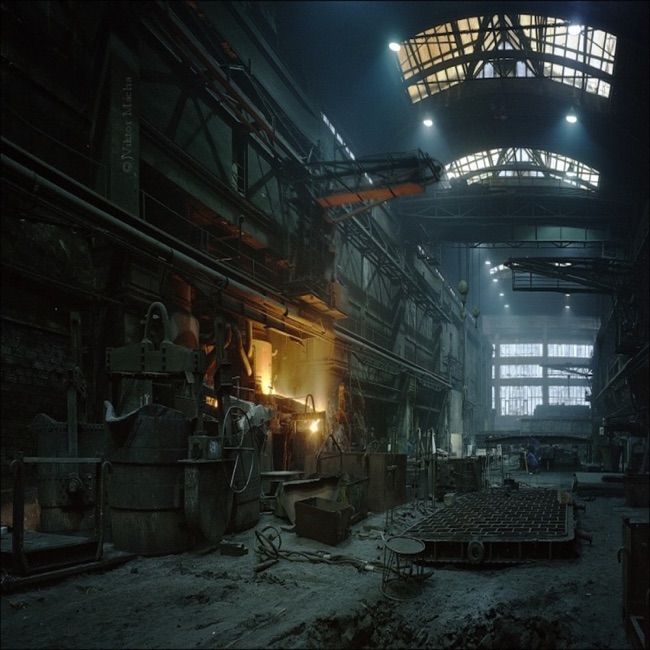 July 1, 2013
 -
 December 1, 2010
 -
 November 6, 2007
Chamber
-
 February 26, 2002
 -
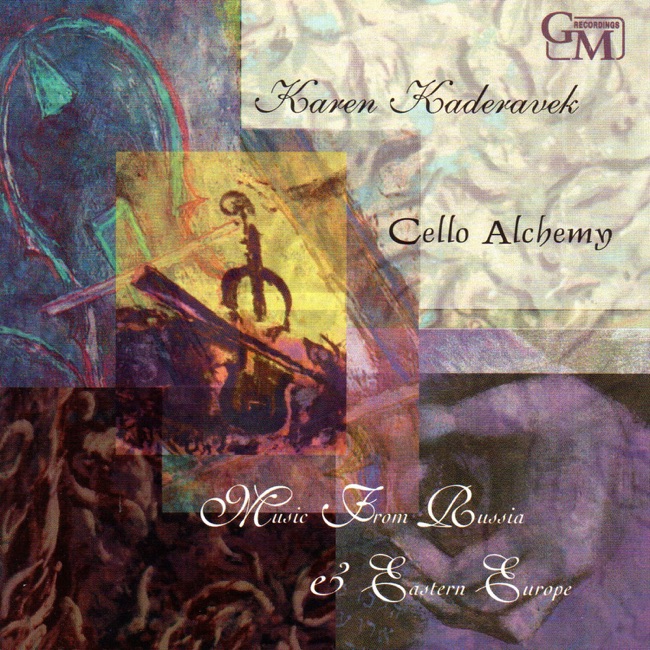 January 1, 1998
 -
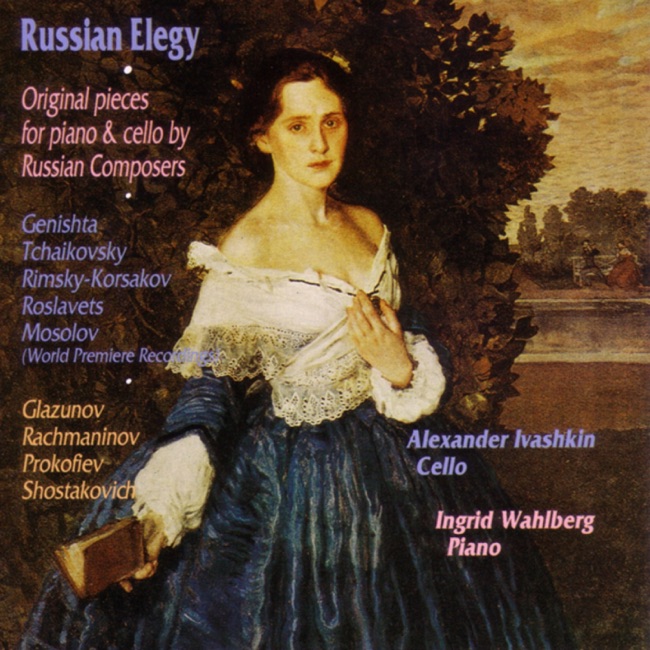 January 1, 1993
Concerto
-
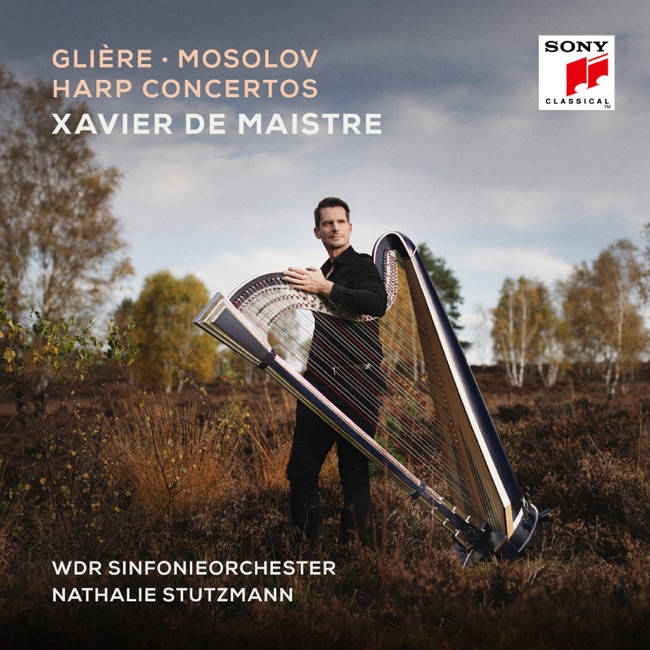 September 16, 2022
 -
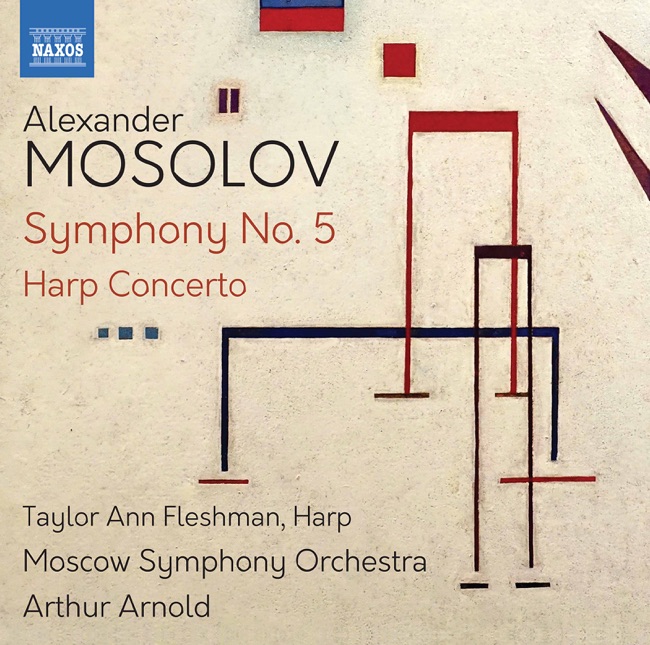 December 4, 2020
 -
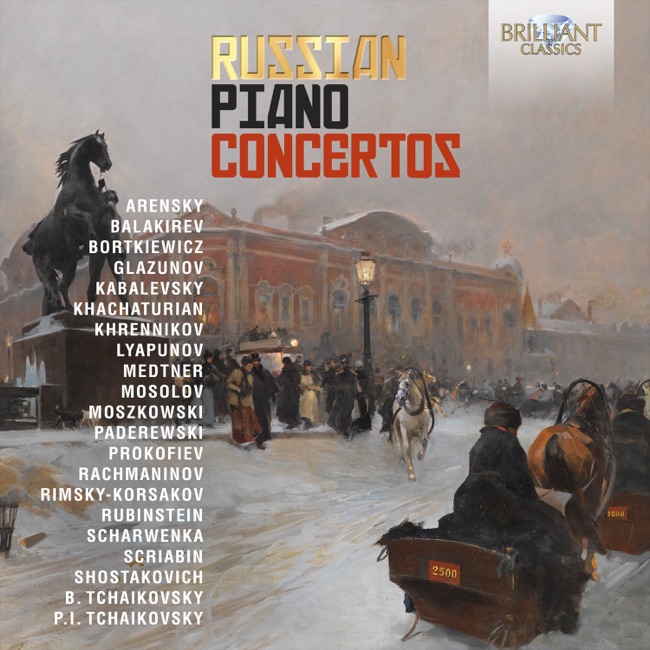 February 23, 2018
 -
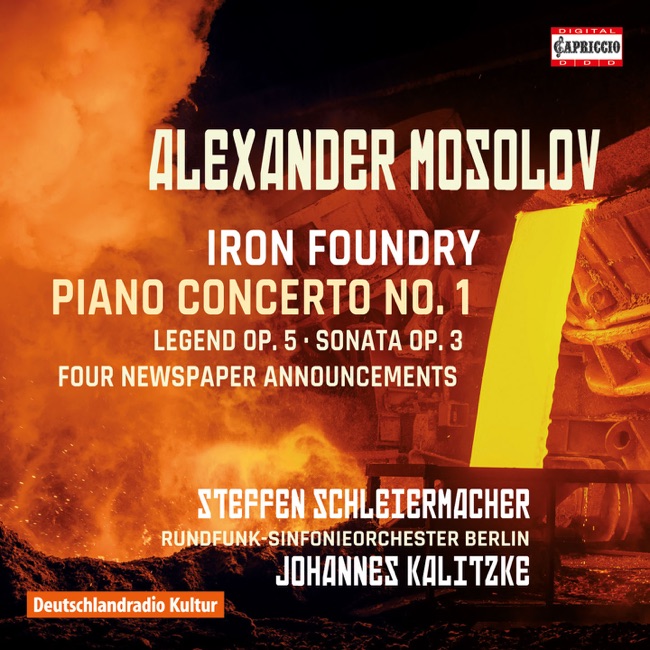 July 31, 2015
 -
 January 14, 1997
Artist Info
Role:ComposerCountry: RussiaBirth:July 29, 1900 in Kiev, UkraineDeath:July 12, 1973 in Moscow, RussiaPeriod:ModernGenre:ChamberKeyboardAlexander Mosolov was a Russian composer who was born on August 11, 1900, in Kiev, Ukraine. He was the son of a wealthy merchant and grew up in a family that was passionate about music. Mosolov began his musical education at an early age, studying piano and composition with some of the best teachers in Kiev. In 1918, Mosolov moved to Moscow to study at the Moscow Conservatory. He studied composition with Nikolai Myaskovsky and piano with Konstantin Igumnov. Mosolov was a talented student and quickly gained recognition for his compositions. In 1923, he won the prestigious Glinka Prize for his Symphony No. 1. Mosolov's early works were influenced by the Russian avant-garde movement, which was characterized by a rejection of traditional forms and a focus on experimentation. His music was often dissonant and complex, with unusual rhythms and harmonies. Mosolov was particularly interested in the use of percussion instruments, and his compositions often featured unconventional percussion parts. One of Mosolov's most famous works is his orchestral piece, "Iron Foundry." The piece was composed in 1926 and was inspired by the sounds of a factory. The music is characterized by its driving rhythms and use of percussion instruments, including anvils and hammers. "Iron Foundry" quickly became a sensation and was performed all over the world. Mosolov's success with "Iron Foundry" led to commissions from other Soviet organizations, including the Red Army and the Moscow Art Theatre. He composed music for several films, including "The New Babylon" and "The Return of Vasili Bortnikov." Mosolov's film music was characterized by its use of unconventional instruments, such as sirens and whistles. In 1936, Mosolov was arrested by the Soviet authorities and charged with anti-Soviet activities. He was accused of being a member of a Trotskyist organization and was sentenced to ten years in a labor camp. Mosolov's music was banned, and he was not allowed to compose or perform. Mosolov was released from the labor camp in 1946 and was allowed to return to Moscow. He was not allowed to resume his career as a composer, however, and was forced to work as a piano tuner. Mosolov's music was not performed again until the 1960s, when a new generation of Soviet composers began to rediscover his work. Mosolov died on July 11, 1973, in Moscow. His music has since been recognized as an important contribution to the Russian avant-garde movement. Mosolov's use of percussion instruments and unconventional harmonies and rhythms influenced many composers who came after him. In conclusion, Alexander Mosolov was a talented composer who made significant contributions to the Russian avant-garde movement. His music was characterized by its use of percussion instruments and unconventional harmonies and rhythms. Mosolov's most famous work, "Iron Foundry," was a sensation and was performed all over the world. Mosolov's career was cut short by his arrest and imprisonment by the Soviet authorities, but his music has since been rediscovered and recognized as an important contribution to the history of classical music.More....
Recent Artist Music
5
6:35
8
3:35
13
10:56

Recommend Playlist


Copyright Ⓒ 2013 Davinci Finger. All rights reseved
Service Terms & Policy