


Bernard van Dieren
Released Album
Vocal
-
 August 12, 2008
Chamber
-
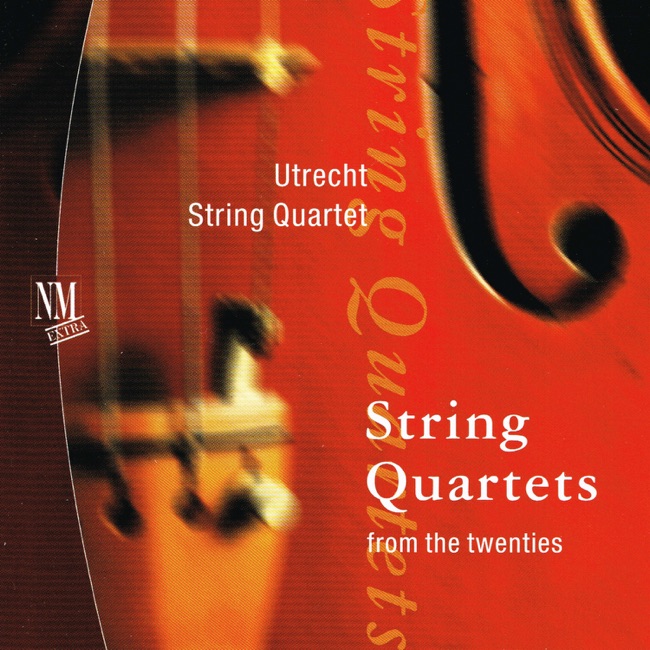 February 26, 2002
Symphony
-
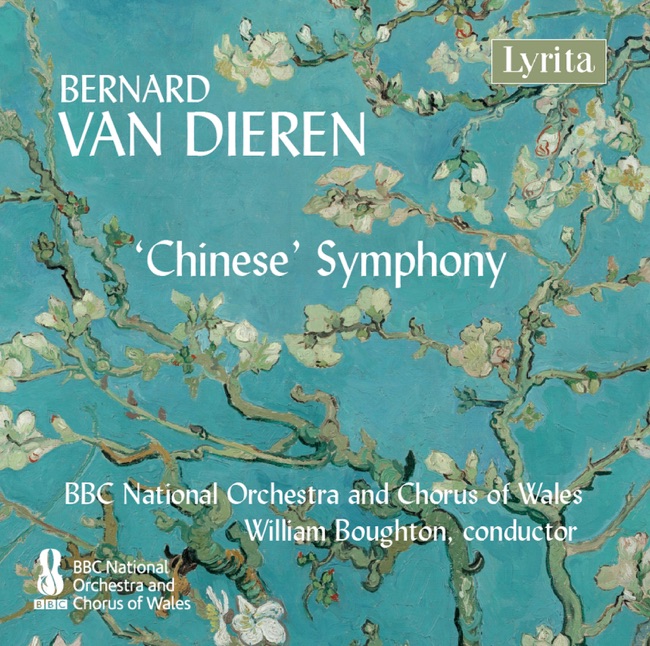 November 11, 2016
Artist Info
Role:ComposerBirth:1887Death:1936Period:ModernGenre:ChamberVocalBernard van Dieren was a British composer of Dutch origin, born on December 10, 1887, in Rotterdam, Netherlands. He was the son of a Dutch father and an English mother. His father was a successful businessman, and his mother was a talented pianist. Bernard showed an early interest in music and began composing at a young age. In 1905, Bernard moved to London to study music at the Royal Academy of Music. He studied composition with Frederick Corder and piano with Tobias Matthay. He also attended lectures by Charles Villiers Stanford and Hubert Parry. During his time at the academy, Bernard won several prizes for his compositions, including the prestigious Charles Lucas Prize. After completing his studies, Bernard worked as a freelance composer and pianist. He also taught music at the Royal Academy of Music and the Guildhall School of Music. In 1914, he married the pianist and composer, Adine O'Neill. The couple had two children, a son, and a daughter. Bernard's music was influenced by a variety of styles, including impressionism, expressionism, and folk music. He was also interested in Eastern philosophy and spirituality, which is reflected in his music. His compositions were often complex and challenging, with unusual harmonies and rhythms. One of Bernard's most significant works is his Symphony No. 1, which he composed in 1920. The symphony is in four movements and is scored for a large orchestra. It is a complex and challenging work, with unusual harmonies and rhythms. The symphony was premiered in 1921 by the London Symphony Orchestra, conducted by Albert Coates. The work was well-received by critics and established Bernard as a significant composer. Bernard's other notable works include his String Quartet No. 1, which he composed in 1923. The quartet is in four movements and is scored for two violins, viola, and cello. It is a complex and challenging work, with unusual harmonies and rhythms. The quartet was premiered in 1924 by the London String Quartet and was well-received by critics. In 1927, Bernard composed his Symphony No. 2, which is also known as the Chinese Symphony. The symphony is in four movements and is scored for a large orchestra. It is inspired by Chinese music and culture and features Chinese instruments, including the pipa and the sheng. The symphony was premiered in 1928 by the BBC Symphony Orchestra, conducted by Adrian Boult. The work was well-received by critics and established Bernard as a significant composer. Bernard's other notable works include his Piano Concerto, which he composed in 1931. The concerto is in three movements and is scored for piano and orchestra. It is a complex and challenging work, with unusual harmonies and rhythms. The concerto was premiered in 1932 by the pianist, Harriet Cohen, and the BBC Symphony Orchestra, conducted by Adrian Boult. In addition to his compositions, Bernard was also a prolific writer on music. He wrote several books, including The Music of Gustav Holst, The Music of Arnold Schoenberg, and The Music of Igor Stravinsky. He was also a regular contributor to music journals and magazines. Bernard's later years were marked by ill health, and he was forced to give up composing. He died on April 24, 1936, at the age of 48, in London, England. Despite his relatively short life, Bernard van Dieren left a significant legacy in the world of classical music. His music was innovative and challenging, and his writings on music were insightful and influential.More....
Recent Artist Music

Copyright Ⓒ 2013 Davinci Finger. All rights reseved
Service Terms & Policy