


Gaetano Brunetti
Released Album
Chamber
-
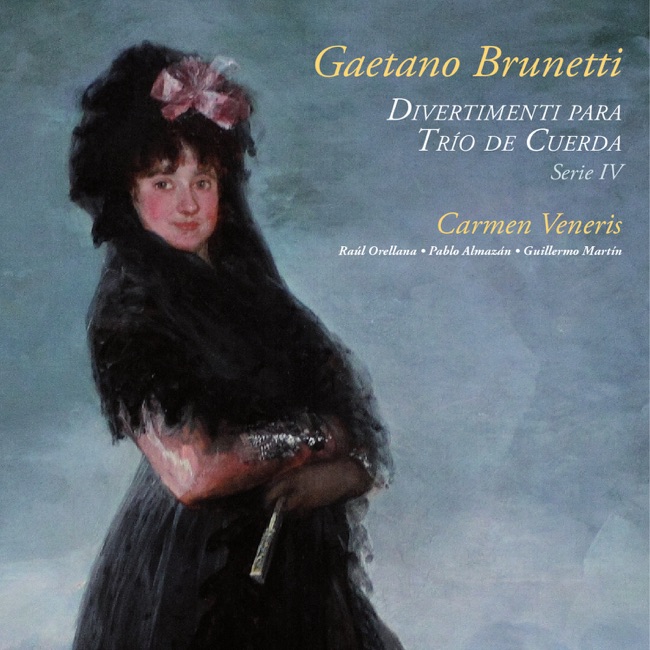 August 12, 2014
 -
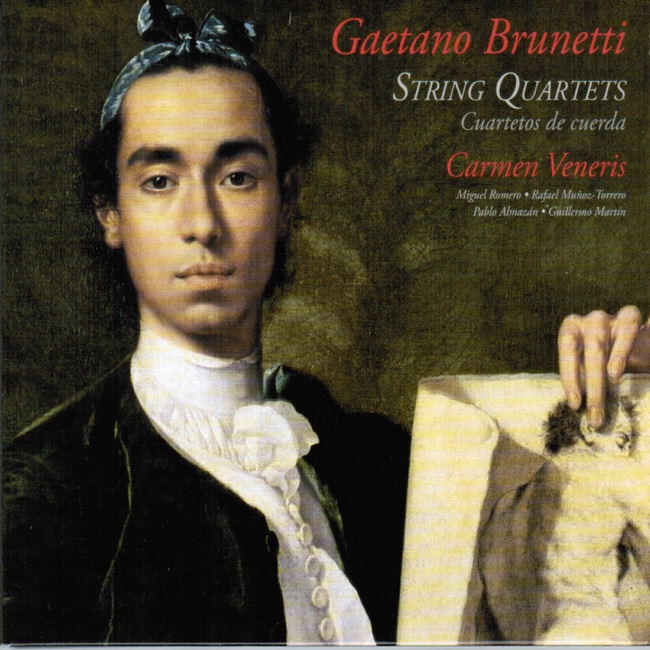 February 17, 2014
 -

-
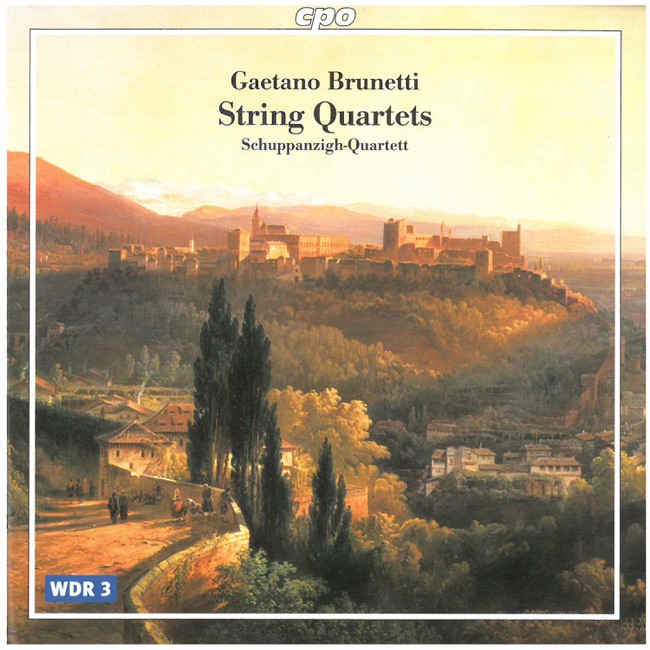 November 1, 2001
Symphony
-
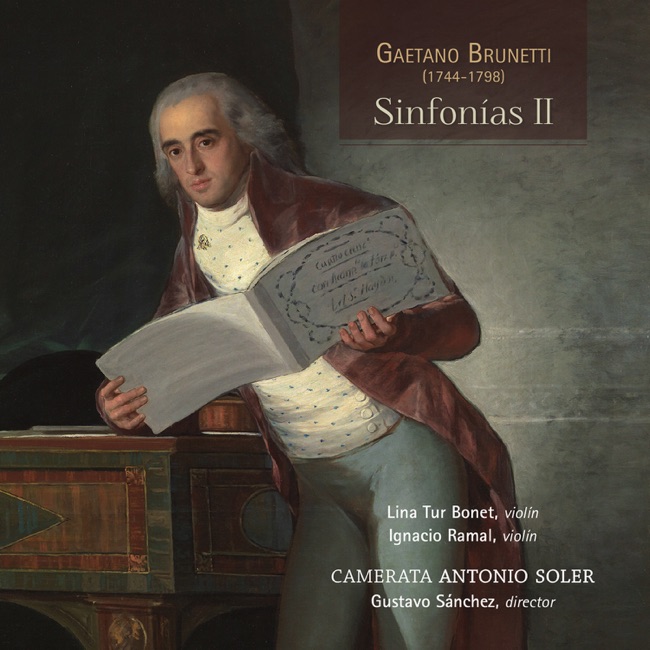 January 27, 2017
 -
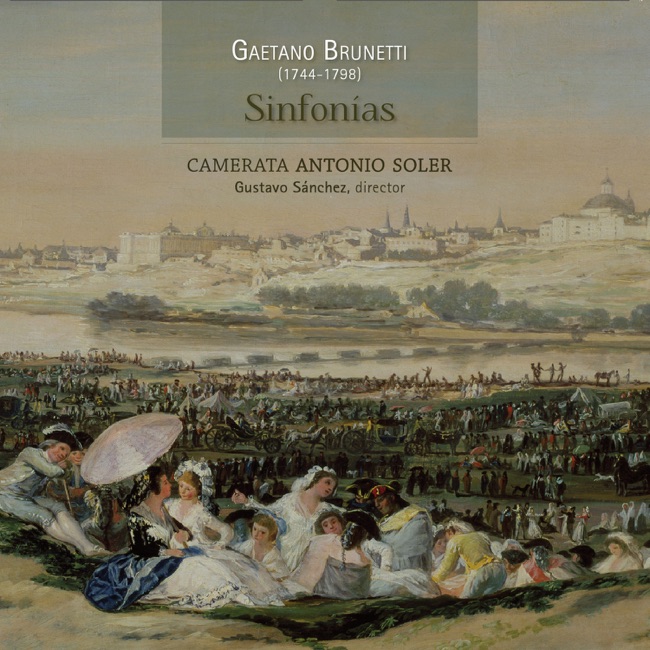 June 9, 2015
 -
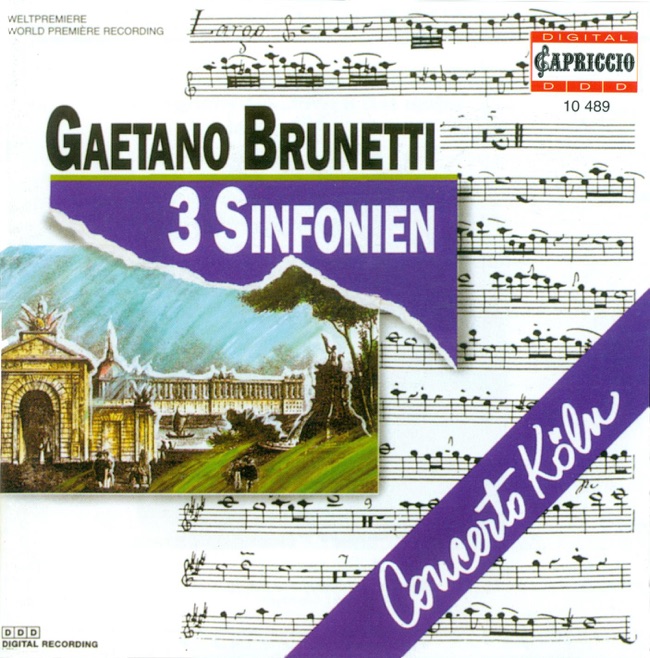 April 16, 1995
Vocal
-
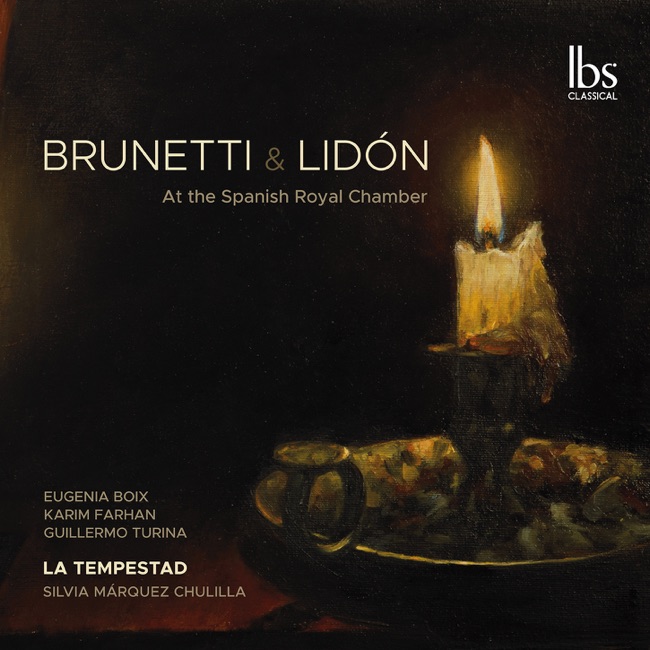 March 13, 2020
 -
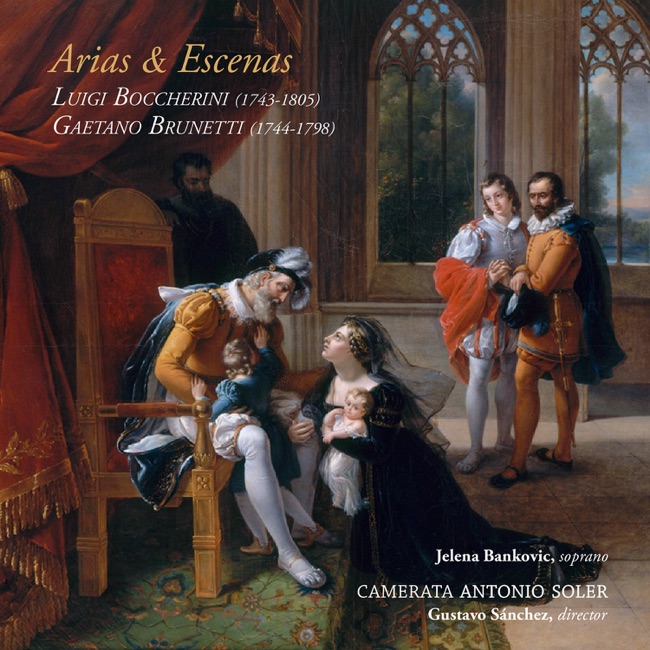 July 1, 2016
Artist Info
Role:ComposerBirth:1744Death:1798Genre:ChamberSymphonyGaetano Brunetti was an Italian composer and violinist who lived during the Classical period. He was born on October 12, 1744, in the town of Forlì, which was then part of the Papal States. Brunetti was the son of a musician, and he began his musical education at a young age. He studied violin with his father and later with the renowned violinist Giuseppe Tartini. Brunetti's talent as a violinist was recognized early on, and he began performing in public at the age of 12. He soon became known for his virtuosic playing and was invited to perform in the courts of various European monarchs. In 1764, he was appointed as the concertmaster of the orchestra at the court of the Duke of Parma, where he remained for several years. During his time in Parma, Brunetti began to compose music, and his works were well-received by both the court and the public. He wrote a number of symphonies, concertos, and chamber music pieces, as well as several operas. His music was characterized by its elegance, clarity, and lyricism, and it was influenced by the works of his contemporaries, including Mozart and Haydn. In 1771, Brunetti left Parma and traveled to London, where he became a member of the orchestra at the King's Theatre. He quickly established himself as one of the leading musicians in the city, and he was praised for his performances as well as his compositions. He wrote several operas for the King's Theatre, including "La finta cameriera" and "La vendetta di Nino," which were both well-received. Brunetti remained in London for several years, during which time he continued to compose and perform. He also became involved in the city's musical life, participating in concerts and collaborating with other musicians. In 1781, he was appointed as the director of the Italian Opera in Paris, where he remained for several years. During his time in Paris, Brunetti continued to compose and perform, and he also became involved in the city's musical scene. He wrote several operas for the Paris Opera, including "La finta giardiniera" and "La morte di Cleopatra," which were both successful. He also wrote a number of chamber music pieces, including string quartets and sonatas. In 1789, Brunetti returned to Italy, where he spent the rest of his life. He continued to compose and perform, and he also became involved in the musical life of his hometown of Forlì. He wrote several works for the local church, including masses and motets, and he also wrote a number of instrumental pieces. Brunetti died on November 16, 1798, in Forlì. He was remembered as a talented composer and violinist who had made significant contributions to the development of Classical music. His works were characterized by their elegance, clarity, and lyricism, and they were admired by his contemporaries and later generations of musicians. Some of Brunetti's most notable works include his symphonies, which were praised for their clarity and balance. His concertos for violin and other instruments were also well-regarded, and they demonstrated his virtuosic playing as well as his compositional skill. His chamber music pieces, including his string quartets and sonatas, were admired for their elegance and lyricism. Overall, Gaetano Brunetti was a significant figure in the development of Classical music, and his works continue to be admired and performed today.More....
Recent Artist Music
9
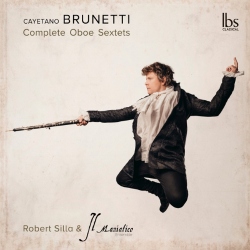
Sextet for oboe, 2 violins, 2 violas & cello No. 5 in C major, L. 277
II. Andantino con moto, espressivo
6:27
Copyright Ⓒ 2013 Davinci Finger. All rights reseved
Service Terms & Policy