


Gustav V. Lembcke
Released Album
Vocal
-
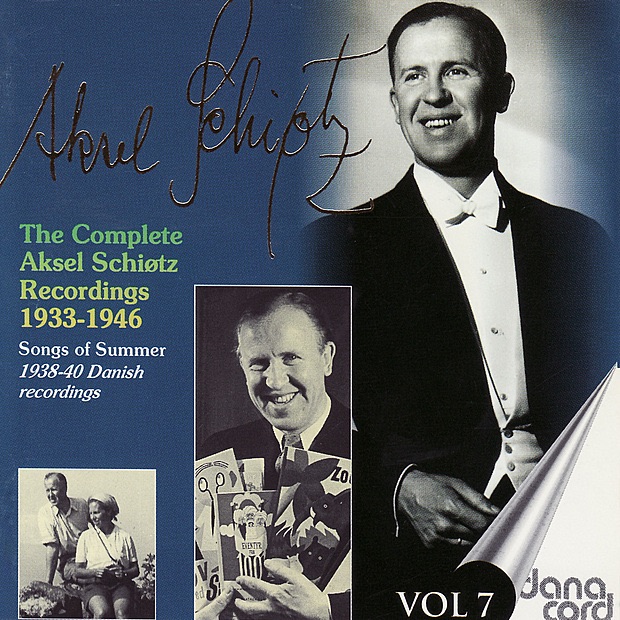 January 5, 1998
 -
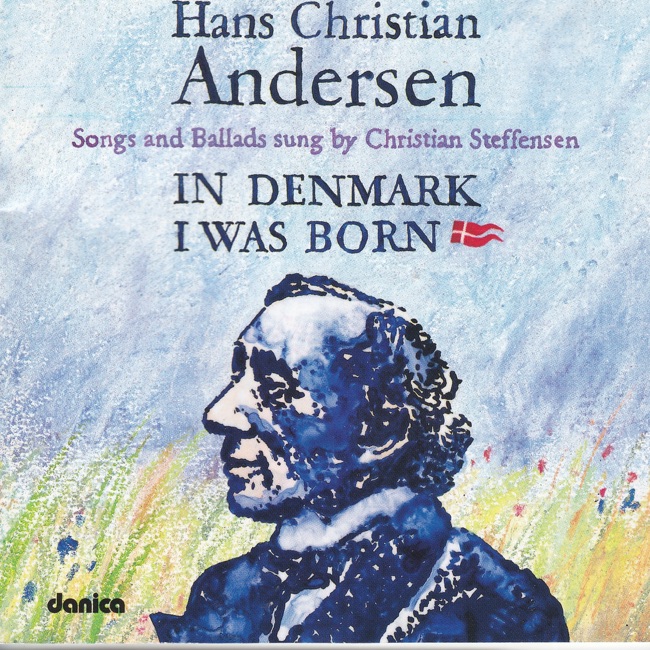 January 23, 1996
Artist Info
Role:ComposerBirth:1844Death:1899Period:ModernGenre:VocalGustav V. Lembcke was a German composer and pianist who lived from 1845 to 1918. He was born in the city of Hamburg, where he began his musical studies at a young age. His father was a successful businessman who encouraged his son's musical pursuits, and Lembcke showed great promise as a pianist from an early age. Lembcke studied at the Hamburg Conservatory, where he was a student of Julius Rietz, a prominent conductor and composer of the time. He also studied with other notable musicians, including the pianist Clara Schumann. Lembcke's early works were heavily influenced by the Romantic style of music that was popular in Germany at the time, and he quickly gained a reputation as a talented composer and performer. In 1870, Lembcke moved to Berlin, where he continued to compose and perform. He became a well-known figure in the city's musical scene, and his works were performed by some of the most prominent musicians of the time. Lembcke's music was characterized by its lyrical melodies, rich harmonies, and intricate textures, and he was known for his ability to create music that was both emotionally powerful and technically demanding. One of Lembcke's most famous works is his Piano Concerto in A minor, which he composed in 1878. The concerto is a virtuosic showcase for the soloist, with a dramatic opening movement that features a soaring melody and intricate piano passages. The second movement is a lyrical and introspective adagio, while the final movement is a lively and energetic rondo that showcases Lembcke's skill as a composer of dance music. Another notable work by Lembcke is his Symphony No. 1 in D minor, which he composed in 1885. The symphony is a grand and ambitious work, with a sweeping opening movement that features a majestic theme played by the brass section. The second movement is a lyrical and introspective adagio, while the third movement is a lively scherzo that showcases Lembcke's skill as a composer of dance music. The final movement is a triumphant and celebratory finale that brings the symphony to a thrilling conclusion. Lembcke also composed a number of chamber works, including several string quartets and piano trios. These works are characterized by their intricate counterpoint and rich harmonies, and they showcase Lembcke's skill as a composer of chamber music. Despite his success as a composer and performer, Lembcke was known for his modesty and humility. He was a dedicated teacher and mentor to many young musicians, and he was known for his generosity and kindness. Lembcke died in 1918, leaving behind a legacy of beautiful and emotionally powerful music that continues to be performed and admired to this day.More....
Recent Artist Music
Copyright Ⓒ 2013 Davinci Finger. All rights reseved
Service Terms & Policy