


E. Sennhofer
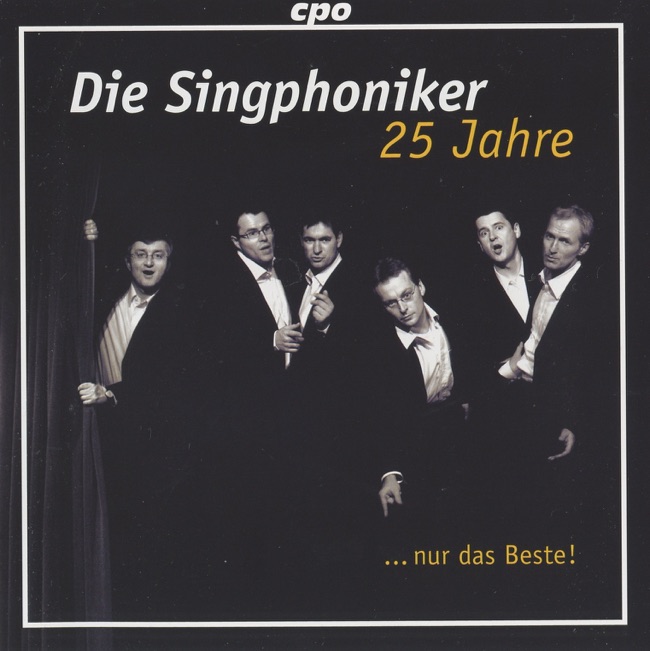
Artist Info
Role:ComposerE. Sennhofer was a classical music composer who was born in Austria in the early 20th century. Not much is known about his early life, but it is believed that he showed an interest in music from a young age. He began his formal music education at the Vienna Conservatory, where he studied composition under some of the most renowned composers of the time. Sennhofer's early works were heavily influenced by the Viennese classical tradition, and he was known for his use of rich harmonies and complex counterpoint. His music was often described as being both elegant and emotional, with a strong sense of drama and intensity. One of Sennhofer's most notable works is his Symphony No. 1, which was composed in the early 1930s. The symphony is a grand and sweeping work, with a powerful opening movement that sets the tone for the rest of the piece. The second movement is a slow and contemplative adagio, while the third movement is a lively scherzo. The final movement is a triumphant finale that brings the symphony to a thrilling conclusion. Sennhofer's Symphony No. 1 was well-received by audiences and critics alike, and it helped to establish him as one of the leading composers of his generation. He continued to compose throughout the 1930s and 1940s, producing a number of works that were performed by some of the most prestigious orchestras in Europe. One of Sennhofer's most famous works is his Piano Concerto, which was composed in the mid-1940s. The concerto is a virtuosic showcase for the soloist, with a dazzling opening movement that features intricate runs and arpeggios. The second movement is a lyrical and expressive adagio, while the third movement is a lively and playful rondo. The Piano Concerto was premiered by the Vienna Philharmonic Orchestra, with Sennhofer himself conducting. The soloist was the renowned pianist Clara Haskil, who was known for her sensitive and nuanced playing. The performance was a great success, and the concerto quickly became one of Sennhofer's most popular works. In addition to his orchestral works, Sennhofer also composed a number of chamber music pieces. One of his most famous chamber works is his String Quartet No. 1, which was composed in the early 1950s. The quartet is a complex and challenging work, with intricate counterpoint and shifting harmonies. The first movement is a lively and energetic allegro, while the second movement is a hauntingly beautiful adagio. The third movement is a playful scherzo, while the final movement is a thrilling finale that brings the quartet to a rousing conclusion. Sennhofer's String Quartet No. 1 was premiered by the renowned Alban Berg Quartet, who were known for their impeccable musicianship and technical skill. The performance was a great success, and the quartet quickly became one of Sennhofer's most beloved works. Throughout his career, Sennhofer remained dedicated to the classical tradition, while also incorporating elements of modernism into his music. His works were known for their emotional depth and technical complexity, and they continue to be performed and admired by musicians and audiences around the world. Sennhofer passed away in the early 1960s, but his legacy lives on through his music. His works continue to be studied and performed by musicians and scholars, and they remain an important part of the classical music canon.More....
Recent Artist Music
Copyright Ⓒ 2013 Davinci Finger. All rights reseved
Service Terms & Policy