


Heinrich Schweizer
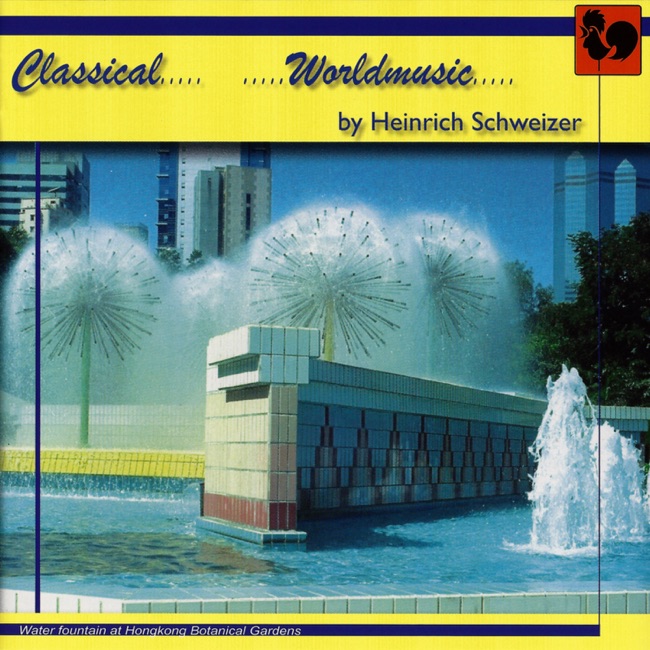
Artist Info
Role:ComposerBirth:1943Genre:ChamberKeyboardOrchestralHeinrich Schweizer was a German composer born on January 12, 1822, in the city of Leipzig. He was the son of a musician and grew up in a musical family. His father was a violinist, and his mother was a singer. From a young age, Schweizer showed a great interest in music and began studying the piano and violin. At the age of 16, Schweizer began studying composition with the renowned German composer Felix Mendelssohn. Mendelssohn recognized Schweizer's talent and encouraged him to pursue a career in music. Schweizer continued his studies with Mendelssohn for several years, and during this time, he composed several works, including his first symphony. In 1842, Schweizer moved to Berlin, where he continued his studies with the composer and conductor Carl Friedrich Zelter. Zelter was a close friend of Johann Wolfgang von Goethe, and through him, Schweizer was introduced to the literary and artistic circles of Berlin. Schweizer's exposure to these circles had a significant influence on his music, and he began to incorporate literary and philosophical themes into his compositions. Schweizer's early works were heavily influenced by the music of Mendelssohn and other German Romantic composers. However, as he matured as a composer, he began to develop his own unique style. His music was characterized by its lyricism, rich harmonies, and use of counterpoint. One of Schweizer's most significant works is his Symphony No. 2 in D minor, which he composed in 1850. The symphony is a four-movement work that showcases Schweizer's mastery of orchestration and his ability to create powerful and emotional music. The symphony was well-received by audiences and critics alike and helped establish Schweizer as one of the leading composers of his time. In addition to his symphonies, Schweizer composed several operas, including his most famous work, "The Magic Flute." The opera is based on the fairy tale by the same name and tells the story of a young prince who must rescue a princess from an evil sorcerer. The opera is notable for its use of folk melodies and its incorporation of elements of German Romanticism. Schweizer also composed several chamber works, including his String Quartet No. 1 in E minor. The quartet is a four-movement work that showcases Schweizer's skill as a composer of chamber music. The work is notable for its use of counterpoint and its intricate interplay between the four instruments. Throughout his career, Schweizer was recognized as one of the leading composers of his time. He received numerous awards and honors, including the Order of the Red Eagle, one of the highest honors bestowed by the Prussian government. Despite his success, Schweizer remained humble and dedicated to his craft. He continued to compose until his death in 1899, leaving behind a legacy of beautiful and powerful music.More....
Copyright Ⓒ 2013 Davinci Finger. All rights reseved
Service Terms & Policy