


Johann Georg Christian Störl
Released Album
Chamber
-
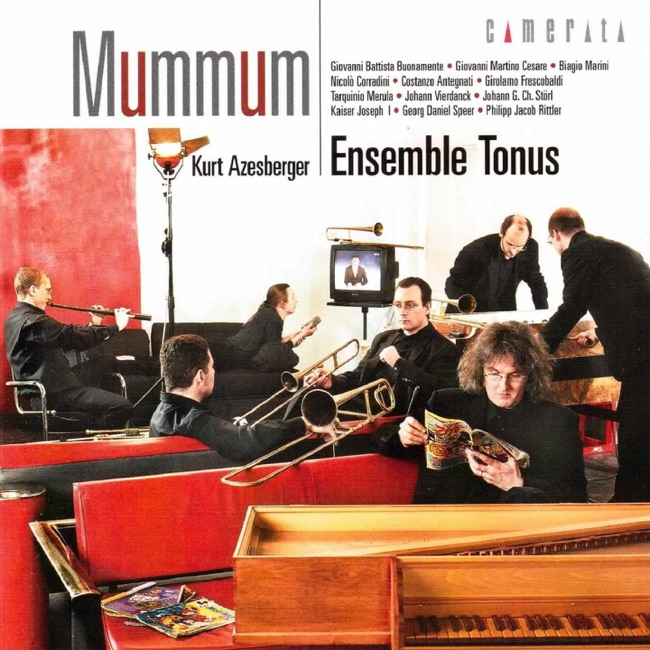 December 9, 2008
 -
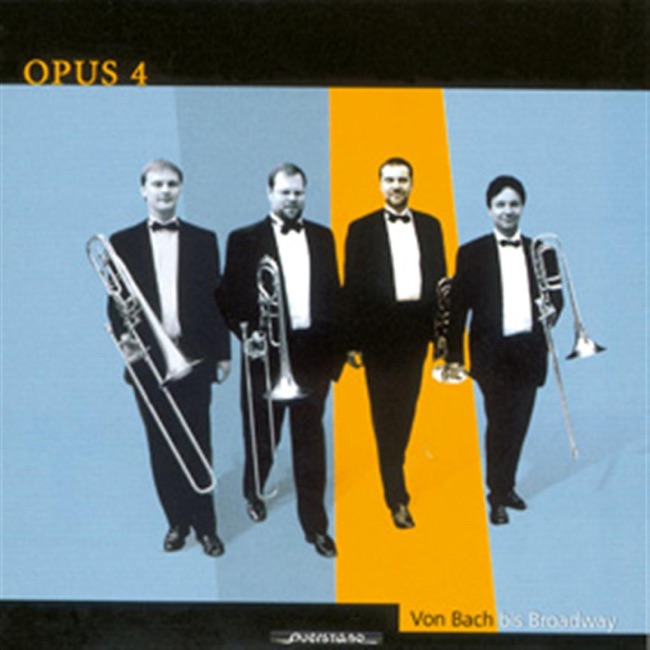 May 9, 2006
 -
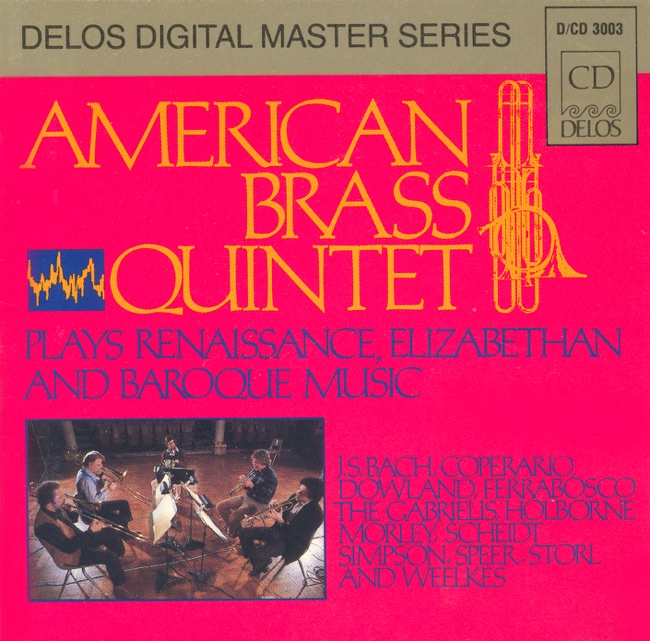 September, 1984
Artist Info
Role:ComposerBirth:August 14, 1675Death:July 26, 1719Period:BaroqueGenre:ChamberJohann Georg Christian Störl was a German composer and musician who lived during the 18th century. He was born on January 22, 1705, in the town of Schleiz, which is located in the state of Thuringia in Germany. Störl was the son of Johann Georg Störl, who was a musician and composer himself, and his mother was Anna Maria Störl. Störl grew up in a musical family, and he began his musical education at a young age. He received his first music lessons from his father, who taught him how to play the violin and the keyboard. Störl showed great talent and passion for music, and he continued his studies with other prominent musicians in the region. In 1723, Störl moved to Leipzig to study at the University of Leipzig. He studied music theory and composition with Johann Sebastian Bach, who was the director of music at the university at the time. Störl was greatly influenced by Bach's teachings, and he developed a deep appreciation for the Baroque style of music. After completing his studies in Leipzig, Störl returned to his hometown of Schleiz, where he began his career as a composer and musician. He worked as a music teacher and organist at the local church, and he also composed music for various occasions, such as weddings and funerals. Störl's music was highly regarded by his contemporaries, and he gained a reputation as a skilled composer. His works were characterized by their intricate harmonies and complex counterpoint, which were typical of the Baroque style. Störl's music was also known for its emotional depth and expressive qualities, which were often inspired by his personal experiences and beliefs. One of Störl's most famous works is his cantata "Ich bin ein guter Hirt" (I am a good shepherd), which was composed in 1735. The cantata is based on the biblical passage from John 10:11-16, which describes Jesus as the good shepherd who lays down his life for his sheep. Störl's cantata is a powerful expression of faith and devotion, and it features intricate choral and instrumental parts that showcase his mastery of the Baroque style. Another notable work by Störl is his "Concerto for Flute and Orchestra in D Major," which was composed in 1740. The concerto is a virtuosic showcase for the flute, and it features intricate solo passages that require great technical skill and precision. The concerto is also notable for its use of the ritornello form, which was a common structure in Baroque music. Störl's music was highly regarded during his lifetime, and he was recognized as one of the leading composers of his time. However, his music fell out of favor in the years following his death, and it was largely forgotten until the 20th century. Today, Störl's music is once again gaining recognition, and his works are being performed and recorded by musicians around the world. In conclusion, Johann Georg Christian Störl was a talented composer and musician who made significant contributions to the Baroque style of music. His works were characterized by their intricate harmonies, complex counterpoint, and emotional depth, and they continue to inspire and captivate audiences today. Störl's legacy as a composer and musician is a testament to his skill and dedication, and his music remains an important part of the classical music canon.More....
Copyright Ⓒ 2013 Davinci Finger. All rights reseved
Service Terms & Policy