


Avet Terterian
Released Album
Symphony
-
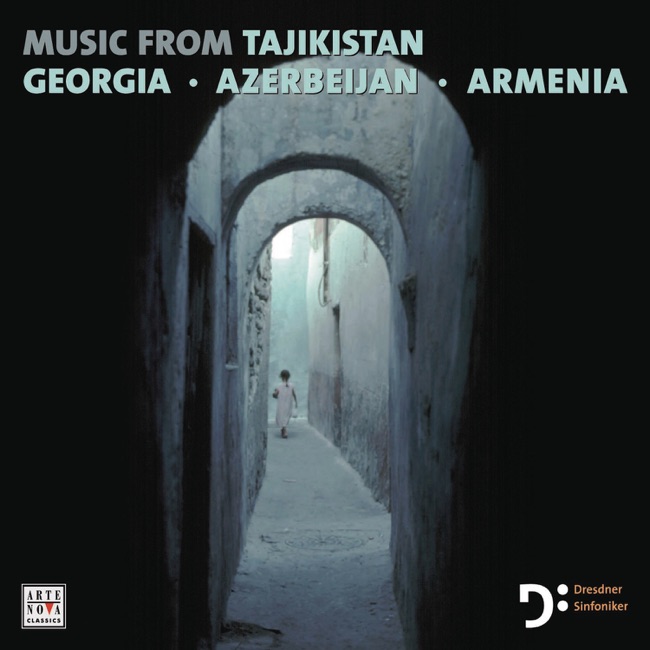 December 31, 1999
Chamber
-
 April 8, 2022
Artist Info
Role:ComposerCountry: ArmeniaBirth:July 29, 1929 in Baku, AzerbaijanDeath:1994 in Yekaterinburg, RussiaPeriod:ModernGenre:SymphonyAvet Terterian was a renowned Armenian composer who was born on July 29, 1929, in Baku, Azerbaijan. He was born into a family of musicians, and his father was a well-known composer and conductor. Terterian's early exposure to music and his family's musical background played a significant role in shaping his musical career. Terterian began his musical education at the Baku Conservatory, where he studied composition under the tutelage of Boris Zeidman. He later continued his studies at the Moscow Conservatory, where he studied with Aram Khachaturian, one of the most prominent composers of the 20th century. Terterian's time at the Moscow Conservatory was a turning point in his career, as he was exposed to a wide range of musical styles and techniques. Terterian's early works were heavily influenced by Armenian folk music, and he often incorporated traditional Armenian melodies and rhythms into his compositions. His music was characterized by its use of unconventional harmonies, complex rhythms, and intricate textures. Terterian's unique style of composition was a departure from the traditional Western classical music, and it earned him a reputation as one of the most innovative composers of his time. Terterian's most significant works include his five symphonies, which are considered to be some of the most important works in Armenian classical music. His first symphony, which was composed in 1957, was a groundbreaking work that showcased his unique style and musical language. The symphony was well-received by audiences and critics alike, and it established Terterian as a major figure in the world of classical music. Terterian's second symphony, which was composed in 1961, was another significant work that showcased his innovative approach to composition. The symphony was inspired by the Armenian epic poem "David of Sassoun," and it featured a wide range of musical styles and techniques. The symphony was a critical success, and it cemented Terterian's reputation as one of the most important composers of his time. Terterian's third symphony, which was composed in 1971, was a departure from his earlier works. The symphony was inspired by the Armenian genocide, and it featured a more somber and introspective tone. The symphony was a critical success, and it earned Terterian international recognition. Terterian's fourth symphony, which was composed in 1974, was another significant work that showcased his unique style and musical language. The symphony was inspired by the Armenian landscape, and it featured a wide range of musical styles and techniques. The symphony was a critical success, and it solidified Terterian's reputation as one of the most important composers of his time. Terterian's fifth symphony, which was composed in 1983, was his final major work. The symphony was inspired by the Armenian poet Yeghishe Charents, and it featured a more introspective and reflective tone. The symphony was a critical success, and it cemented Terterian's legacy as one of the most important composers of the 20th century. Terterian's contributions to the world of classical music were significant, and his unique style and musical language continue to inspire composers today. His works have been performed by some of the world's most renowned orchestras, and his legacy continues to live on through his music.More....

Copyright Ⓒ 2013 Davinci Finger. All rights reseved
Service Terms & Policy