


Jewish Traditional
Released Album
Vocal
-
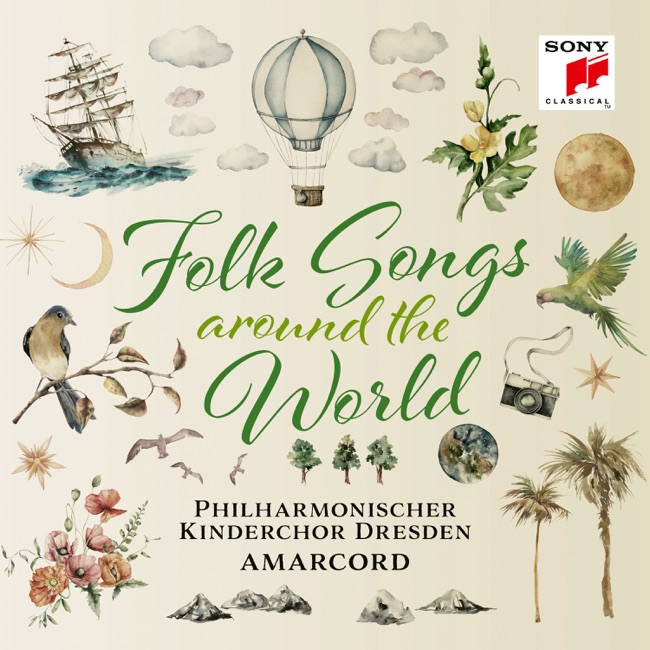 November 3, 2023
 -
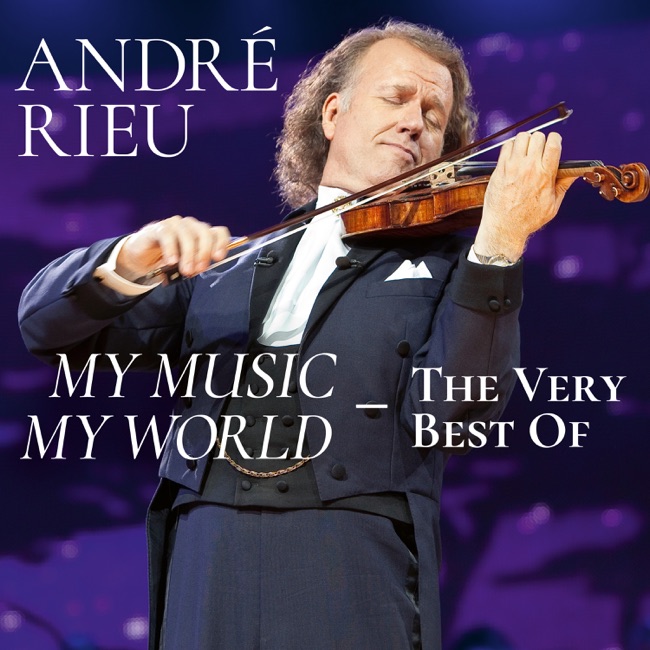 September 20, 2019
 -
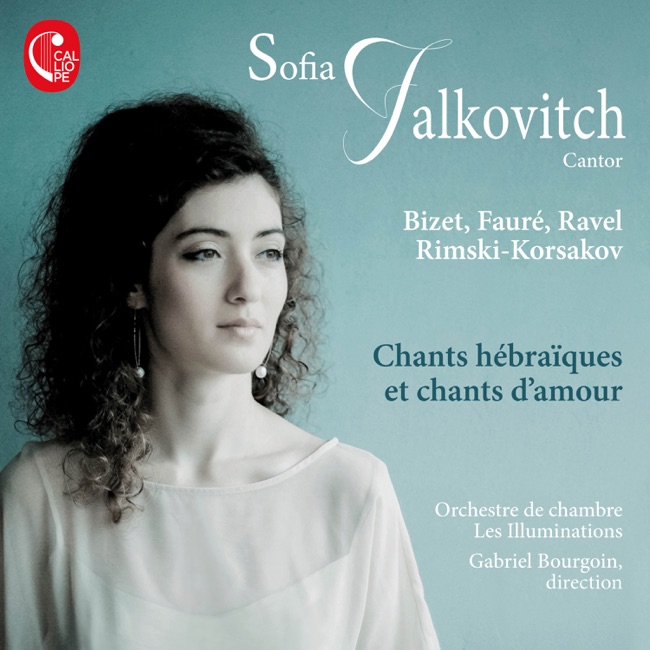 July 7, 2017
 -
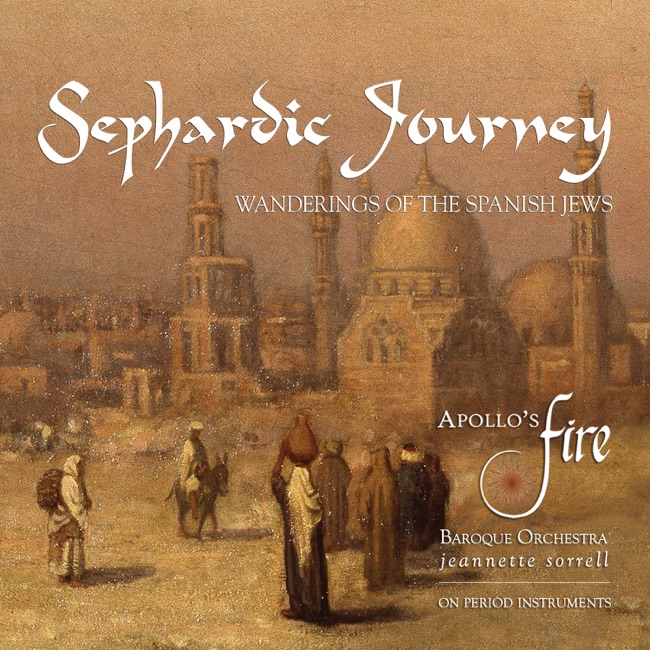 March 4, 2016
 -
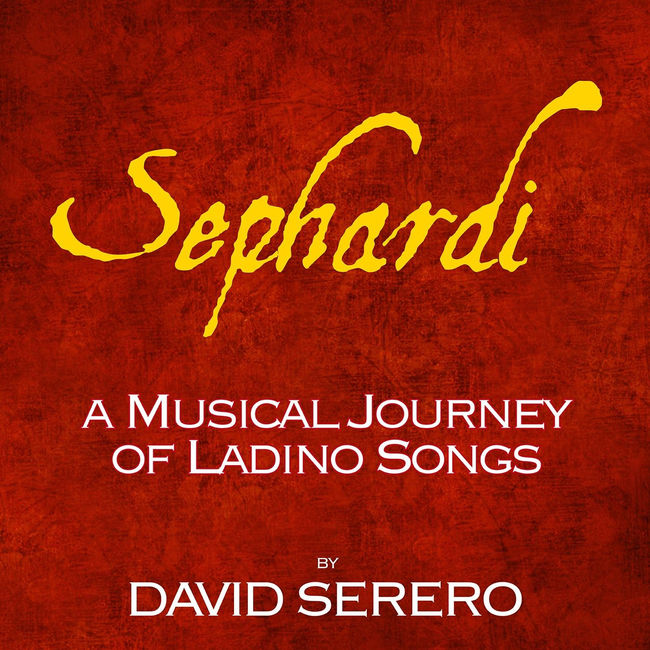 September 22, 2015
 -
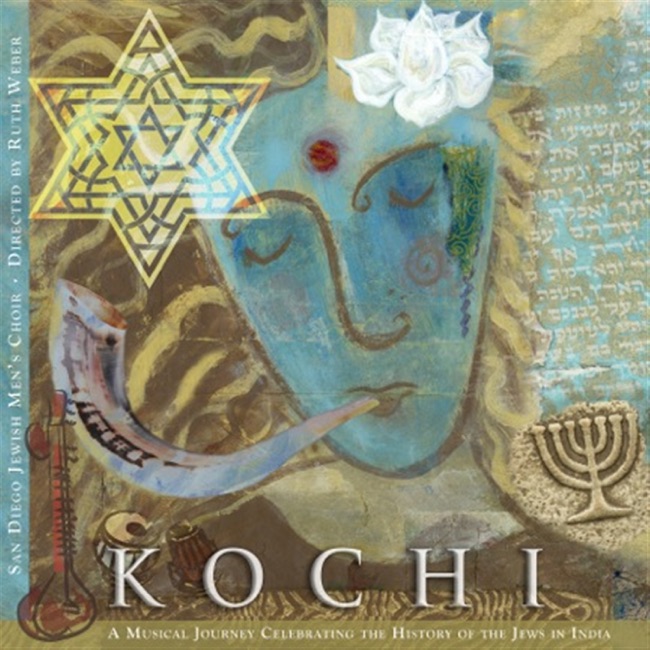 August 7, 2015
Miscellaneous
-
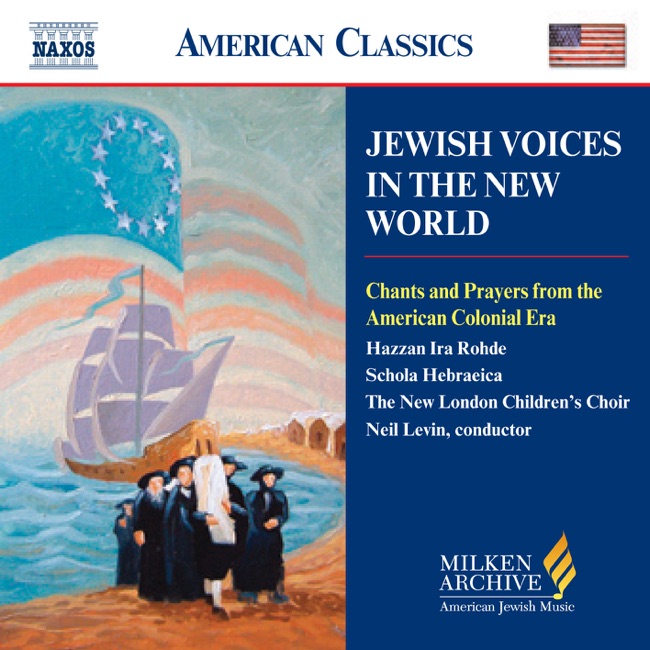 November 18, 2003
Choral
-
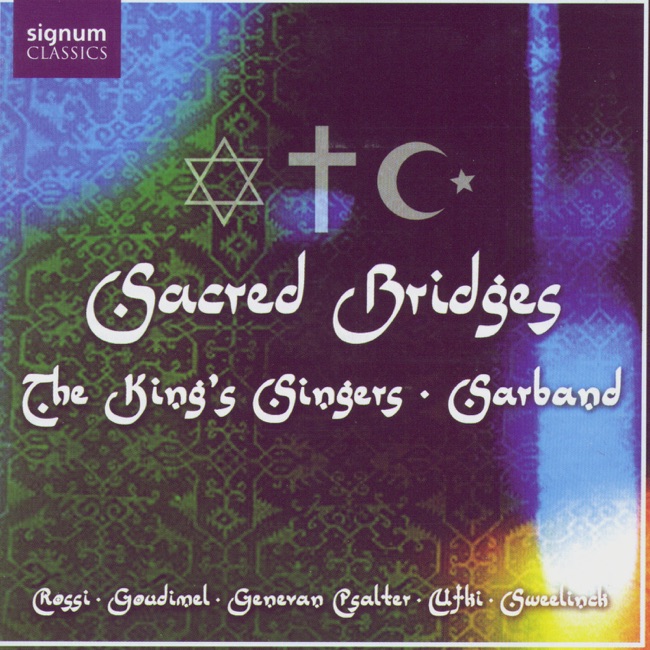 October 11, 2005
Artist Info
Role:ComposerGenre:VocalJewish Traditional is not a single composer, but rather a genre of music that encompasses the traditional music of the Jewish people. This music has been passed down through generations and has evolved over time, reflecting the experiences and cultural influences of Jewish communities around the world. The roots of Jewish music can be traced back to biblical times, with the Psalms serving as a source of inspiration for many Jewish musical traditions. Over time, Jewish music has been influenced by the cultures of the various countries where Jewish communities have lived, including Spain, Italy, Poland, and Russia. One of the most significant periods in the development of Jewish music was the Golden Age of Spain, which lasted from the 8th to the 15th century. During this time, Jewish musicians in Spain were able to freely express their cultural identity through music, and many of the most important works of Jewish music were composed. One of the most famous Jewish composers of this period was Solomon ibn Gabirol, who lived in the 11th century. He is best known for his poetry, but he also composed music, including hymns and songs that were sung in synagogues. Another important figure in the development of Jewish music was Salamone Rossi, who lived in Italy in the late 16th and early 17th centuries. Rossi was a court musician for the Gonzaga family in Mantua, and he composed music for both Jewish and Christian audiences. His music was groundbreaking in that it combined traditional Jewish melodies with the musical styles of the Italian Renaissance. In the 18th and 19th centuries, Jewish music continued to evolve as Jewish communities spread throughout Europe and the Americas. One of the most important composers of this period was Louis Lewandowski, who lived in Germany in the mid-19th century. Lewandowski was the music director at the Neue Synagoge in Berlin, and he composed many works that are still performed in synagogues today. One of Lewandowski's most famous works is the setting of Psalm 150, which is often sung during Jewish worship services. The piece is notable for its use of a choir, which was a departure from the traditional practice of having a cantor sing solo. In the 20th century, Jewish music continued to evolve as Jewish communities faced new challenges and opportunities. One of the most significant events in the history of Jewish music was the Holocaust, which had a profound impact on Jewish culture and music. Many Jewish musicians were killed during the Holocaust, and much of the music that had been passed down through generations was lost. However, some musicians were able to survive and continue to compose music in the aftermath of the Holocaust. One of the most famous Jewish composers of the post-Holocaust era was Leonard Bernstein, who was born in the United States in 1918. Bernstein was a prolific composer and conductor, and he was known for his ability to blend different musical styles and genres. Bernstein's most famous work is probably West Side Story, which is a modern retelling of Romeo and Juliet set in New York City. The musical features a blend of classical music, jazz, and Latin American rhythms, and it has become one of the most beloved musicals of all time. In addition to his work in musical theater, Bernstein also composed many works for the concert hall, including symphonies, operas, and choral works.More....
Recent Artist Music
13
3:17
Copyright Ⓒ 2013 Davinci Finger. All rights reseved
Service Terms & Policy