


Sem Dresden
Released Album
Chamber
-
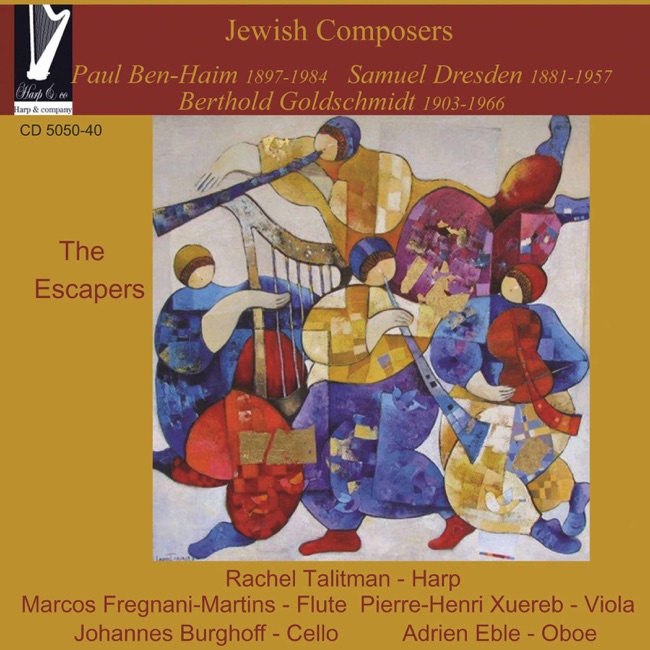
-
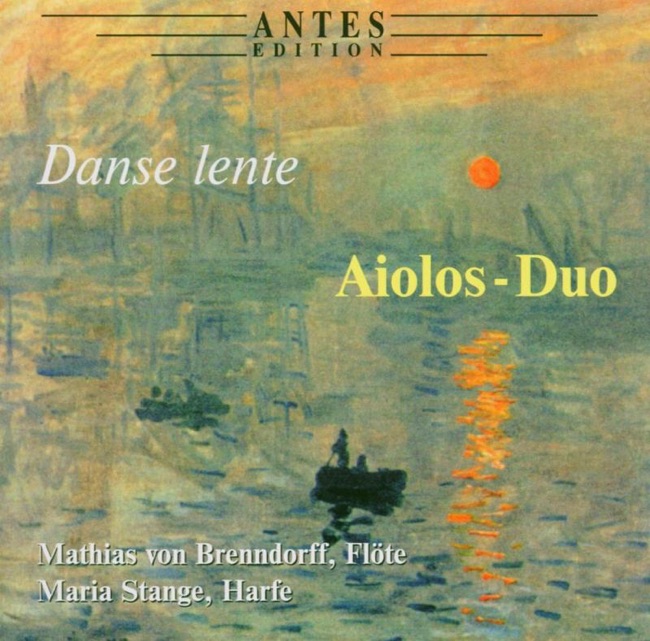 July 12, 2004
Artist Info
Role:ComposerBirth:1881Death:1957Period:ModernGenre:OrchestralSem Dresden was a Dutch composer and conductor who was born on October 6, 1881, in Rotterdam, Netherlands. He was the son of a music teacher and grew up in a musical family. His father, Johannes Dresden, was a well-known conductor and composer in the Netherlands, and his mother, Maria Dresden, was a pianist and singer. Dresden began his musical education at a young age, studying piano and violin with his father. He later attended the Rotterdam Conservatory, where he studied composition with Johan Wagenaar and conducting with Evert Cornelis. After completing his studies, Dresden worked as a conductor in various Dutch cities, including Rotterdam, The Hague, and Utrecht. In 1914, Dresden was appointed as the conductor of the Amsterdam Concertgebouw Orchestra, one of the most prestigious orchestras in the world. He held this position for 25 years, during which time he established himself as one of the leading conductors of his generation. He was known for his meticulous attention to detail and his ability to bring out the best in his musicians. As a composer, Dresden was influenced by the Romantic tradition, particularly the music of Richard Wagner and Gustav Mahler. His early works, such as the Symphony No. 1 in C minor (1910) and the opera De Wijze Kater (The Wise Cat, 1913), were characterized by lush harmonies and sweeping melodies. During World War I, Dresden served as a military bandmaster in the Dutch army. This experience had a profound impact on his music, and he began to incorporate elements of folk music and popular music into his compositions. His Symphony No. 2 in F major (1918) is a prime example of this style, with its use of Dutch folk melodies and dance rhythms. In the 1920s and 1930s, Dresden continued to compose prolifically, producing a wide range of works in various genres. He wrote several operas, including De Vliegende Hollander (The Flying Dutchman, 1923) and De Spiegelzaal (The Hall of Mirrors, 1935), as well as numerous orchestral works, chamber music pieces, and songs. One of Dresden's most famous works is his Concerto for Orchestra (1939), which was commissioned by the Amsterdam Concertgebouw Orchestra. This piece is a showcase for the virtuosity of the individual players in the orchestra, with each section of the orchestra given a chance to shine. The piece is also notable for its use of jazz and popular music elements, which were unusual in classical music at the time. During World War II, Dresden was forced to go into hiding due to his Jewish heritage. He continued to compose during this time, but his music was not performed publicly. After the war, he returned to his position as conductor of the Amsterdam Concertgebouw Orchestra, where he remained until his retirement in 1949. Dresden's later works, such as the Symphony No. 3 in E flat major (1946) and the String Quartet No. 2 (1950), are more introspective and reflective than his earlier works. They are characterized by a more austere style and a greater emphasis on counterpoint and formal structure. Sem Dresden died on March 28, 1957, in Amsterdam, Netherlands. He left behind a legacy as one of the most important Dutch composers of the 20th century, as well as a respected conductor and music educator. His music continues to be performed and recorded today, and his influence can be heard in the work of many contemporary composers.More....
Copyright Ⓒ 2013 Davinci Finger. All rights reseved
Service Terms & Policy