


Jaime Ovalle
Released Album
Vocal
-
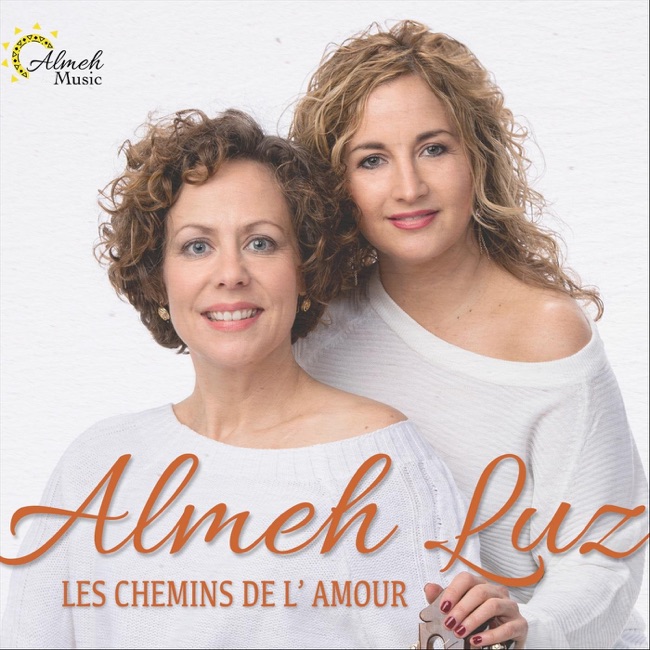 April 9, 2020
 -
 March 9, 2016
 -
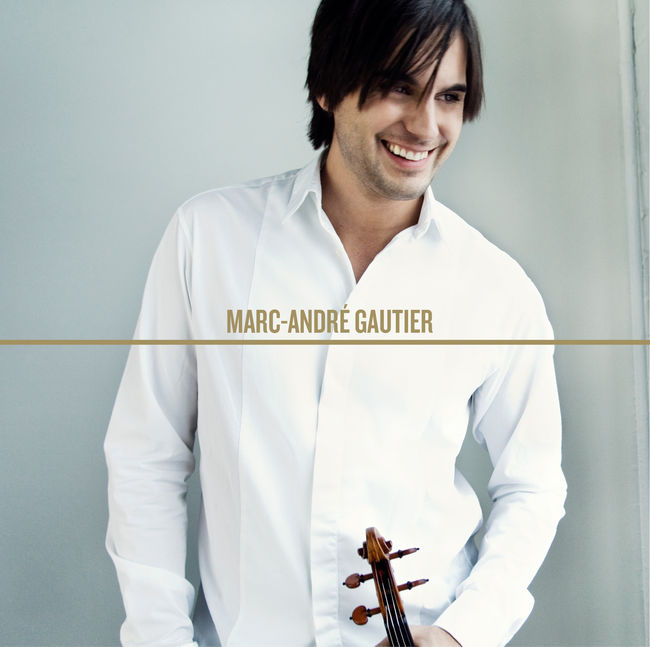 May 4, 2010
 -
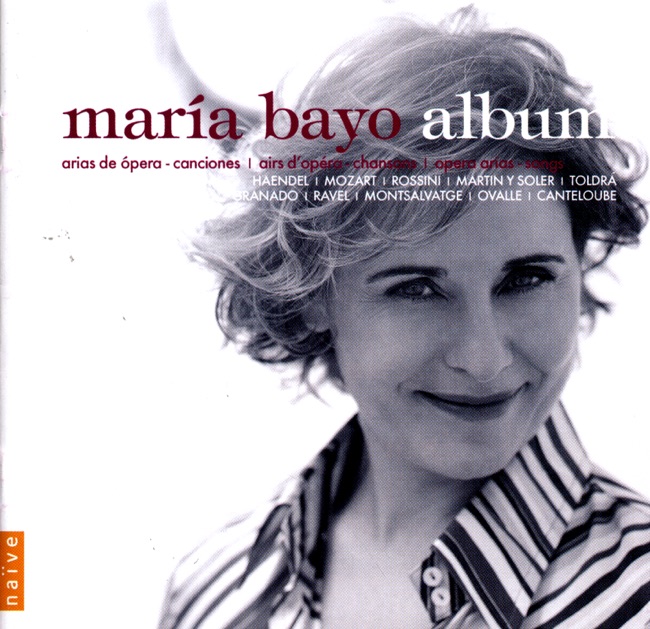 January 2, 2007
 -
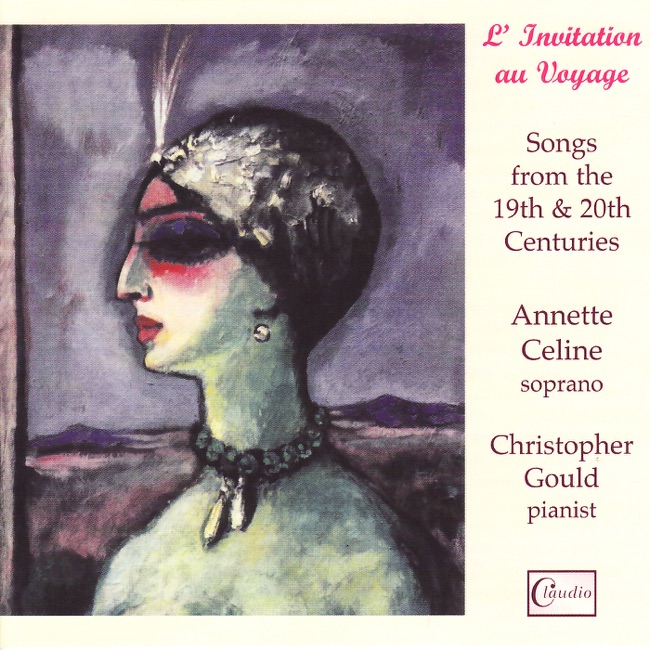 January 4, 2005
 -
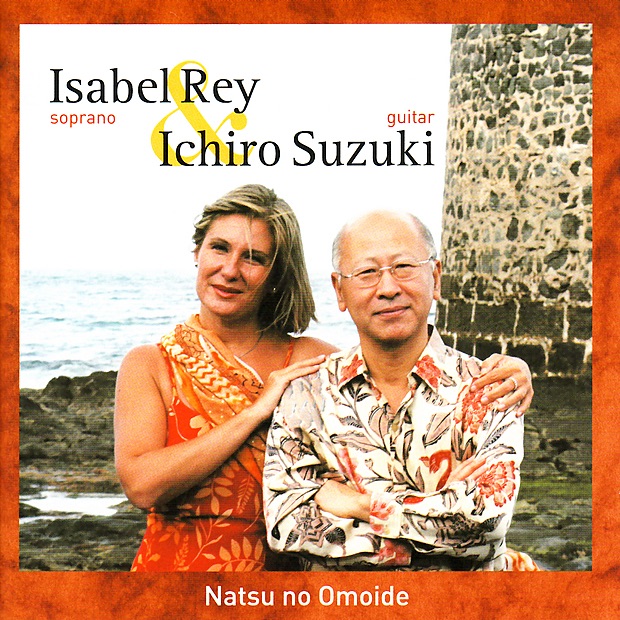 September 7, 2004
Miscellaneous
-
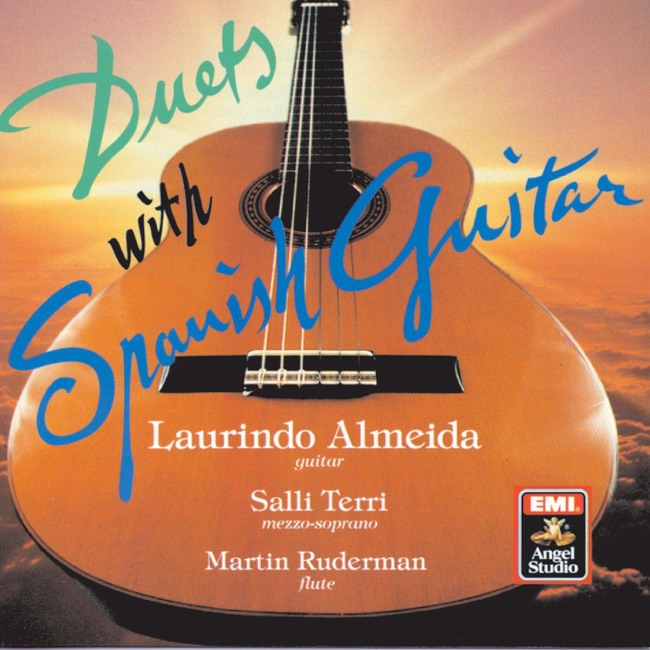 July 1, 1991
Artist Info
Role:ComposerBirth:1894Death:1955Period:RomanticGenre:VocalJaime Ovalle was a Brazilian classical music composer who was born on December 22, 1894, in the city of Belém, located in the northern region of Brazil. He was the son of a Portuguese father and a Brazilian mother, and he grew up in a family that was passionate about music. His father was a music teacher, and his mother was a pianist, which meant that Ovalle was exposed to music from a very young age. Ovalle began his musical studies at the age of six, when he started taking piano lessons with his mother. He showed a natural talent for music, and by the age of 12, he was already composing his own pieces. In 1910, he moved to Rio de Janeiro to continue his studies, and he enrolled in the National Institute of Music, where he studied composition with Francisco Braga and piano with Henrique Oswald. During his time at the National Institute of Music, Ovalle became interested in Brazilian folk music, and he started incorporating elements of it into his compositions. He was particularly drawn to the music of the northeastern region of Brazil, which was characterized by its use of percussion instruments and its lively rhythms. Ovalle was one of the first Brazilian composers to incorporate these elements into his classical compositions, and he became known for his unique blend of classical and folk music. In 1917, Ovalle graduated from the National Institute of Music, and he began working as a music teacher. He also continued to compose, and in 1921, he won first prize in a national competition for his composition "Cantiga de Ninar." This piece, which was based on a traditional lullaby from the northeastern region of Brazil, became one of Ovalle's most famous works. Throughout the 1920s and 1930s, Ovalle continued to compose and perform, and he became one of the most respected composers in Brazil. He was particularly known for his vocal music, which often featured lyrics by some of Brazil's most famous poets. He also continued to incorporate elements of Brazilian folk music into his compositions, and he became a leading figure in the movement to create a distinctively Brazilian style of classical music. One of Ovalle's most famous works is his "Ciclo Brasileiro," which he composed in 1933. This piece is a suite of four pieces for piano, and each piece is based on a different Brazilian folk song. The first piece, "Plantio do Caboclo," is based on a song from the Amazon region of Brazil, and it features a lively rhythm and a melody that is reminiscent of the sound of a flute. The second piece, "Impressões Seresteiras," is based on a song from the northeastern region of Brazil, and it features a slow, melancholy melody that is played on the piano. The third piece, "Festa no Sertão," is based on a song from the interior of Brazil, and it features a lively rhythm and a melody that is played on the piano and the percussion instruments. The final piece, "Dança do Índio Branco," is based on a song from the southern region of Brazil, and it features a fast, energetic rhythm and a melody that is played on the piano and the percussion instruments. Another one of Ovalle's famous works is his "Modinha," which he composed in 1922. This piece is a song for voice and piano, and it features lyrics by the famous Brazilian poet Manuel Bandeira. The melody of the song is based on a traditional Brazilian folk song, and it is characterized by its slow, melancholy rhythm and its haunting melody.More....
Recent Artist Music

Copyright Ⓒ 2013 Davinci Finger. All rights reseved
Service Terms & Policy