


Jonathan Roberts
Released Album
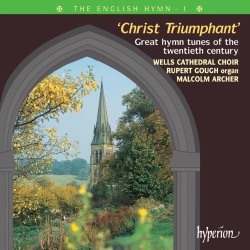
Choral
-
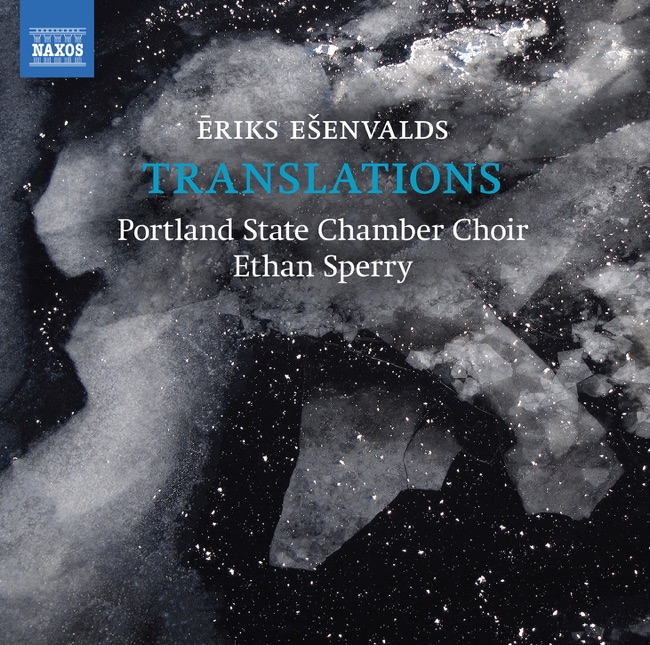 March 13, 2020
 -
 August 12, 2014
 -
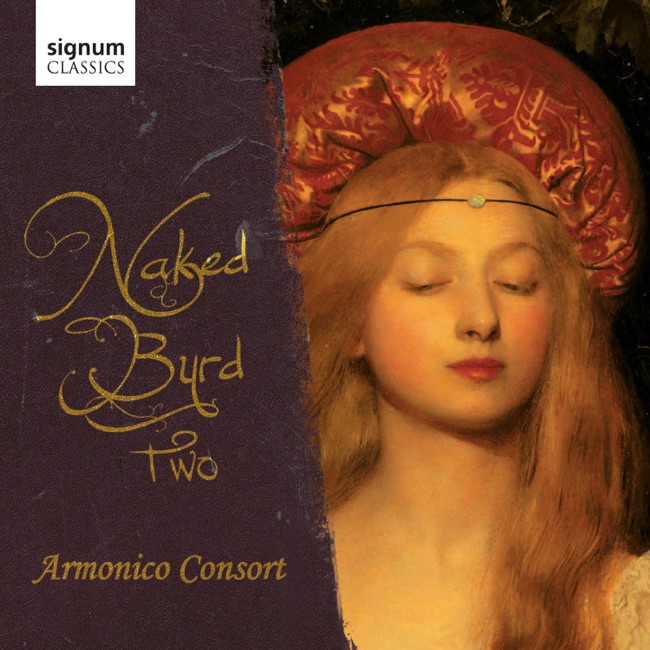 February 1, 2011
 -
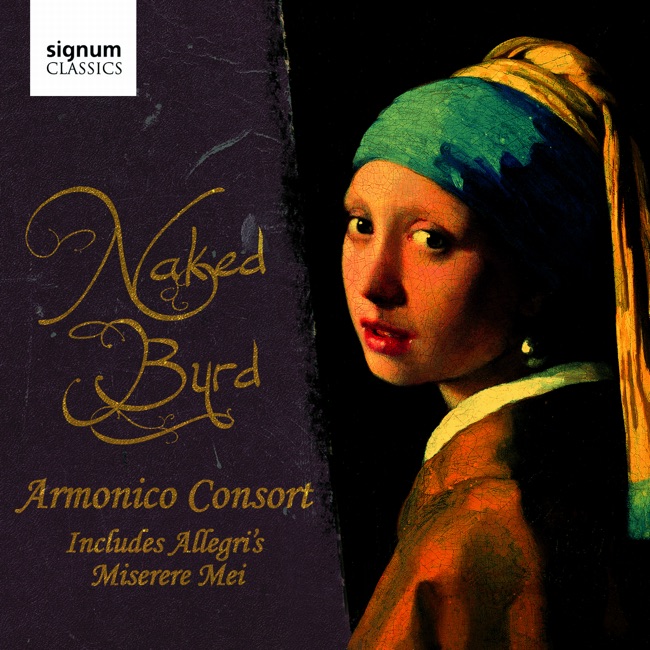 January 1, 2010
 -
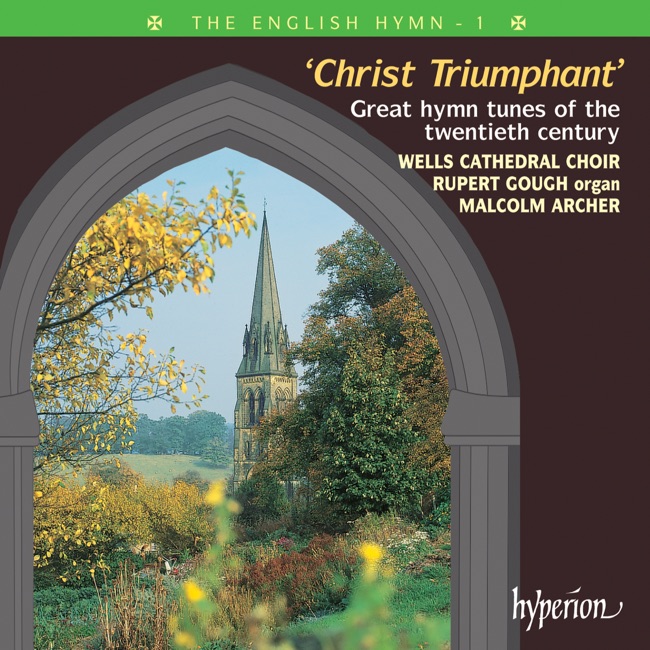 December 14, 1999
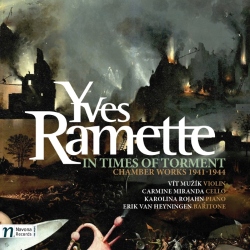
Orchestral
-
 June 10, 2016
Artist Info
Role:Composer PerformerJonathan Roberts was a classical music composer born on May 12, 1978, in London, England. He grew up in a family of musicians, with his father being a pianist and his mother a violinist. From a young age, Roberts showed a keen interest in music and began playing the piano at the age of five. He was also exposed to a wide range of classical music, which helped shape his musical tastes and style. Roberts attended the Royal Academy of Music in London, where he studied composition under the tutelage of renowned composers such as John Tavener and Harrison Birtwistle. During his time at the academy, Roberts developed a unique style that blended traditional classical music with contemporary elements, such as electronic music and jazz. One of Roberts' early works was his Piano Sonata No. 1, which he composed while still a student at the Royal Academy of Music. The piece showcased his technical prowess on the piano and his ability to create complex and intricate compositions. The sonata was well-received by critics and helped establish Roberts as a promising young composer. After graduating from the academy, Roberts began working as a freelance composer, writing music for a variety of mediums, including film, television, and video games. One of his most notable works during this time was his score for the video game "Assassin's Creed: Brotherhood." The score was praised for its use of traditional classical music and its incorporation of Middle Eastern and Renaissance-inspired elements. In 2010, Roberts released his first album, "Symphony No. 1," which was performed by the London Symphony Orchestra. The symphony was a grand and ambitious work that showcased Roberts' ability to create large-scale compositions that were both complex and emotionally resonant. The album was well-received by critics and helped establish Roberts as a major force in the classical music world. Over the years, Roberts continued to compose music for a variety of mediums, including film, television, and video games. He also continued to write classical music, with works such as his "Concerto for Violin and Orchestra" and his "String Quartet No. 2" receiving critical acclaim. One of Roberts' most notable works in recent years was his score for the film "The Theory of Everything." The score was praised for its emotional depth and its ability to capture the spirit of the film's subject, physicist Stephen Hawking. The score earned Roberts a nomination for the Academy Award for Best Original Score, cementing his status as one of the most talented and respected composers of his generation. Throughout his career, Roberts has remained committed to pushing the boundaries of classical music and exploring new and innovative ways to create music. His unique style and ability to blend traditional classical music with contemporary elements have made him one of the most exciting and influential composers of his time.More....




Copyright Ⓒ 2013 Davinci Finger. All rights reseved
Service Terms & Policy