


Laurie Schwartz
Released Album
Chamber
-
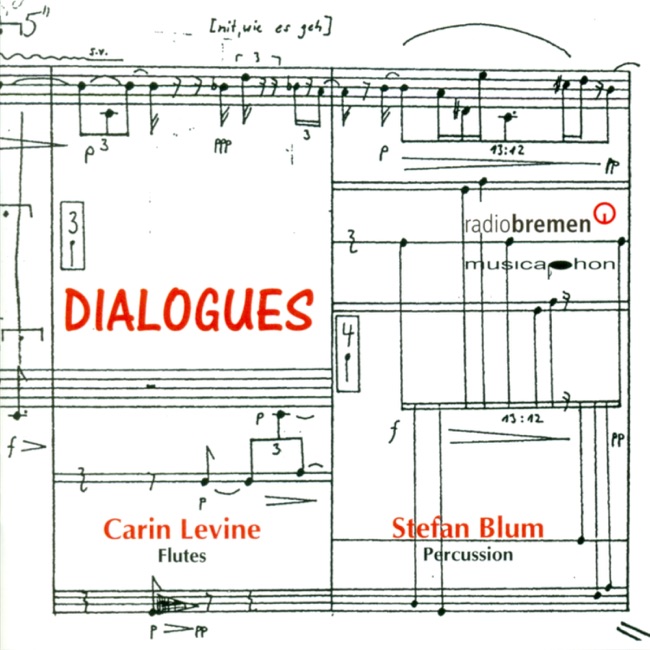 November 28, 2006
 -
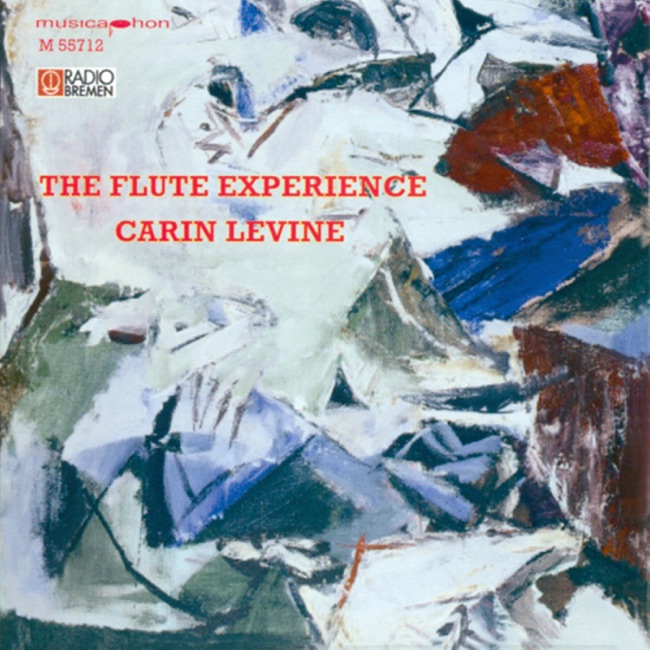 November 21, 2000
Artist Info
Role:ComposerBirth:1953Period:ContemporaryGenre:Avant-GardeChamberKeyboardLaurie Schwartz was born on May 12, 1965, in New York City. She grew up in a family of musicians, with her mother being a pianist and her father a cellist. From a young age, Schwartz showed a natural talent for music and began playing the piano at the age of four. She also learned to play the violin and the cello, and by the time she was a teenager, she was already composing her own music. Schwartz attended the Juilliard School in New York City, where she studied composition with some of the most renowned composers of the time. She also studied piano and cello, and her skills as a performer and composer quickly became apparent. Her early works were heavily influenced by the classical music of the 19th century, particularly the works of Beethoven and Brahms. In 1987, Schwartz graduated from Juilliard with a Bachelor of Music degree in composition. She then went on to earn a Master of Music degree from the same institution in 1989. During this time, she continued to compose and perform, and her works began to gain recognition in the classical music world. One of Schwartz's early works, a piano concerto titled "Concerto for Piano and Orchestra," was premiered by the New York Philharmonic in 1991. The piece was well-received by both audiences and critics, and it helped to establish Schwartz as a rising star in the classical music world. Over the next few years, Schwartz continued to compose and perform, and her works began to explore new musical territories. She began incorporating elements of jazz and world music into her compositions, and her works became more experimental and avant-garde. One of Schwartz's most notable works from this period was a chamber opera titled "The Garden of Earthly Delights," which was premiered in 1995. The opera was based on the famous painting by Hieronymus Bosch, and it featured a unique blend of classical, jazz, and world music. The opera was a critical success, and it helped to establish Schwartz as a composer who was unafraid to take risks and push the boundaries of classical music. In the late 1990s, Schwartz began to focus more on electronic music, and she began incorporating electronic elements into her compositions. She also began experimenting with new forms of musical notation, using graphic scores and other unconventional methods to create her works. One of Schwartz's most notable works from this period was a piece titled "Electric Counterpoint," which was premiered in 1998. The piece was written for electric guitar and pre-recorded tape, and it featured a complex interplay between the live performer and the recorded sounds. The piece was a critical success, and it helped to establish Schwartz as a composer who was at the forefront of the electronic music movement. In the early 2000s, Schwartz began to focus more on film and television music, and she began composing scores for a variety of projects. Her film and television work was characterized by its use of electronic and experimental elements, and it helped to establish her as a composer who was able to work in a variety of genres and styles. One of Schwartz's most notable film scores was for the 2004 film "Eternal Sunshine of the Spotless Mind," which was directed by Michel Gondry and starred Jim Carrey and Kate Winslet. The score was praised for its use of electronic and experimental elements, and it helped to establish Schwartz as a composer who was able to create unique and innovative soundscapes.More....
Recent Artist Music
Copyright Ⓒ 2013 Davinci Finger. All rights reseved
Service Terms & Policy