


Ludolf Nielsen
Released Album
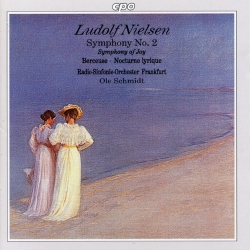
Symphony
-
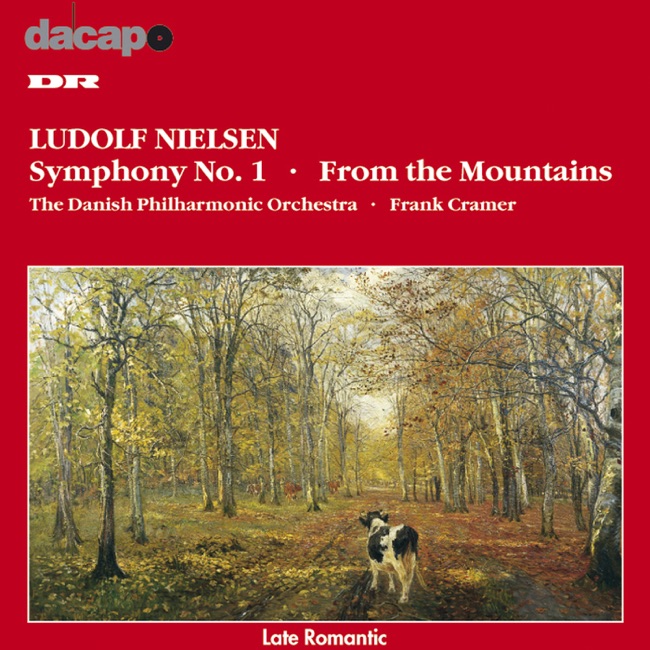 January 1, 1999
 -
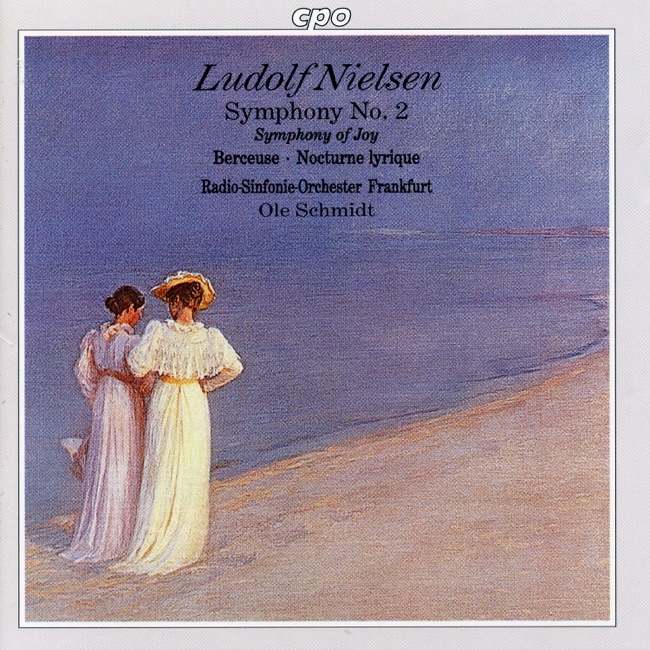 September 17, 1996
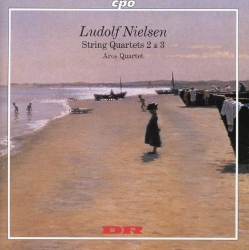
Chamber
-
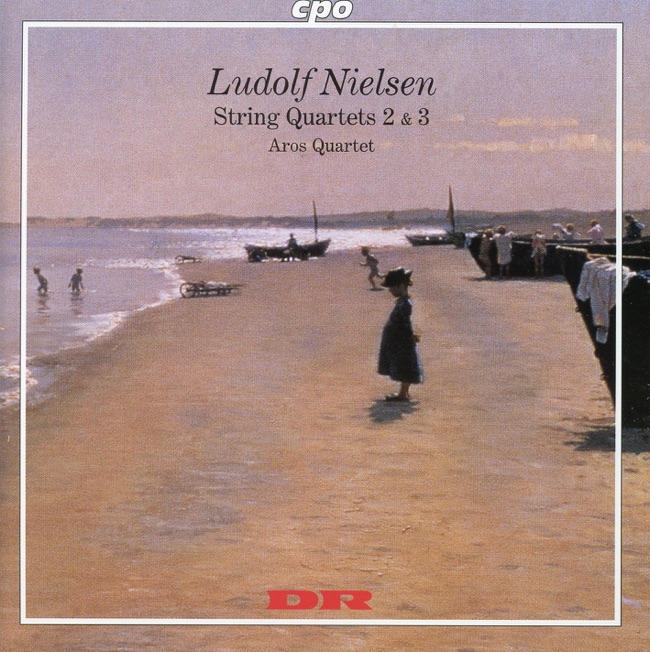 January 1, 2003
Artist Info
Role:ComposerCountry: DenmarkBirth:January 29, 1876 in Nørre Tvede, DenmarkDeath:October 16, 1939 in Copenhagen, DenmarkPeriod:ModernGenre:ConcertoOrchestralSymphonyLudolf Nielsen was a Danish composer born on January 29, 1876, in Nørre Alslev, Denmark. He was the son of a schoolteacher and grew up in a musical family. His father played the organ and his mother sang in the church choir. Nielsen showed an early interest in music and began playing the piano at a young age. Nielsen's musical education began at the age of 14 when he was sent to study at the Royal Danish Academy of Music in Copenhagen. He studied piano, organ, and composition under some of the most prominent Danish musicians of the time, including Niels Gade and Johan Svendsen. Nielsen was a talented student and won several awards during his time at the academy. After completing his studies, Nielsen worked as a church organist and music teacher in various towns in Denmark. In 1902, he was appointed as the organist at the Church of Our Lady in Aarhus, where he remained for the rest of his life. During his time in Aarhus, Nielsen became an important figure in the city's musical life, organizing concerts and promoting the work of local musicians. Nielsen's compositions were influenced by the Romantic tradition, but he also incorporated elements of Danish folk music into his work. His early works, such as the Piano Sonata in F minor and the String Quartet in G minor, show the influence of Brahms and other German composers. However, as Nielsen matured as a composer, he began to develop his own distinctive style. One of Nielsen's most famous works is his Symphony No. 1, which he composed in 1898. The symphony is a large-scale work that shows Nielsen's mastery of orchestration and his ability to create powerful musical climaxes. The symphony was well-received by audiences and critics alike and helped establish Nielsen as one of Denmark's leading composers. Nielsen's other orchestral works include two more symphonies, a violin concerto, and several tone poems. His tone poems, such as Helios and Saga-drøm, are particularly notable for their vivid depictions of nature and their use of folk melodies. In addition to his orchestral works, Nielsen also composed chamber music, choral music, and songs. His String Quartet No. 2, which he composed in 1919, is considered one of his finest works in this genre. The quartet is notable for its use of Danish folk melodies and its complex harmonies. Nielsen's choral music includes several cantatas and oratorios, as well as smaller works for choir and organ. His oratorio, Hymnus Amoris, is a large-scale work that combines elements of choral music, opera, and symphonic music. The work was premiered in 1922 and was well-received by audiences and critics. Despite his success as a composer, Nielsen struggled with depression and alcoholism throughout his life. He died on October 9, 1939, in Aarhus, at the age of 63. Today, he is remembered as one of Denmark's most important composers and his music continues to be performed and recorded around the world.More....
Recent Artist Music
Copyright Ⓒ 2013 Davinci Finger. All rights reseved
Service Terms & Policy