


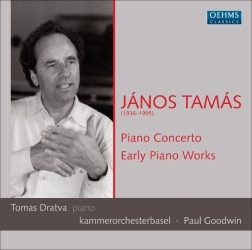
Janos Tamas
Released Album
Keyboard
-
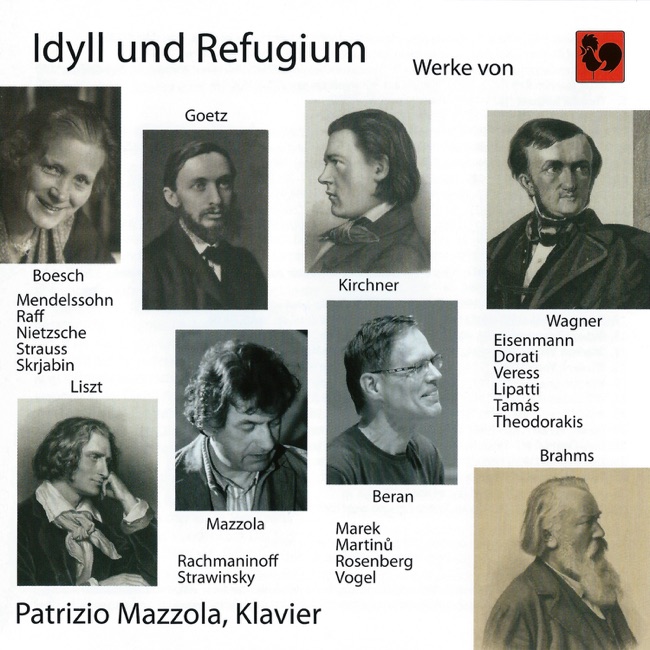 November 11, 2014
 -
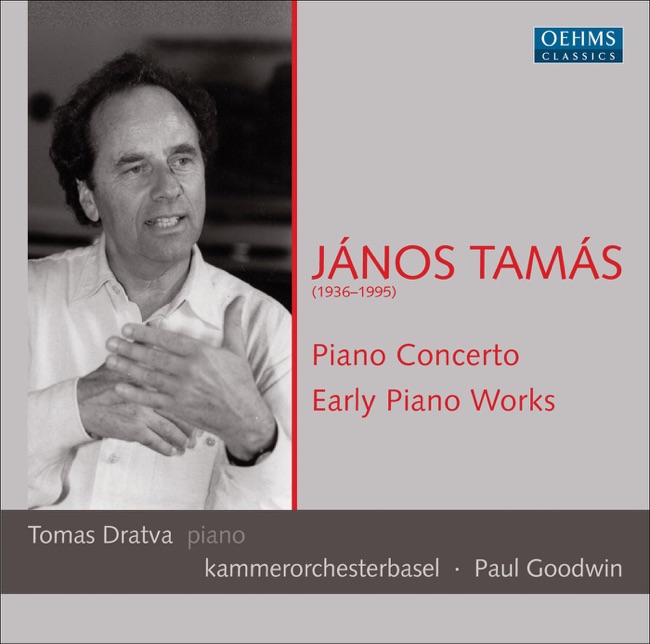 April 27, 2010
Orchestral
-
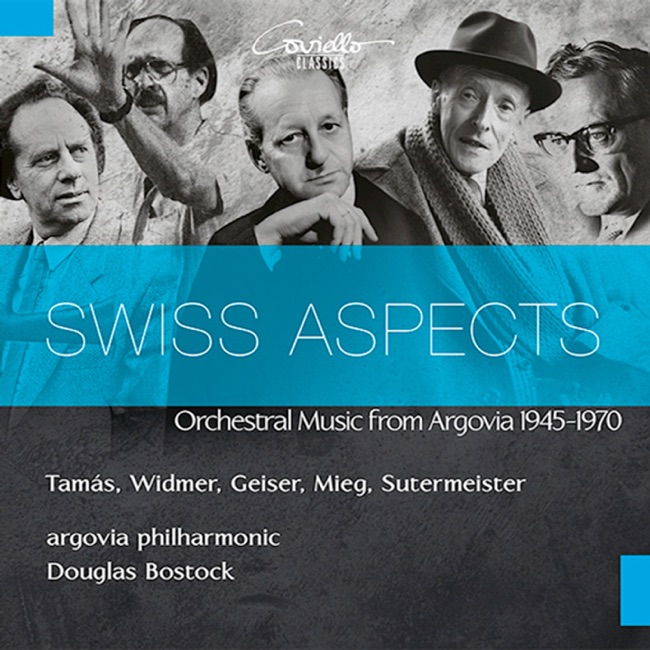 December 9, 2013
Chamber
-
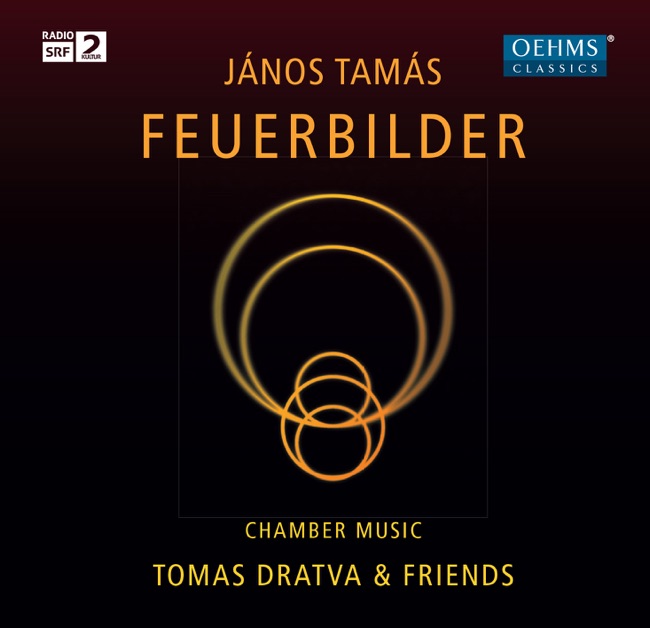 November 11, 2014
Artist Info
Role:ComposerBirth:1936Death:1995Genre:VocalJanos Tamas was a Hungarian composer who was born on January 12, 1932, in Budapest, Hungary. He was the youngest of three children born to a family of musicians. His father was a violinist, and his mother was a pianist. From a young age, Tamas showed a great interest in music, and his parents encouraged him to pursue his passion. Tamas began his musical education at the Franz Liszt Academy of Music in Budapest, where he studied composition with Zoltan Kodaly and conducting with Janos Ferencsik. He graduated from the academy in 1956 and went on to become a professor of composition at the same institution. Tamas's early works were heavily influenced by the folk music of Hungary, and he often incorporated traditional Hungarian melodies and rhythms into his compositions. His first major work, the Symphony No. 1, was premiered in 1958 and was well-received by audiences and critics alike. The symphony showcased Tamas's skill as a composer and his ability to blend traditional Hungarian music with modern compositional techniques. Throughout the 1960s and 1970s, Tamas continued to compose works that were inspired by Hungarian folk music. His compositions during this period included several operas, ballets, and orchestral works. One of his most famous works from this period is the ballet "The Miraculous Mandarin," which was based on a story by Bela Balazs. The ballet was controversial when it was first performed in 1926, and Tamas's version, which premiered in 1966, was no less controversial. The ballet was banned by the Hungarian government for several years due to its violent and sexually explicit content. In the 1980s, Tamas's style began to evolve, and he began to incorporate more modern compositional techniques into his works. His compositions during this period were more experimental and often featured electronic instruments and unconventional instrumentation. One of his most famous works from this period is the "Concerto for Cimbalom and Orchestra," which was premiered in 1983. The concerto featured the cimbalom, a traditional Hungarian instrument, and showcased Tamas's ability to blend traditional and modern musical elements. Tamas continued to compose throughout the 1990s and early 2000s, and his later works were characterized by a more introspective and contemplative style. His compositions during this period often featured sparse instrumentation and a focus on melody and harmony. One of his most famous works from this period is the "String Quartet No. 4," which was premiered in 1998. The quartet is a haunting and introspective work that showcases Tamas's ability to create powerful emotional landscapes through his music. Throughout his career, Tamas received numerous awards and honors for his contributions to classical music. He was awarded the Kossuth Prize, Hungary's highest cultural honor, in 1973 and was named a People's Artist of Hungary in 1982. He was also a member of the Hungarian Academy of Arts and Sciences and was awarded the Bartok-Pasztory Prize in 2002. Janos Tamas passed away on December 15, 2009, at the age of 77. He left behind a legacy of innovative and powerful compositions that continue to inspire and captivate audiences around the world. His music remains an important part of the classical music canon and serves as a testament to the enduring power of Hungarian folk music and the creative spirit of one of Hungary's greatest composers.More....
Recent Artist Music


Copyright Ⓒ 2013 Davinci Finger. All rights reseved
Service Terms & Policy