


Antoine Tisné
Released Album
Chamber
-
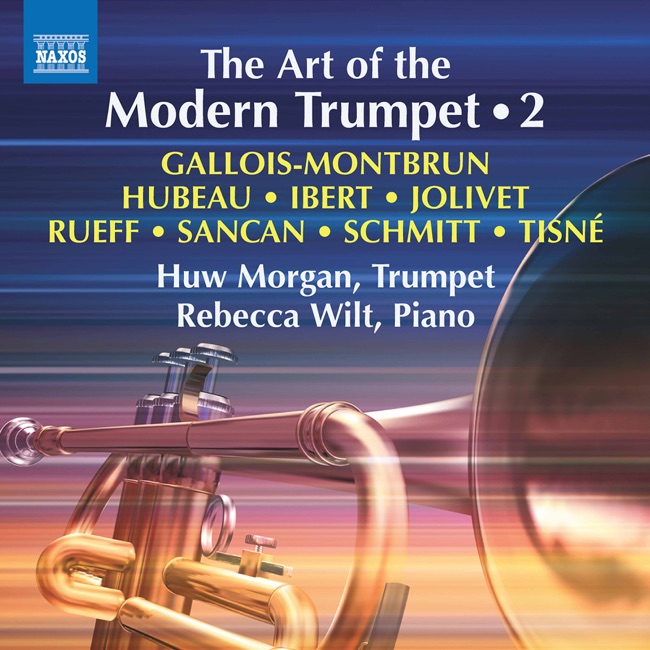 February 26, 2021
 -
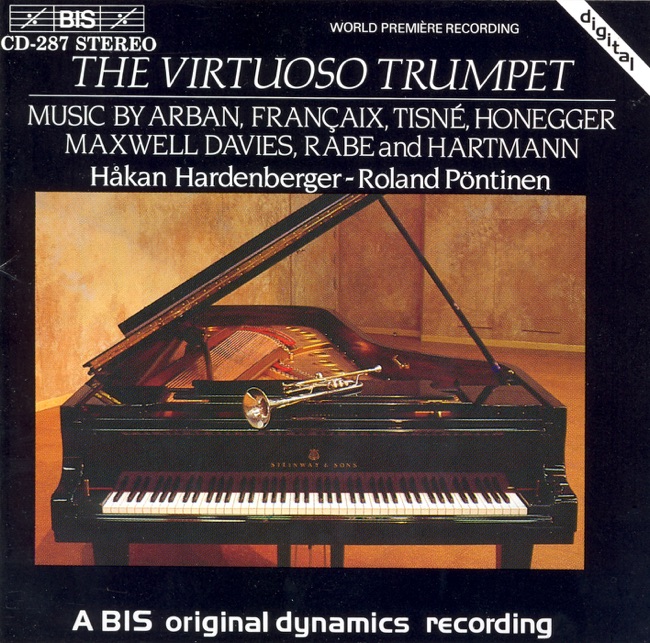 September 22, 1994
Artist Info
Role:ComposerBirth:November 29, 1932Period:ModernGenre:ChamberKeyboardOrchestralAntoine Tisné was a French composer born on March 12, 1932, in Paris, France. He was the son of a composer and conductor, and his mother was a pianist. Tisné grew up in a musical family and began playing the piano at a young age. He studied at the Paris Conservatory, where he was a student of Olivier Messiaen and Darius Milhaud. Tisné's early works were influenced by the avant-garde movement, and he was associated with the group of composers known as the "Jeune France" (Young France) movement. This group included Pierre Boulez, Karlheinz Stockhausen, and Luigi Nono, among others. Tisné's early works were characterized by their use of serialism and atonality. In the 1960s, Tisné began to move away from the avant-garde and towards a more tonal style. He was influenced by the music of Bach, Mozart, and Beethoven, and his works began to incorporate more traditional forms and structures. Tisné's music from this period is characterized by its clarity and simplicity, and it often features a strong sense of melody. One of Tisné's most famous works is his "Concerto for Piano and Orchestra," which was composed in 1962. The concerto is in three movements and features a virtuosic piano part. The work is notable for its use of tonality and its incorporation of traditional forms, such as the sonata form. Another notable work by Tisné is his "Symphony No. 2," which was composed in 1972. The symphony is in four movements and features a large orchestra. The work is characterized by its use of tonality and its incorporation of traditional forms, such as the fugue. Tisné's later works continued to explore tonality and traditional forms. He was particularly interested in the music of the Baroque period, and his works often feature elements of Baroque music, such as counterpoint and ornamentation. Tisné was also a prolific composer of chamber music. His works for chamber ensembles often feature a strong sense of melody and a clear sense of form. One of his most famous works for chamber ensemble is his "Quintet for Piano and Strings," which was composed in 1964. In addition to his work as a composer, Tisné was also a teacher. He taught at the Paris Conservatory and was a professor of composition at the École Normale de Musique de Paris. Many of his students went on to become successful composers in their own right. Tisné died on January 21, 1998, in Paris, France. He left behind a legacy of music that continues to be performed and admired today. His works are notable for their clarity, simplicity, and strong sense of melody, as well as their incorporation of traditional forms and structures.More....
Copyright Ⓒ 2013 Davinci Finger. All rights reseved
Service Terms & Policy