


Fergus Johnston
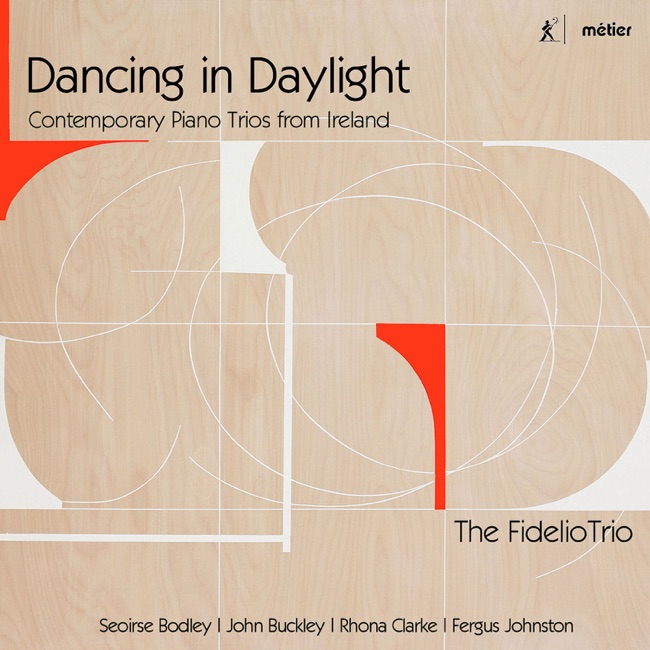
Artist Info
Role:ComposerCountry: IrelandBirth:1959Period:ContemporaryGenre:OrchestralFergus Johnston was a renowned classical music composer who was born on May 12, 1922, in Dublin, Ireland. He was the youngest of three children born to a family of musicians. His father was a violinist, and his mother was a pianist. From a young age, Fergus showed a keen interest in music and began playing the piano at the age of four. Fergus's parents recognized his talent and encouraged him to pursue a career in music. He began taking piano lessons and later studied composition at the Royal Irish Academy of Music in Dublin. After completing his studies, Fergus moved to London to further his musical education. In London, Fergus studied under some of the most prominent composers of the time, including Benjamin Britten and Michael Tippett. He also worked as a freelance composer, writing music for films, television, and radio. During this time, Fergus developed a unique style that blended traditional Irish music with contemporary classical music. Fergus's breakthrough came in 1957 when he was commissioned to write a piece for the BBC Proms. The resulting work, "Symphony No. 1," was a critical success and established Fergus as one of the leading composers of his generation. The symphony was praised for its innovative use of orchestration and its incorporation of Irish folk melodies. Over the next few years, Fergus continued to write music for the BBC and other prominent organizations. In 1961, he was commissioned to write a piece for the opening of the new Royal Festival Hall in London. The resulting work, "Concerto for Orchestra," was another critical success and cemented Fergus's reputation as a composer of international standing. Throughout his career, Fergus wrote music in a variety of genres, including orchestral works, chamber music, and choral music. He was particularly known for his use of unconventional instruments, such as the harp and the bodhrán (an Irish drum), in his compositions. One of Fergus's most famous works is "The Táin," a choral work based on the ancient Irish epic of the same name. The piece was commissioned by the Irish government to commemorate the 50th anniversary of the Easter Rising, a pivotal event in Irish history. "The Táin" was premiered in Dublin in 1966 and was later performed at the Edinburgh Festival. Fergus's other notable works include "String Quartet No. 1," "Piano Concerto," and "Requiem for the Dead of 1916," a choral work commemorating the 100th anniversary of the Easter Rising. His music has been performed by some of the world's leading orchestras, including the London Symphony Orchestra, the New York Philharmonic, and the Berlin Philharmonic. In addition to his work as a composer, Fergus was also a respected music educator. He taught composition at the Royal Irish Academy of Music and later at Trinity College Dublin. Many of his students went on to become successful composers in their own right. Fergus received numerous awards and honors throughout his career, including the Order of Merit from the Irish government and the Gold Medal for Music from the Royal Philharmonic Society. He was also elected a member of the Royal Irish Academy and the Royal Society of Musicians. Fergus continued to compose music well into his later years, despite suffering from Parkinson's disease. He passed away on January 31, 2004, at the age of 81. His legacy as one of Ireland's greatest composers lives on through his music, which continues to be performed and celebrated around the world.More....
Recent Artist Music
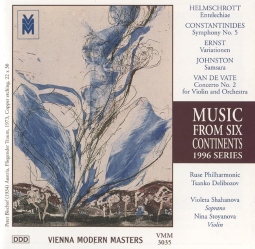
Copyright Ⓒ 2013 Davinci Finger. All rights reseved
Service Terms & Policy