


Friedrich Ludwig Aemili Kunzen
Released Album
Opera
-
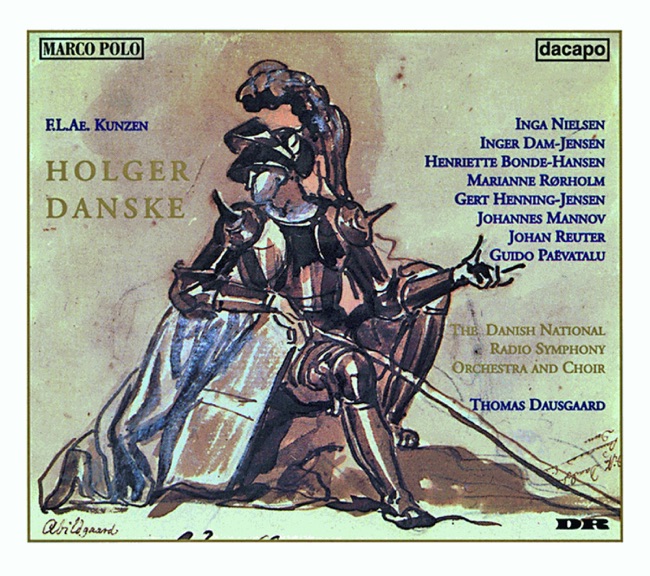 January 15, 1997
Keyboard
-
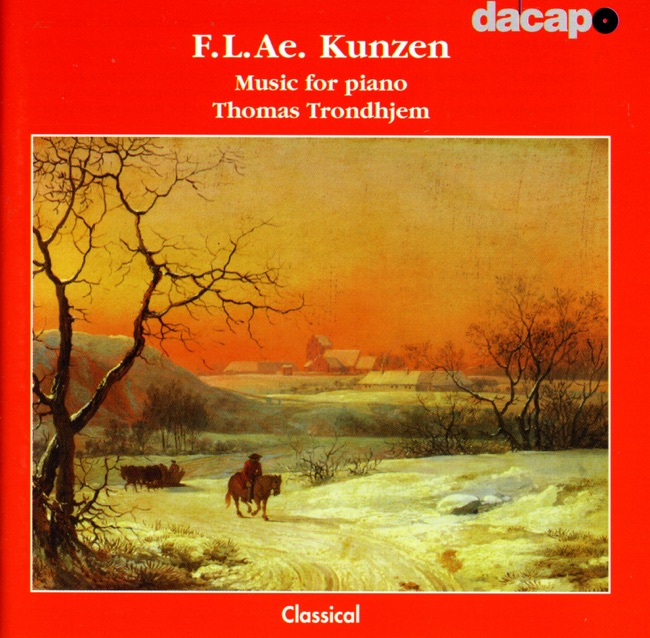 June 17, 2003
Artist Info
Role:ComposerCountry: GermanyBirth:September 4, 1761 in Lübeck, GermanyDeath:January 28, 1817 in Copenhagen, DenmarkGenre:KeyboardVocalFriedrich Ludwig Aemili Kunzen was a German-Danish composer who lived from 1761 to 1817. He was born in Lübeck, Germany, to a family of musicians. His father, Johann Kunzen, was a musician and composer, and his mother, Anna Margaretha, was a singer. Kunzen showed an early interest in music and began studying the violin and keyboard at a young age. Kunzen's musical education continued in Copenhagen, where he moved with his family in 1774. He studied with Johann Gottfried Müthel, a student of Johann Sebastian Bach, and later with Johann Abraham Peter Schulz, a composer and conductor. Kunzen also studied law at the University of Copenhagen, but his passion for music led him to pursue a career as a composer. Kunzen's early works were influenced by the classical style of Haydn and Mozart. He composed his first opera, "Almira," in 1781, which was well-received and led to further commissions. Kunzen's operas were known for their dramatic intensity and emotional depth, and he became one of the leading composers of his time. In 1789, Kunzen was appointed Kapellmeister at the Royal Danish Theatre in Copenhagen, where he remained for the rest of his life. He composed numerous operas, ballets, and other works for the theatre, including "Holger Danske," "Erik Ejegod," and "Hakon Jarl." Kunzen's music was popular with audiences and critics alike, and he was regarded as one of the most important composers of his time. Kunzen's music was also influenced by the Romantic movement, which was emerging in Europe during his lifetime. He incorporated elements of folk music and national identity into his compositions, which reflected the growing interest in national identity and cultural heritage. Kunzen's opera "Erik Ejegod" was particularly notable for its use of Danish folk music and themes. Kunzen's later works were more experimental and innovative, reflecting his interest in new musical forms and techniques. He composed a number of chamber music works, including string quartets and sonatas, which were well-received by critics. Kunzen also experimented with choral music, composing a number of cantatas and oratorios, including "The Resurrection" and "The Last Judgment." Kunzen's legacy as a composer is significant, both in Denmark and internationally. His music was influential in the development of Danish national identity and culture, and his operas and other works continue to be performed today. Kunzen's contributions to classical music are a testament to his talent and dedication to his craft.More....
Recent Artist Music
1
6:35
2
Musical Pastime for the Fair Sex
Theme and 5 variations on the romance "The Moon of Midnight Passed the Cloud" from "Erik Ejegod" in
3:1
4
5:30
Copyright Ⓒ 2013 Davinci Finger. All rights reseved
Service Terms & Policy