


Nicola Vaccai
Released Album
Opera
-
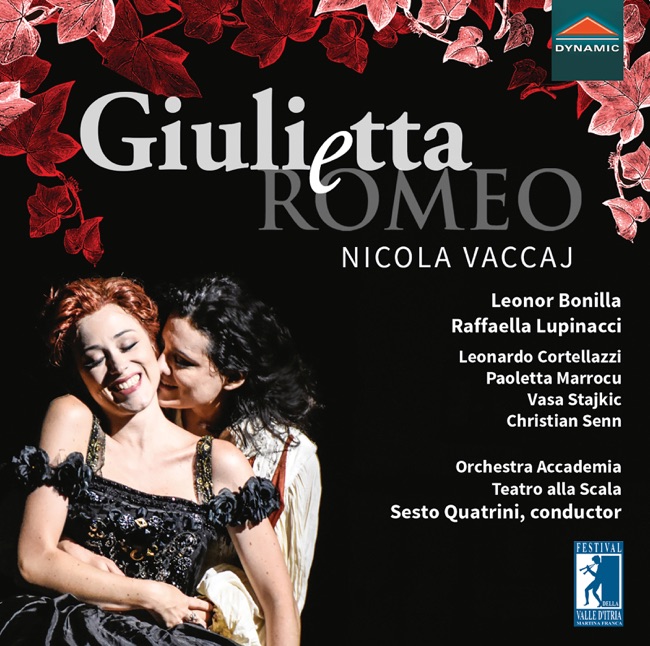 April 12, 2019
 -
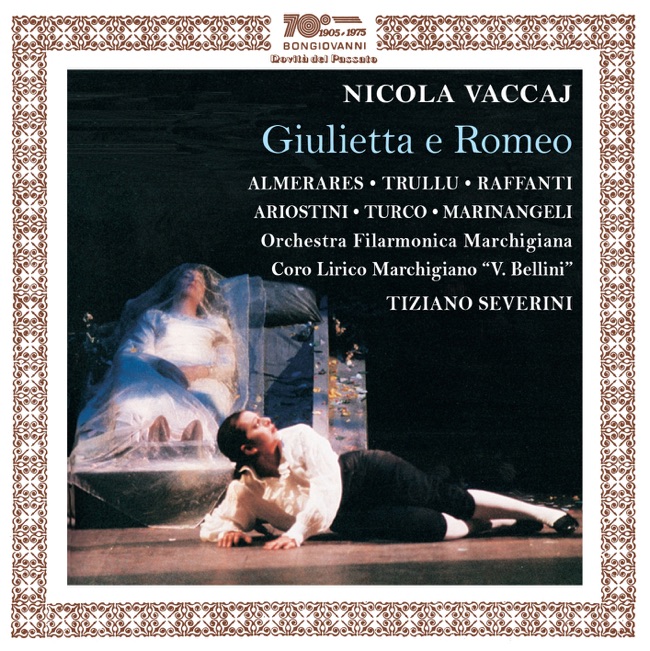 November 13, 2015
 -
Vocal
-
 November 5, 2001
 -
 July 24, 2001
Artist Info
Role:ComposerCountry: ItalyBirth:March 15, 1790Death:August 6, 1848Period:RomanticGenre:OperaVocalNicola Vaccai was an Italian composer and singing teacher who lived from 15 March 1790 to 5 or 6 August 1848. He was born in Tolentino, a small town in the Marche region of Italy. His father, Gaetano Vaccai, was a musician and composer who worked as the maestro di cappella (choirmaster) at the local cathedral. Nicola showed an early talent for music and began studying with his father at a young age. In 1806, at the age of 16, Vaccai moved to Naples to study at the Conservatorio di San Pietro a Majella. He studied composition with Giacomo Tritto and singing with Crescentini, a famous castrato singer. Vaccai's early compositions were influenced by the Neapolitan school of opera, which was known for its melodic richness and virtuosic vocal writing. In 1815, Vaccai moved to Rome, where he became a singing teacher and began to compose operas. His first opera, I solitari di Scozia, was premiered in Rome in 1818. The opera was a success and established Vaccai as a composer to watch. Over the next few years, Vaccai composed several more operas, including Giulietta e Romeo (1825) and La sposa di Messina (1829). Vaccai's operas were known for their beautiful melodies and expressive vocal writing. He was particularly skilled at writing for the soprano voice, and his arias for that voice type are still performed today. In addition to his operas, Vaccai also composed sacred music, including masses and motets. In 1830, Vaccai moved to Paris, where he continued to teach singing and compose operas. His most famous opera, Giulietta e Romeo, was performed at the Théâtre-Italien in Paris in 1832. The opera was a huge success and was performed throughout Europe. Vaccai's other operas, including La sposa di Messina and La pastorella feudataria (1834), were also well-received. In addition to his work as a composer, Vaccai was also a respected singing teacher. He wrote a famous method book for singers, Metodo pratico di canto italiano per camera (Practical Method of Italian Singing for the Chamber), which is still used today. The book emphasizes the importance of breath control, phrasing, and expression in singing. Vaccai died in Pesaro, Italy, in 1848. His legacy as a composer and singing teacher lives on, and his music continues to be performed and studied today. His operas, with their beautiful melodies and expressive vocal writing, are still enjoyed by audiences around the world. His method book for singers, which emphasizes the importance of technique and expression in singing, is still considered a valuable resource for singers and teachers. Nicola Vaccai was a talented composer and teacher who made significant contributions to the world of classical music.More....
Recent Artist Music
Copyright Ⓒ 2013 Davinci Finger. All rights reseved
Service Terms & Policy