


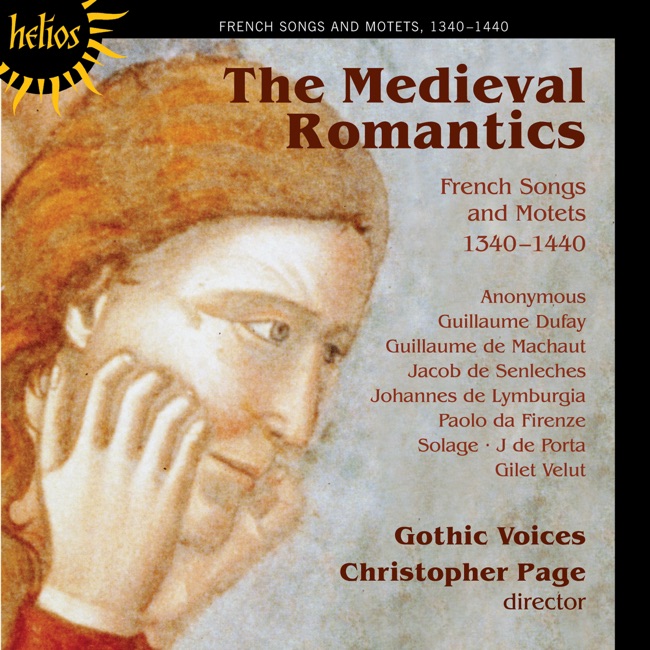
Johannes de Porta
Artist Info
Role:ComposerCountry: FranceBirth:before 1270Death:after 1300Period:MedievalGenre:VocalJohannes de Porta was a German composer of the late Renaissance period, born in the city of Nuremberg in 1520. Little is known about his early life, but it is believed that he received his musical education in his hometown, where he likely studied with local musicians and composers. Porta's career as a composer began in the mid-16th century, when he started to publish his works. His first known publication was a collection of motets, which he released in 1554. This was followed by several other collections of sacred music, including masses, hymns, and psalms. Porta's music was highly regarded during his lifetime, and he was known for his skillful use of counterpoint and his ability to create complex and intricate musical textures. His works were often performed in churches and cathedrals throughout Germany, and he was considered one of the leading composers of his time. One of Porta's most famous works is his Missa super "Ave Maria," which was published in 1568. This mass is based on the popular Marian hymn "Ave Maria," and it is known for its intricate polyphonic textures and its use of chromaticism. The mass was widely performed during Porta's lifetime and has remained a popular work in the choral repertoire to this day. Another notable work by Porta is his collection of motets, which he published in 1570. This collection includes several pieces that are still performed today, including "O sacrum convivium" and "Ave verum corpus." These motets are known for their beautiful melodies and their use of complex harmonies. In addition to his sacred music, Porta also composed several instrumental works, including dances and fantasias. These pieces were often performed at courtly events and were popular among the nobility of the time. Despite his success as a composer, Porta's life was not without its challenges. He lived during a time of religious upheaval, and his music was often subject to censorship and criticism from both Protestant and Catholic authorities. In addition, he struggled with financial difficulties throughout his career, and he was forced to rely on the patronage of wealthy individuals to support his work. Despite these challenges, Porta continued to compose throughout his life, and his music remains an important part of the Renaissance repertoire. His works are known for their beauty, complexity, and emotional depth, and they continue to inspire musicians and audiences alike.More....
Recent Artist Music
1
4:42
2
4:18
3
5:9
Copyright Ⓒ 2013 Davinci Finger. All rights reseved
Service Terms & Policy