


Máté Hollós
Released Album
Chamber
-
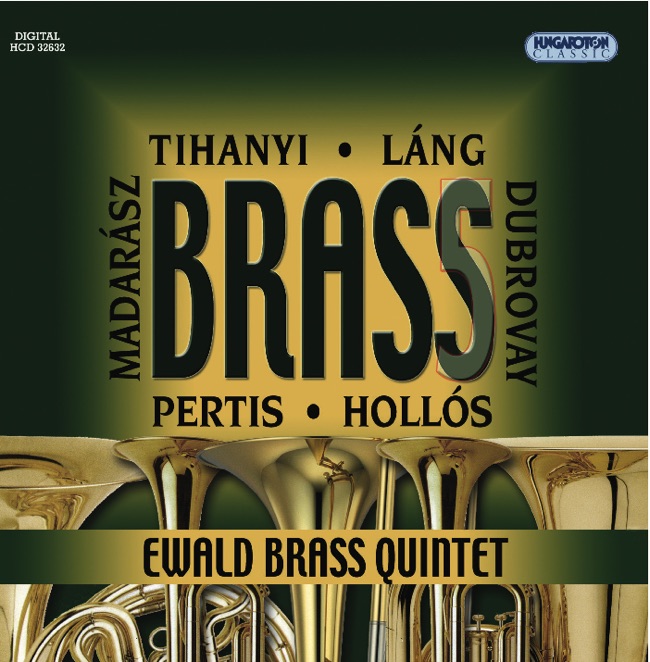 April 12, 2009
 -
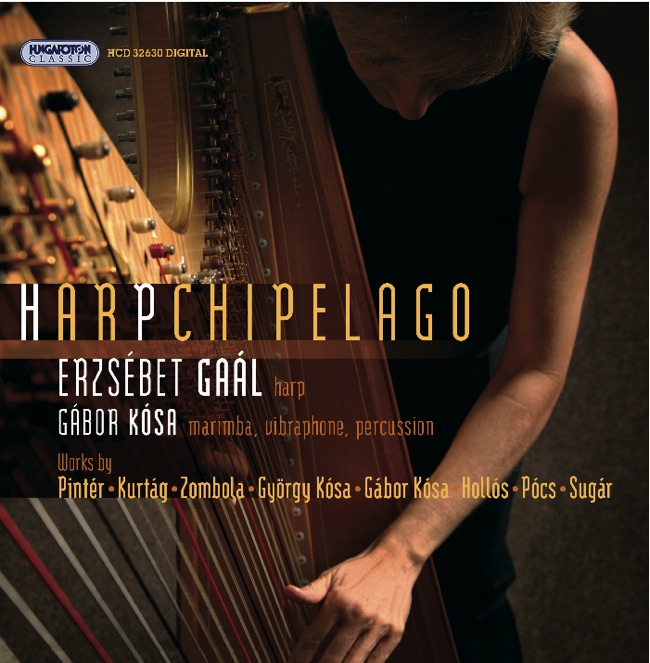 April 9, 2009
 -
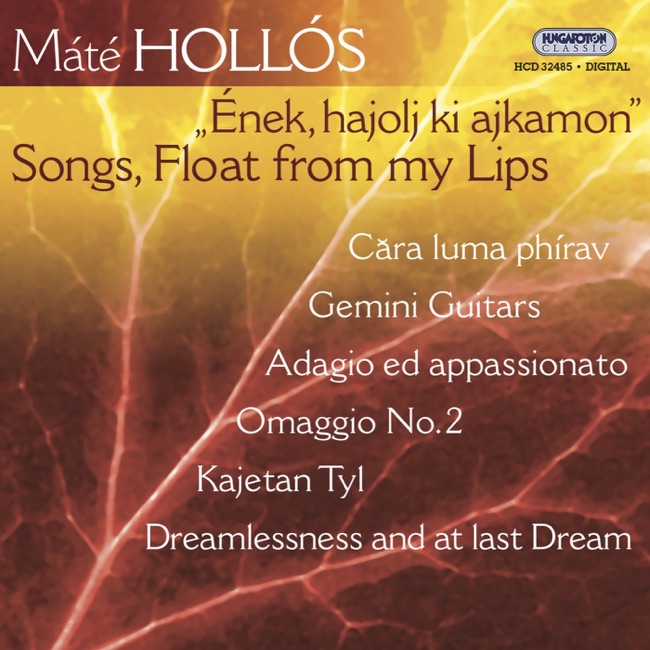
-
 April 26, 2005
 -
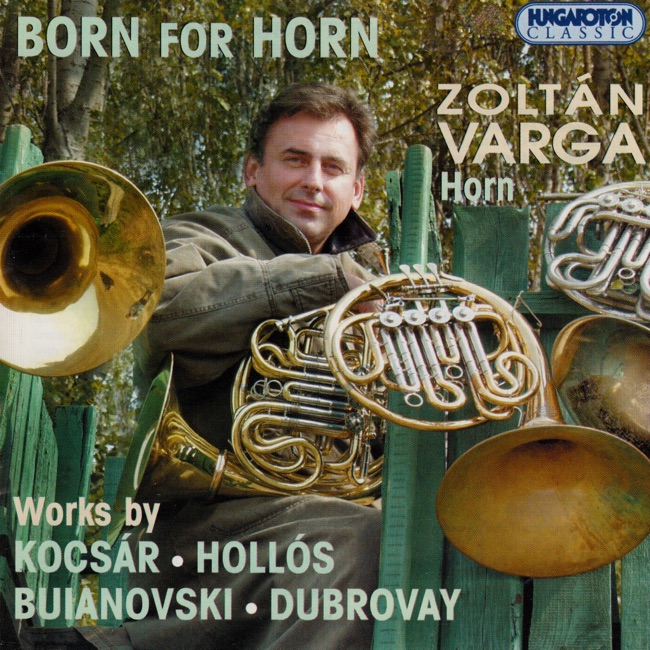 February 25, 2003
 -
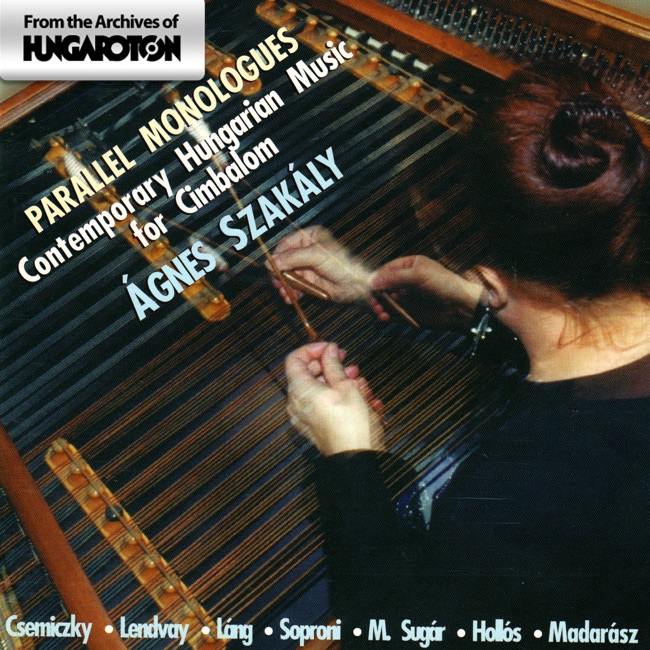
Vocal
-
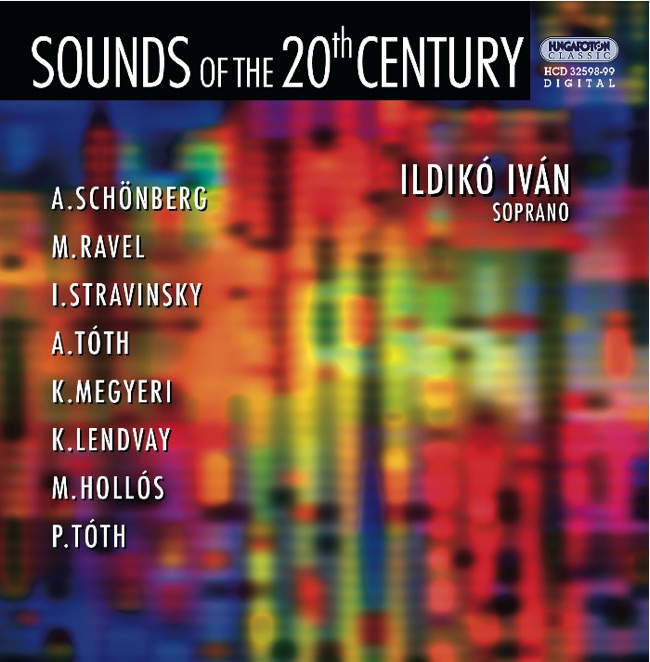 April 9, 2009
Miscellaneous
-
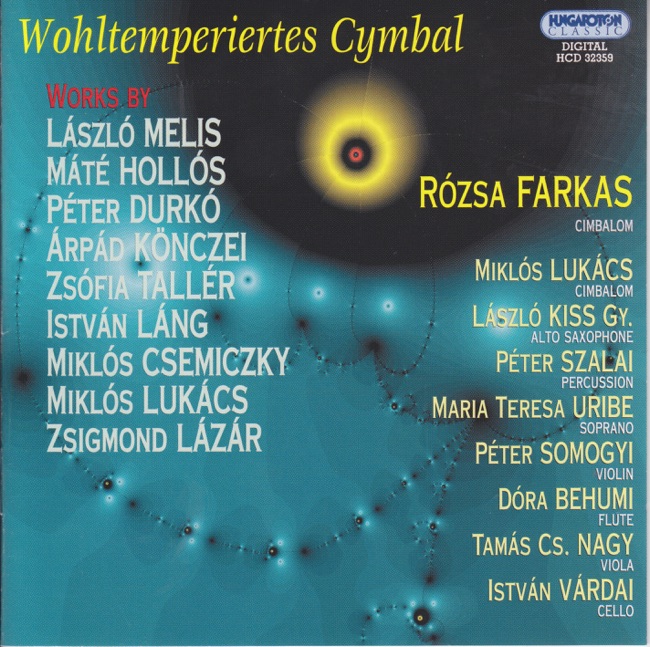 July 25, 2006
Artist Info
Role:ComposerBirth:1954Period:ContemporaryGenre:Avant-GardeChamberChoralMáté Hollós was a Hungarian composer and music educator who was born on January 1, 1932, in Budapest, Hungary. He was the son of a music teacher and grew up in a musical family. His father, László Hollós, was a well-known composer and music educator in Hungary, and his mother, Erzsébet Hollós, was a pianist. Máté Hollós showed an early interest in music and began studying piano and composition at a young age. Hollós attended the Franz Liszt Academy of Music in Budapest, where he studied composition with Zoltán Kodály and Ferenc Farkas. He also studied piano with Lajos Hernádi and conducting with János Ferencsik. After graduating from the academy in 1955, Hollós began working as a music educator, teaching at various schools and music conservatories in Hungary. Hollós' early compositions were influenced by the folk music of Hungary and other Eastern European countries. He was particularly interested in the use of folk melodies and rhythms in classical music, and his works often incorporated these elements. Some of his early works include the Suite for Orchestra (1954), the String Quartet No. 1 (1955), and the Piano Sonata No. 1 (1956). In the 1960s, Hollós began to experiment with more avant-garde styles of composition, incorporating elements of serialism and aleatoric music into his works. He also began to incorporate electronic music into his compositions, using tape recorders and synthesizers to create new sounds and textures. Some of his works from this period include the String Quartet No. 2 (1962), the Piano Sonata No. 2 (1963), and the electronic work "Kaleidoscope" (1967). In the 1970s, Hollós returned to a more traditional style of composition, focusing on tonal harmony and melody. He continued to incorporate folk elements into his works, but in a more subtle and refined way. Some of his works from this period include the Symphony No. 1 (1971), the String Quartet No. 3 (1973), and the Piano Concerto No. 1 (1976). Hollós' later works continued to explore new sounds and textures, but always with a strong sense of melody and harmony. He was particularly interested in the use of percussion instruments, and many of his works feature complex and intricate rhythms. Some of his later works include the Symphony No. 2 (1982), the String Quartet No. 4 (1985), and the Percussion Concerto (1990). Throughout his career, Hollós was also a dedicated music educator. He taught at the Béla Bartók Conservatory in Budapest from 1960 to 1997, and was also a professor at the Franz Liszt Academy of Music. He was known for his innovative teaching methods, and many of his students went on to become successful composers and performers. Hollós received numerous awards and honors throughout his career, including the Kossuth Prize (Hungary's highest cultural award) in 1985 and the Bartók-Pásztory Award in 1997. He was also a member of the Hungarian Academy of Arts and Sciences. Máté Hollós passed away on December 31, 2006, in Budapest, Hungary. He left behind a legacy of innovative and expressive compositions, as well as a generation of students who were inspired by his teaching and mentorship.More....
Copyright Ⓒ 2013 Davinci Finger. All rights reseved
Service Terms & Policy