


Žibuoklė Martinaitytė
Released Album
Orchestral
-
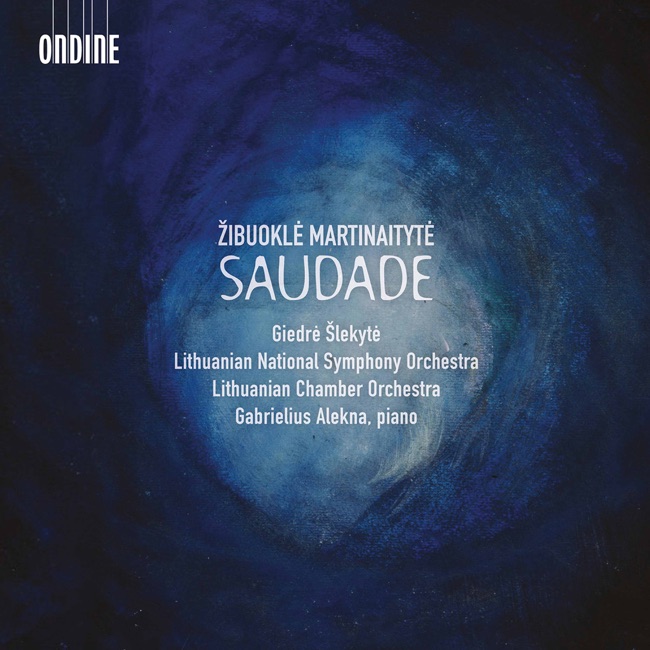 February 5, 2021
Concerto
-
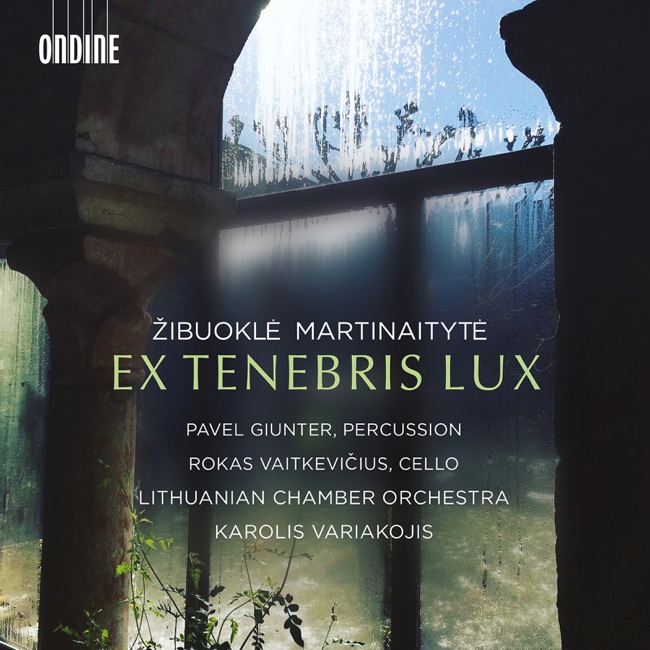 June 3, 2022
Choral
-
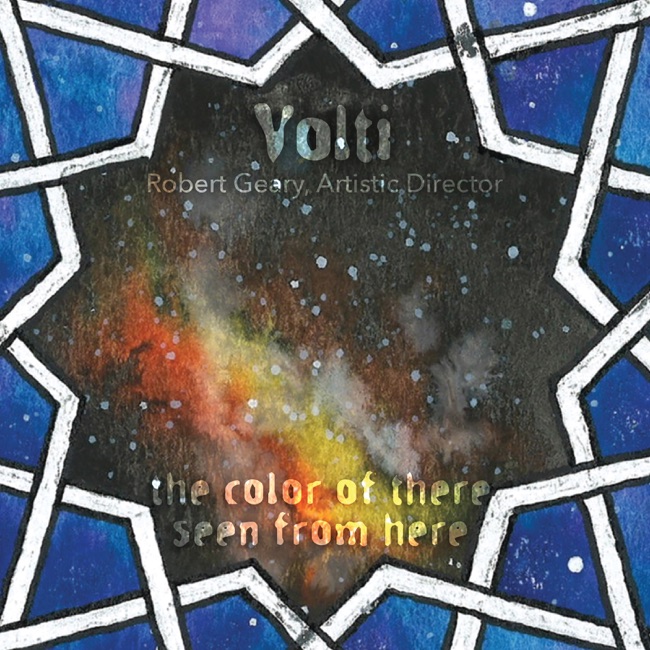 April 26, 2019
Artist Info
Role:ComposerBirth:May 4, 1973 in Leningrad, USSRŽibuoklė Martinaitytė is a Lithuanian composer who has gained international recognition for her unique and innovative approach to classical music. Born on October 29, 1979, in Vilnius, Lithuania, Martinaitytė grew up in a family of musicians. Her mother was a pianist, and her father was a composer and conductor. From a young age, Martinaitytė was exposed to classical music and began studying piano and music theory. Martinaitytė continued her musical education at the Lithuanian Academy of Music and Theatre, where she studied composition with Osvaldas Balakauskas and Bronius Kutavičius. She also studied at the Royal Conservatory of The Hague in the Netherlands and the University of Music and Performing Arts in Vienna, Austria. Martinaitytė's early works were influenced by the Lithuanian folk music tradition and the works of her father, who was a prominent composer in Lithuania. Her compositions often featured unconventional instrumentation and experimental techniques, such as using extended techniques on traditional instruments or incorporating electronic elements into her works. One of Martinaitytė's early works, "In Search of Lost Beauty," was premiered in 2005 by the Lithuanian National Symphony Orchestra. The piece was inspired by the poetry of Charles Baudelaire and featured a solo cello accompanied by a large orchestra. The work was praised for its haunting beauty and emotional depth. In 2007, Martinaitytė was awarded the prestigious Gaudeamus Prize for young composers. The award recognized her innovative approach to composition and her ability to push the boundaries of classical music. Martinaitytė's winning piece, "Horizons," was a multimedia work that combined live music with video projections and electronic soundscapes. Martinaitytė's works have been performed by orchestras and ensembles around the world, including the BBC Symphony Orchestra, the Los Angeles Philharmonic, and the New York Philharmonic. Her compositions have been featured at major music festivals, including the Venice Biennale, the Warsaw Autumn Festival, and the Tanglewood Music Festival. One of Martinaitytė's most acclaimed works is "Vanishing Points," a multimedia piece that explores the concept of time and memory. The work features a large orchestra, a choir, and electronic soundscapes, as well as video projections and lighting effects. "Vanishing Points" was premiered in 2016 by the Los Angeles Philharmonic and has since been performed by orchestras around the world. Martinaitytė's works often explore themes of identity, memory, and the natural world. Her compositions are characterized by their intricate textures, unconventional instrumentation, and use of electronic elements. Martinaitytė's music has been praised for its emotional depth and its ability to transport listeners to other worlds. In addition to her work as a composer, Martinaitytė is also a professor of composition at the Lithuanian Academy of Music and Theatre. She has mentored a new generation of composers and has been recognized for her contributions to music education in Lithuania. Martinaitytė's innovative approach to classical music has earned her a place among the most exciting and influential composers of her generation. Her works continue to inspire and challenge audiences around the world, and she remains a leading voice in contemporary classical music.More....

Copyright Ⓒ 2013 Davinci Finger. All rights reseved
Service Terms & Policy