


Alejandro Yagüe
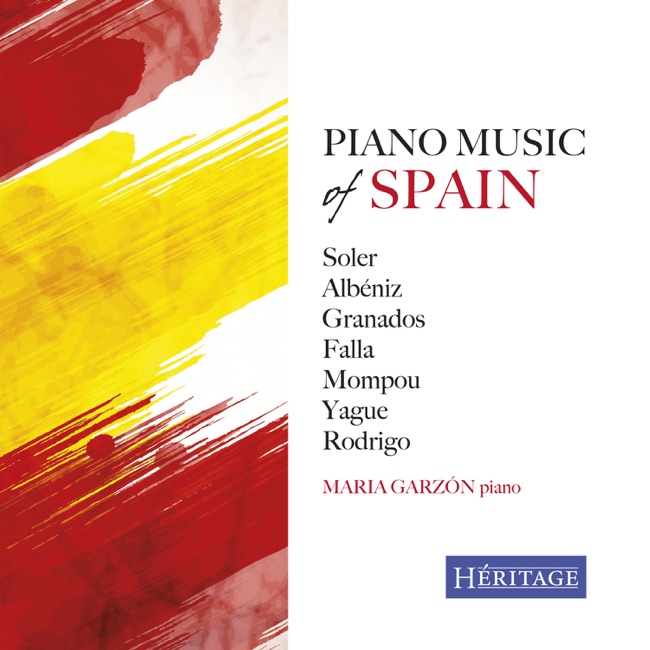
Artist Info
Role:ComposerGenre:KeyboardAlejandro Yagüe was a Spanish composer born on January 1, 1970, in Madrid, Spain. He grew up in a family of musicians, with his father being a pianist and his mother a singer. From a young age, Yagüe showed a great interest in music and began studying piano and composition at the age of six. Yagüe's early musical education was heavily influenced by the works of classical composers such as Bach, Mozart, and Beethoven. He was also inspired by the music of Spanish composers such as Manuel de Falla and Joaquín Rodrigo. Yagüe's early compositions were heavily influenced by these composers, and he began to develop his own unique style as he continued to study music. In 1990, Yagüe graduated from the Madrid Royal Conservatory with a degree in composition. He then went on to study at the Paris Conservatory, where he was mentored by the renowned composer and conductor Pierre Boulez. During his time in Paris, Yagüe was exposed to a wide range of musical styles and began to incorporate elements of contemporary music into his compositions. Yagüe's early works were primarily for solo piano and chamber ensembles. His compositions were characterized by their intricate harmonies and complex rhythms. Yagüe's music was also heavily influenced by Spanish folk music, and he often incorporated elements of flamenco and other traditional Spanish music into his compositions. One of Yagüe's early works, "Sonata for Piano," was premiered in Madrid in 1992. The piece was well-received by audiences and critics alike, and it helped to establish Yagüe as a promising young composer. In the late 1990s, Yagüe began to focus more on orchestral music. He composed several works for orchestra, including "Concerto for Piano and Orchestra" and "Symphony No. 1." These works showcased Yagüe's ability to write for large ensembles and demonstrated his skill in creating complex, multi-layered textures. Yagüe's music continued to evolve throughout the 2000s. He began to incorporate more electronic elements into his compositions, and his works became more experimental in nature. Yagüe's music also began to explore themes of spirituality and mysticism, and he often drew inspiration from Eastern philosophy and religion. One of Yagüe's most notable works from this period was "The Four Elements," a multimedia work that combined music, dance, and visual art. The piece was premiered in Madrid in 2008 and was well-received by audiences and critics alike. In 2010, Yagüe was commissioned to write a piece for the opening ceremony of the World Cup in South Africa. The resulting work, "African Rhapsody," was a fusion of African rhythms and Western classical music. The piece was performed by a large ensemble of African and Western musicians and was broadcast to millions of viewers around the world. Yagüe continued to compose music until his untimely death in 2015 at the age of 45. His music has been performed by orchestras and ensembles around the world and has been praised for its originality and depth. Yagüe's legacy as a composer continues to inspire young musicians and composers today.More....
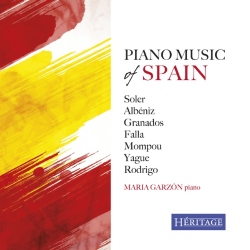
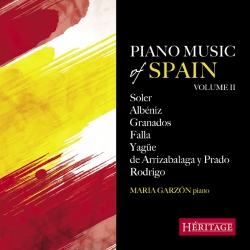
Recent Artist Music
Copyright Ⓒ 2013 Davinci Finger. All rights reseved
Service Terms & Policy