


Ferdinand Rebay
Released Album
Chamber
-
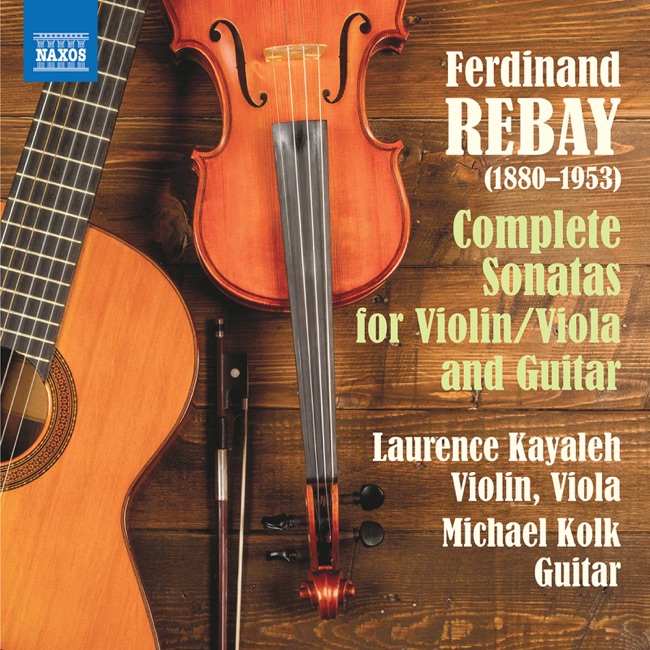
-
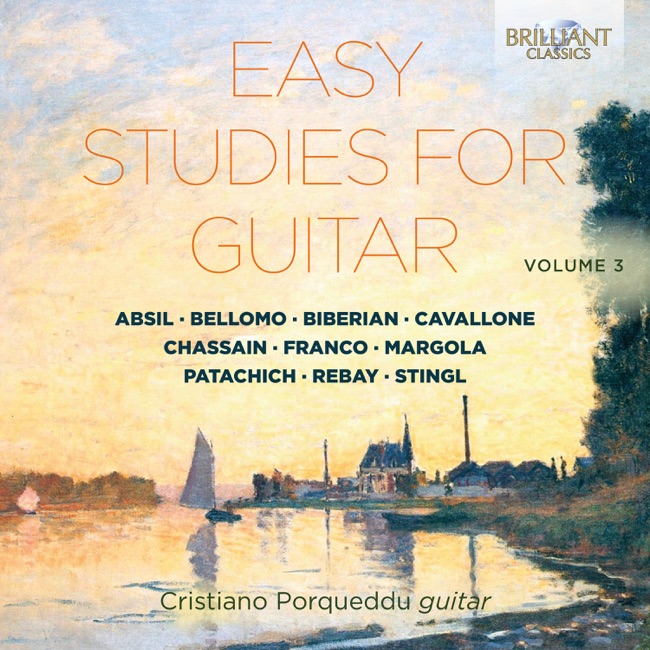 April 3, 2020
 -
 May 31, 2019
 -
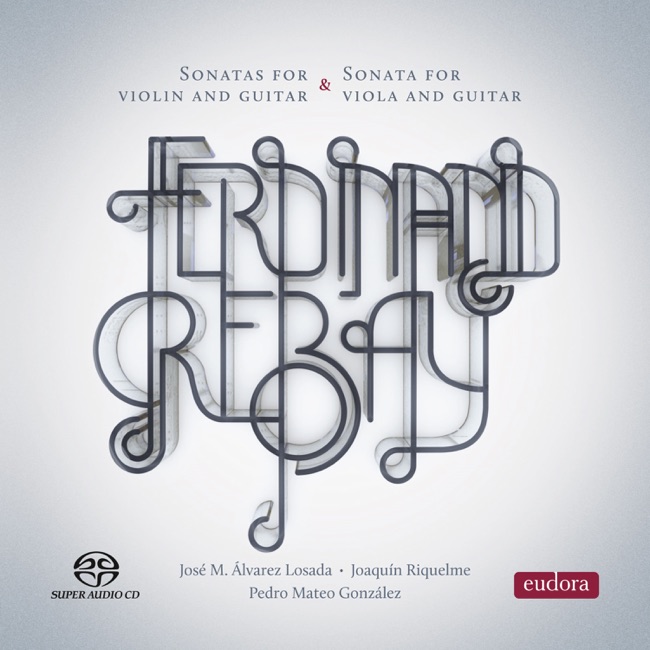
-
 August 10, 2010
 -
 February 22, 2005
Keyboard
-
 October 1, 2003
Artist Info
Role:ComposerBirth:November 6, 1880 in Vienna, AustriaDeath:June 11, 1953 in Vienna, AustriaPeriod:RomanticFerdinand Rebay was an Austrian composer and guitarist who lived from 1880 to 1953. He was born in Vienna, Austria, and grew up in a family of musicians. His father was a violinist and his mother was a pianist, so it was natural for him to be exposed to music from a young age. Rebay began playing the guitar at the age of 10 and quickly showed a talent for the instrument. Rebay studied music at the Vienna Conservatory, where he focused on guitar performance and composition. He was a student of the famous composer and music theorist Arnold Schoenberg, who had a significant influence on Rebay's musical style. Schoenberg was known for his atonal and twelve-tone compositions, and Rebay incorporated some of these techniques into his own works. After completing his studies, Rebay worked as a freelance musician in Vienna. He played guitar in various ensembles and orchestras, and also taught guitar at the Vienna Conservatory. In addition to his work as a performer and teacher, Rebay continued to compose music throughout his career. Rebay's compositions are primarily for the guitar, although he also wrote music for other instruments, including piano, violin, and cello. His works are characterized by their lyrical melodies, intricate harmonies, and use of dissonance. Rebay was particularly interested in exploring the possibilities of the guitar as a solo instrument, and many of his compositions are written for solo guitar. One of Rebay's most famous works is his Sonata in C Major for Guitar and Violin. This piece was written in 1927 and is considered one of the most important works for guitar and violin in the classical repertoire. The sonata is in three movements and showcases Rebay's skill as a composer and his understanding of the guitar and violin as solo instruments. Another notable work by Rebay is his Suite in D Major for Solo Guitar. This piece was written in 1935 and is one of Rebay's most popular compositions. The suite is in four movements and features a variety of techniques and styles, including a fugue and a waltz. In addition to his compositions for the guitar, Rebay also wrote music for chamber ensembles and orchestras. One of his most famous works in this genre is his Serenade for String Orchestra, which was written in 1940. The serenade is in four movements and showcases Rebay's skill as an orchestrator and his ability to write for a variety of instruments. Despite his talent as a composer and musician, Rebay's music was largely overlooked during his lifetime. This was partly due to the fact that he was not interested in promoting his own work and did not actively seek out performances or recordings of his compositions. It was not until after his death that his music began to receive more attention and recognition. Today, Rebay is considered one of the most important composers for the guitar in the 20th century. His works are performed and recorded by guitarists around the world, and his influence can be heard in the music of many contemporary composers. Rebay's legacy as a composer and musician continues to inspire and influence musicians today.More....
Recent Artist Music
1

18:30


6

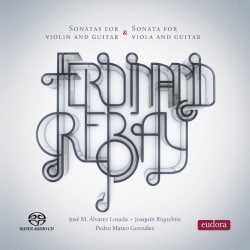
Sonata for violin & guitar in C minor
IV. Ein fröhliches perpetuum mobile in Webers Manier: Allegro giocoso
3:50






Copyright Ⓒ 2013 Davinci Finger. All rights reseved
Service Terms & Policy