


Joseph Haas
Released Album
Choral
-
 January 18, 2019
 -
 September 30, 2016
 -
 May 26, 2015
 -
 December 11, 2008
 -
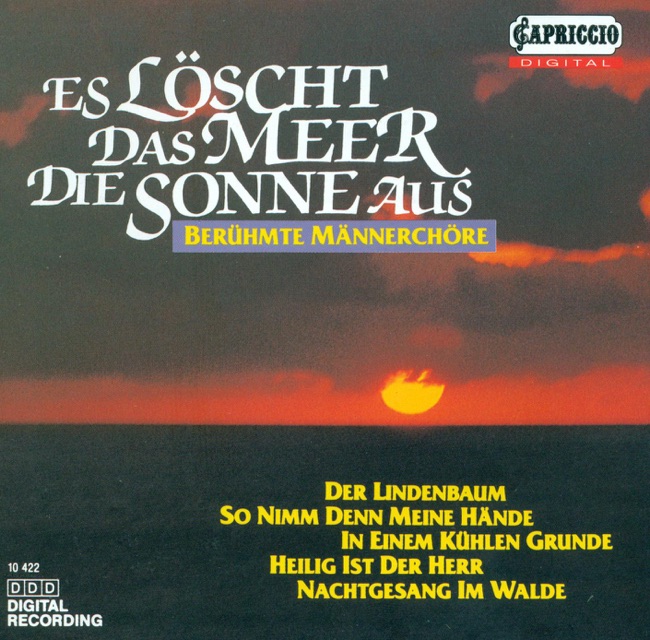 December 1, 1995
Keyboard
-
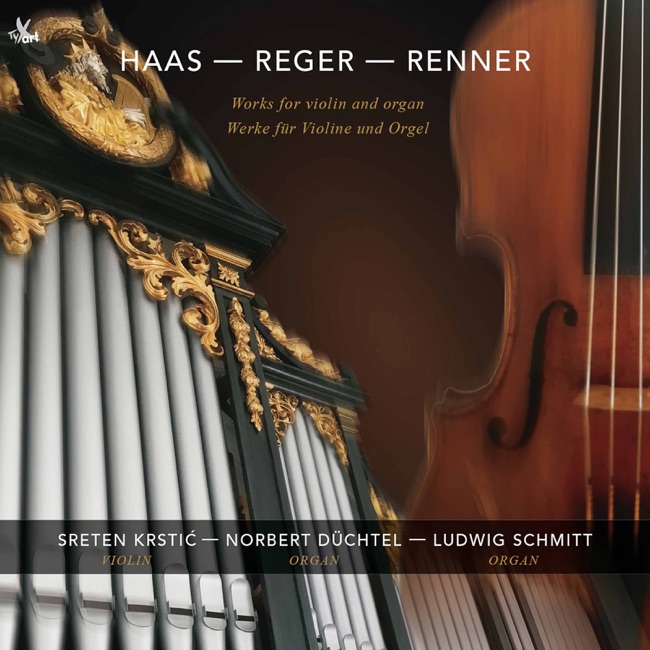 July 30, 2021
 -
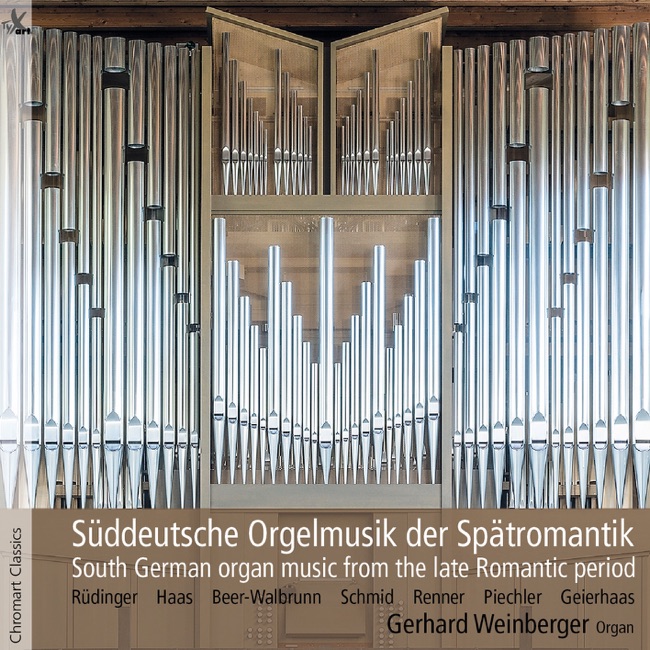 September 30, 2016
 -
 September 26, 2012
Chamber
-
 March 1, 2012
Vocal
-
 September 1, 2013
 -
 January 1, 1996
Artist Info
Role:ComposerBirth:March 19, 1879Death:March 30, 1960Period:ModernGenre:ChamberChoralVocalJoseph Haas was a German composer and conductor who was born on March 29, 1879, in Mainz, Germany. He was the son of a music teacher and grew up in a musical family. His father, Philipp Haas, was a well-known conductor and composer, and his mother, Maria Haas, was a singer. Joseph Haas showed an early interest in music and began playing the piano at a young age. Haas studied music at the Hoch Conservatory in Frankfurt, where he was a student of Iwan Knorr. He also studied with Max Reger, who had a significant influence on his music. Haas was a talented composer and won several awards for his compositions while he was still a student. After completing his studies, Haas worked as a conductor and composer in various cities in Germany. He was the conductor of the Frankfurt Opera from 1914 to 1917 and the conductor of the Munich Philharmonic Orchestra from 1920 to 1933. He also taught composition at the Munich Academy of Music. Haas was a prolific composer and wrote music in a variety of genres, including opera, symphonies, chamber music, and choral music. His music was influenced by the Romantic tradition and the music of Max Reger. He was known for his use of rich harmonies and complex counterpoint. One of Haas's most famous works is his opera "Hansel and Gretel," which was based on the fairy tale by the Brothers Grimm. The opera premiered in Frankfurt in 1923 and was a great success. It was later performed in other cities in Germany and Austria. Haas also wrote several symphonies, including his Symphony No. 1 in C minor, which premiered in Munich in 1913. The symphony was well-received and established Haas as a major composer. He went on to write several more symphonies, including his Symphony No. 2 in E-flat major, which premiered in 1921. In addition to his symphonies and operas, Haas wrote a significant amount of chamber music. His String Quartet No. 1 in D minor, which premiered in 1908, is considered one of his most important works. He also wrote several pieces for solo piano, including his Piano Sonata No. 1 in C minor, which premiered in 1910. Haas was a respected conductor and was known for his interpretations of the music of Bach, Beethoven, and Brahms. He was also a champion of contemporary music and conducted premieres of works by composers such as Arnold Schoenberg and Anton Webern. Haas's career was interrupted by the rise of the Nazi party in Germany. He was dismissed from his position as conductor of the Munich Philharmonic Orchestra in 1933 because of his opposition to the Nazi regime. He continued to compose and teach, but his music was banned by the Nazis. After World War II, Haas's music was rediscovered, and he was recognized as one of the leading composers of his time. He died on June 10, 1960, in Munich, Germany, at the age of 81. In conclusion, Joseph Haas was a talented composer and conductor who made significant contributions to the world of classical music. His music was influenced by the Romantic tradition and the music of Max Reger, and he was known for his use of rich harmonies and complex counterpoint. His most famous works include his opera "Hansel and Gretel," his symphonies, and his chamber music. Despite the interruption of his career by the Nazi regime, Haas's music has endured and continues to be performed and appreciated today.More....
Recent Artist Music
2
3:4
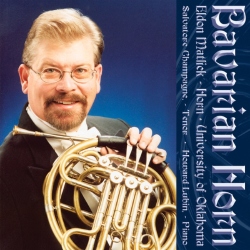
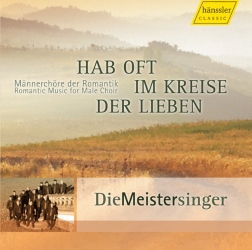
6
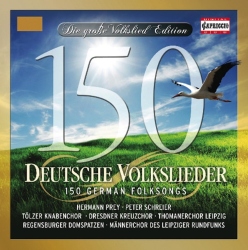
Hymn to the night ("Holy Night, o pour you") (after Beethoven)
Hymne an die Nacht (Heil'ge Nacht, o gieße du)
3:5
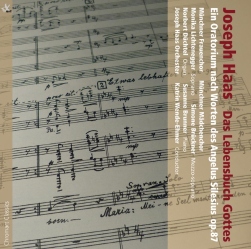
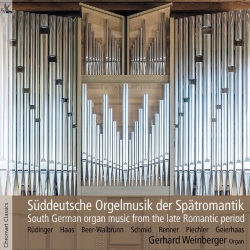
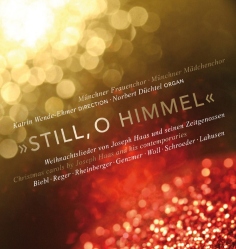
10
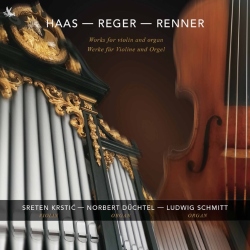
Church Sonata for violin & organ in F major ('Jubilate'), Op. 62/1
Kirchensonate No. 1 F-Dur (Jubilate) Op. 62 No. 1 für Violine und Orgel
6:20

Copyright Ⓒ 2013 Davinci Finger. All rights reseved
Service Terms & Policy