


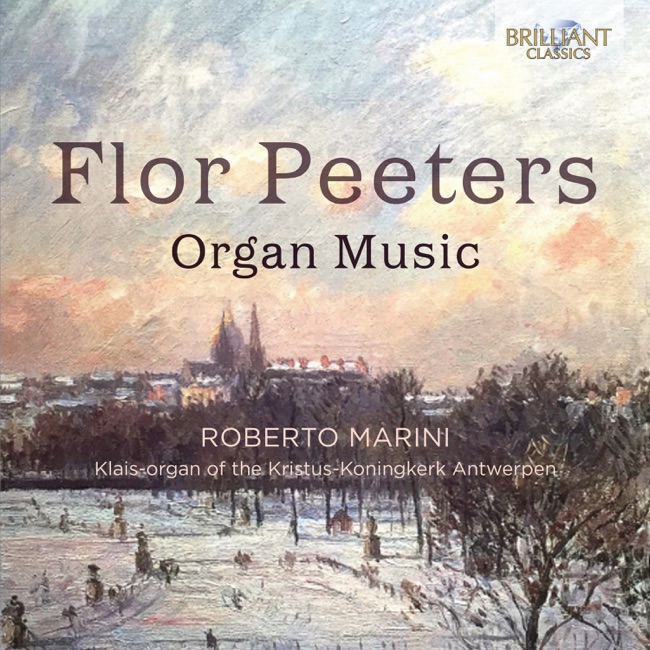
Flor Peeters
Released Album
Keyboard
-
 November 5, 2021
 -
 November 1, 2019
 -
 October 19, 2012
 -
 April 10, 2012
 -
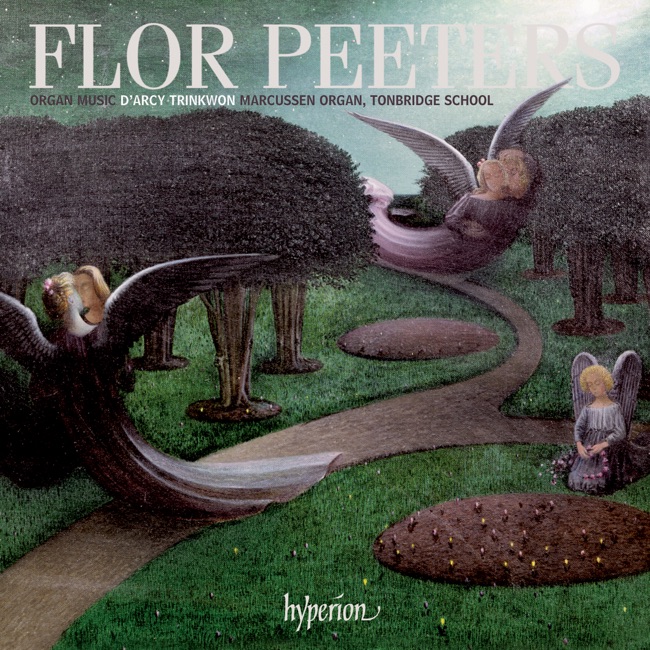 January 11, 2011
 -
Chamber
Choral
-
 September 17, 2020
 -
-
 May 27, 2003
Artist Info
Role:ComposerCountry: BelgiumBirth:July 4, 1903 in TielenDeath:July 4, 1986 in Antwerp, BelgiumPeriod:ModernGenre:KeyboardFlor Peeters was a Belgian composer, organist, and teacher who was born on July 4, 1903, in the town of Tielen, Belgium. He was the youngest of six children in a family of musicians. His father, Jozef Peeters, was a composer and conductor, and his mother, Maria Van den Eynden, was a pianist. Peeters began his musical education at a young age, studying piano and organ with his mother and later with his brother, who was an organist. Peeters attended the Lemmens Institute in Mechelen, Belgium, where he studied organ, composition, and harmony. He graduated with honors in 1924 and went on to study with some of the most prominent organists of the time, including Charles-Marie Widor in Paris and Marcel Dupré in France. Peeters also studied with the famous composer and conductor, Paul Hindemith, in Berlin. Peeters began his career as an organist and quickly gained a reputation as one of the finest organists of his time. He was appointed as the organist at the Cathedral of Mechelen in 1929, a position he held for over 40 years. He also served as a professor of organ and composition at the Lemmens Institute, where he taught many of the leading organists and composers of the next generation. Peeters was a prolific composer, writing over 500 works in a variety of genres, including organ music, choral music, chamber music, and orchestral music. His music is characterized by its clarity, simplicity, and elegance, and it is often described as being influenced by the music of J.S. Bach. One of Peeters' most famous works is his Suite Modale for Flute and Piano, which was written in 1949. The piece is a set of five movements, each of which is based on a different mode of the Gregorian chant. The Suite Modale has become a staple of the flute repertoire and is often performed in recitals and competitions. Another notable work by Peeters is his Missa Festiva, which was written in 1960. The piece is a setting of the Catholic Mass and is scored for choir, organ, and brass ensemble. The Missa Festiva is a powerful and uplifting work that has become a favorite of choirs and congregations around the world. Peeters' organ music is also highly regarded and has become a staple of the organ repertoire. His most famous organ work is his Toccata, Fugue, and Hymn on "Ave Maris Stella," which was written in 1932. The piece is a virtuosic tour-de-force that showcases Peeters' mastery of the organ and his ability to create powerful and dramatic music. Peeters' music has been performed and recorded by many of the leading musicians and ensembles of the 20th century, including the Philadelphia Orchestra, the London Symphony Orchestra, and the Royal Philharmonic Orchestra. His music continues to be performed and admired by musicians and audiences around the world. In addition to his work as a composer and organist, Peeters was also a dedicated teacher. He taught at the Lemmens Institute for over 40 years and was known for his rigorous and demanding teaching style. Many of his students went on to become successful musicians and composers in their own right. Peeters received many honors and awards throughout his career, including the Order of Leopold, one of Belgium's highest honors. He was also awarded honorary doctorates from several universities, including the Catholic University of America and the University of Notre Dame. Flor Peeters died on June 4, 1986, at the age of 82.More....
Recent Artist Music
1
8:51
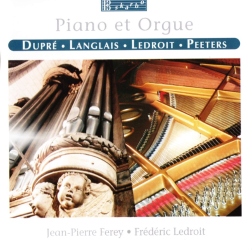
4

8:47

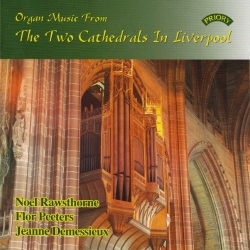
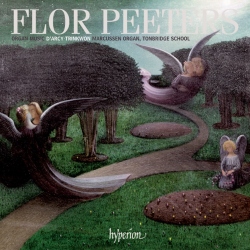
11
Toccata, Fugue and Hymn on "Ave Maris Stella" for organ, Op. 28
Toccata, Fugue and Hymne on Ave Maris Stella
9:9
Copyright Ⓒ 2013 Davinci Finger. All rights reseved
Service Terms & Policy