


Waldemar Ahlen
Released Album
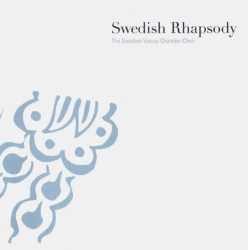
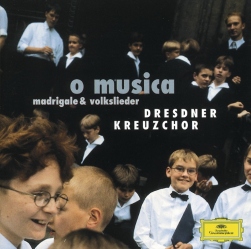
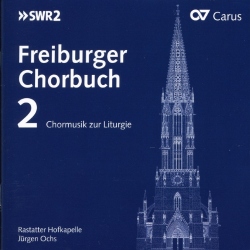
Choral
-
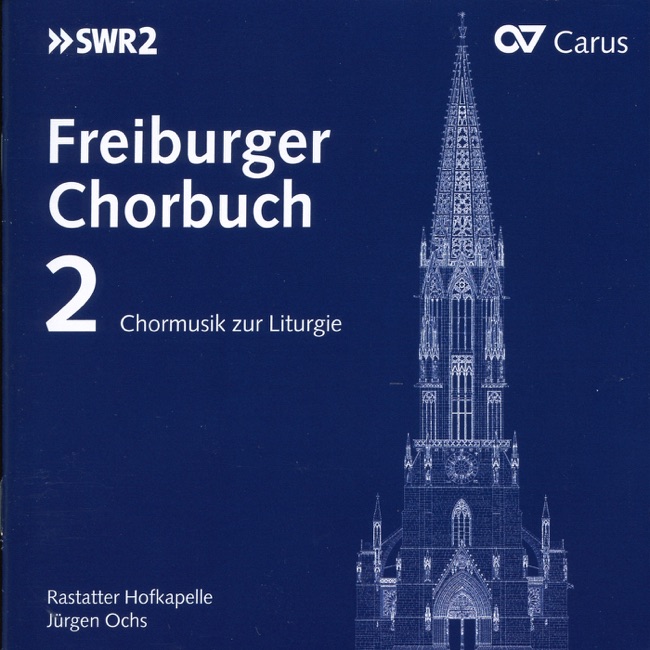 June 26, 2012
 -
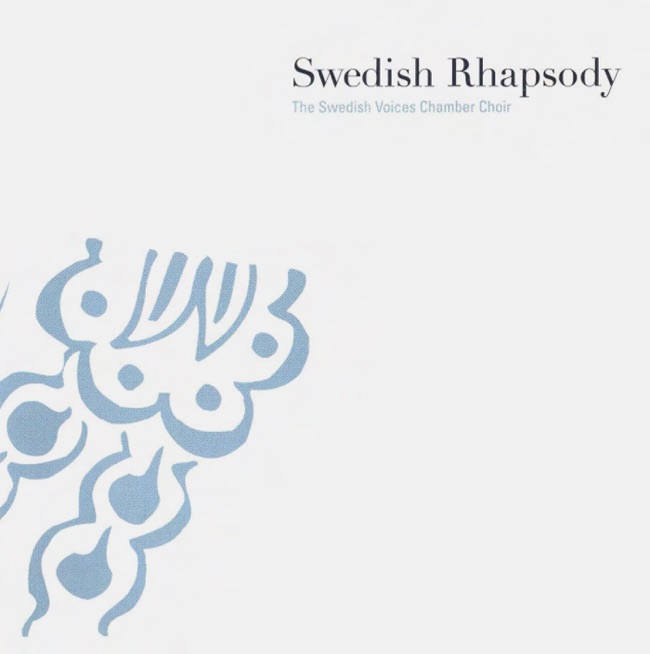 February 22, 2005
 -
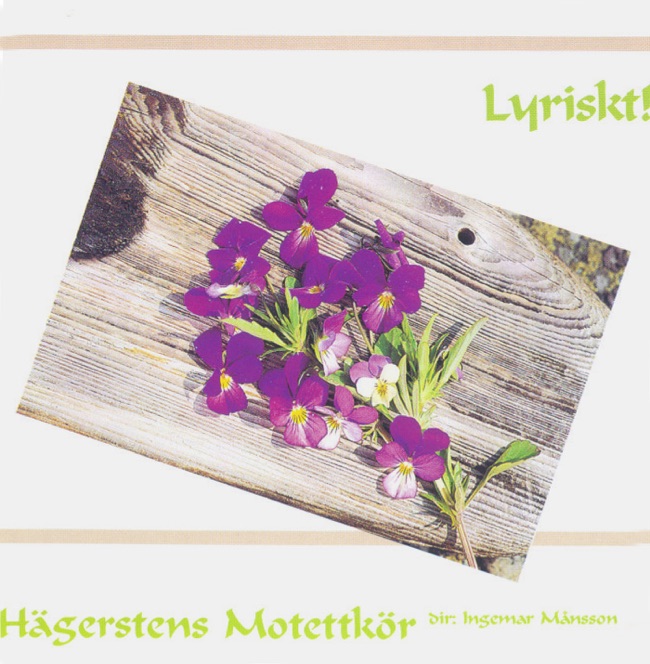 July 27, 1999
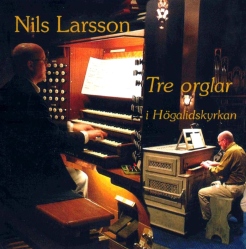
Keyboard
-
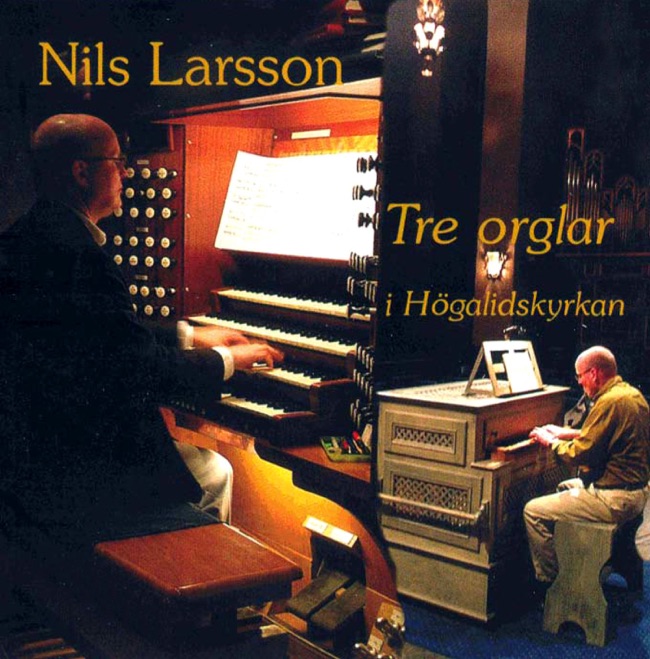 October 24, 2006
Artist Info
Role:ComposerBirth:1894Death:1982Waldemar Ahlen was a Swedish composer who lived from 1894 to 1982. He was born in the town of Västerås, Sweden, and showed an early interest in music. His parents were both amateur musicians, and they encouraged him to pursue his passion for music. Ahlen began his formal music education at the age of 10, when he started taking piano lessons. He quickly showed a talent for the instrument, and by the age of 14, he was already composing his own music. He continued his studies at the Royal College of Music in Stockholm, where he studied composition with Ernst Ellberg and piano with Gottfrid Boon. After completing his studies, Ahlen began his career as a composer and pianist. He quickly gained a reputation as one of Sweden's most promising young composers, and his works were performed by some of the country's leading orchestras and ensembles. One of Ahlen's early works was his Piano Concerto, which he composed in 1921. The concerto was well-received by audiences and critics alike, and it helped establish Ahlen as a major figure in Swedish music. The concerto is characterized by its lush harmonies and virtuosic piano writing, and it remains one of Ahlen's most popular works. In the years that followed, Ahlen continued to compose a wide variety of music, including orchestral works, chamber music, and vocal music. One of his most notable works from this period was his Symphony No. 1, which he composed in 1928. The symphony is a large-scale work that showcases Ahlen's skill as an orchestrator and his ability to create powerful musical statements. Ahlen's music was influenced by a variety of styles and traditions, including Swedish folk music, classical music, and modernist techniques. He was particularly interested in the music of Igor Stravinsky and Arnold Schoenberg, and he incorporated elements of their styles into his own music. During the 1930s, Ahlen's music became more experimental and avant-garde. He began to incorporate elements of atonality and serialism into his compositions, and he experimented with unconventional forms and structures. One of his most notable works from this period was his String Quartet No. 2, which he composed in 1935. The quartet is a complex and challenging work that showcases Ahlen's mastery of modernist techniques. Despite his experimental tendencies, Ahlen remained committed to creating music that was accessible and engaging to audiences. He believed that music should be a source of joy and inspiration, and he worked tirelessly to create works that would resonate with listeners. During World War II, Ahlen's music took on a more patriotic tone. He composed a number of works that celebrated Swedish culture and history, including his Symphony No. 2, which he composed in 1942. The symphony is a grand and sweeping work that incorporates elements of Swedish folk music and nationalistic themes. After the war, Ahlen continued to compose music that was both innovative and accessible. He remained active as a composer and pianist well into his later years, and he continued to be a major figure in Swedish music until his death in 1982. Today, Ahlen is remembered as one of Sweden's greatest composers. His music is characterized by its lush harmonies, inventive structures, and powerful emotional impact. His works continue to be performed and recorded by musicians around the world, and his legacy as a composer and musician remains strong.More....


Copyright Ⓒ 2013 Davinci Finger. All rights reseved
Service Terms & Policy