


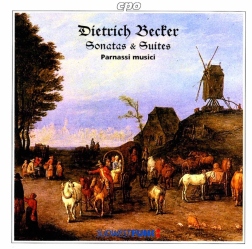
Dietrich Becker
Released Album
Chamber
-
-
 September 25, 2007
 -
Artist Info
Role:ComposerCountry: GermanyBirth:February 26, 1623 in Hamburg, GermanyDeath:May 12, 1679Period:BaroqueDietrich Becker was a German composer and musician who lived during the 17th century. He was born in 1623 in the city of Erfurt, which was then part of the Holy Roman Empire. Not much is known about his early life, but it is believed that he received his musical education in Erfurt and possibly in other cities in Germany. Becker's career as a musician began in the mid-1640s when he became a member of the court orchestra in Dresden, which was then under the rule of the Elector of Saxony. He played the cornett, a wind instrument that was popular in the Renaissance and Baroque periods. Becker quickly became known for his virtuosity on the instrument and his skill as a composer. In 1653, Becker left Dresden and moved to Stockholm, Sweden, where he became a member of the court orchestra of Queen Christina. He remained in Sweden for the rest of his life, and his music became an important part of the country's cultural heritage. Becker's music is characterized by its rich harmonies, expressive melodies, and intricate counterpoint. He wrote music in a variety of genres, including sacred and secular vocal music, instrumental music, and music for the theater. His works are notable for their use of chromaticism and dissonance, which were unusual for the time. One of Becker's most famous works is his Sonata No. 1 in D major for trumpet, strings, and continuo. This piece is notable for its virtuosic trumpet part, which was written for the court trumpeter in Stockholm. The sonata is in four movements, and each movement showcases the trumpet's range and agility. The piece is still performed today and is considered a masterpiece of the Baroque era. Another important work by Becker is his setting of the hymn "Nun bitten wir den Heiligen Geist" for choir and instruments. This piece is a prime example of Becker's skill as a composer of sacred music. The piece is in six parts, and each part features a different combination of voices and instruments. The music is richly harmonized and features intricate counterpoint, which creates a sense of depth and complexity. Becker also wrote music for the theater, including several operas and ballets. One of his most famous works in this genre is his opera "Erwin und Elmire," which was first performed in Stockholm in 1673. The opera is based on a story by Johann Wolfgang von Goethe and features music that is both dramatic and lyrical. The work was well-received at the time and is still performed today. In addition to his work as a composer, Becker was also a respected music teacher. He taught several members of the Swedish court orchestra, including the famous trumpeter Gottfried Reiche. Becker's teaching style was known for its rigor and attention to detail, and his students went on to become some of the most famous musicians of their time. Becker died in Stockholm in 1679 at the age of 56. His music continued to be performed in Sweden and other parts of Europe for many years after his death. Today, he is remembered as one of the most important composers of the Baroque era and a key figure in the development of music in Sweden.More....
Recent Artist Music
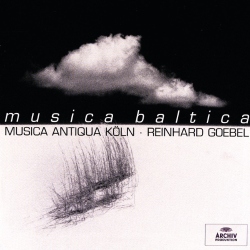
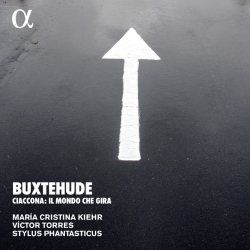
4
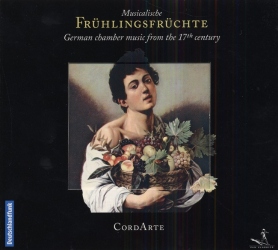
5:40
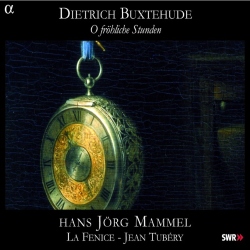
6
7:44
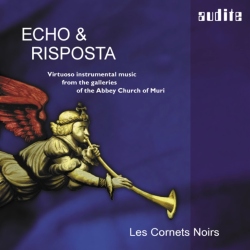
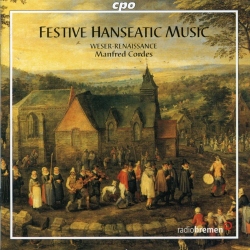
12
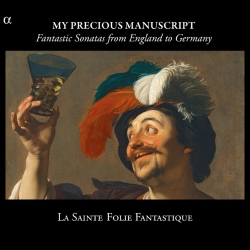
7:59

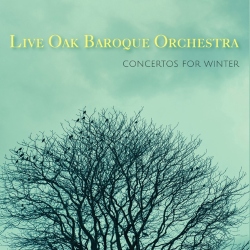
Copyright Ⓒ 2013 Davinci Finger. All rights reseved
Service Terms & Policy