


James Clarke
Released Album
Chamber
-
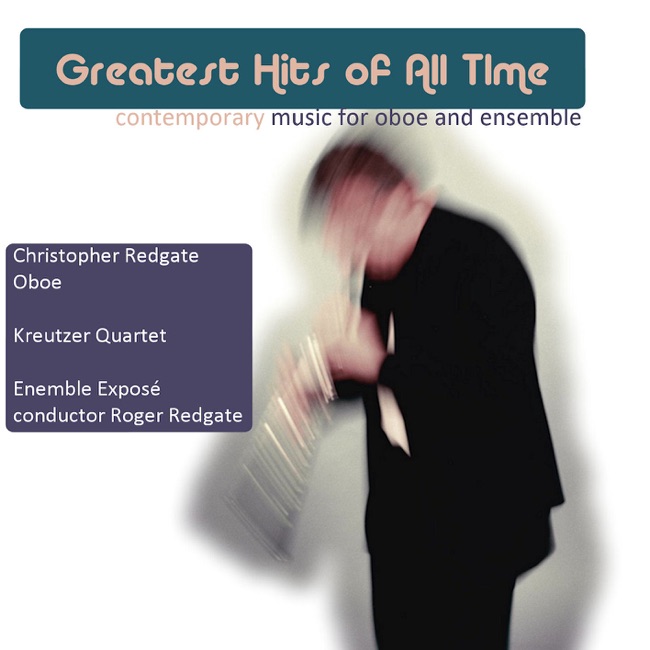 August 1, 2009
 -
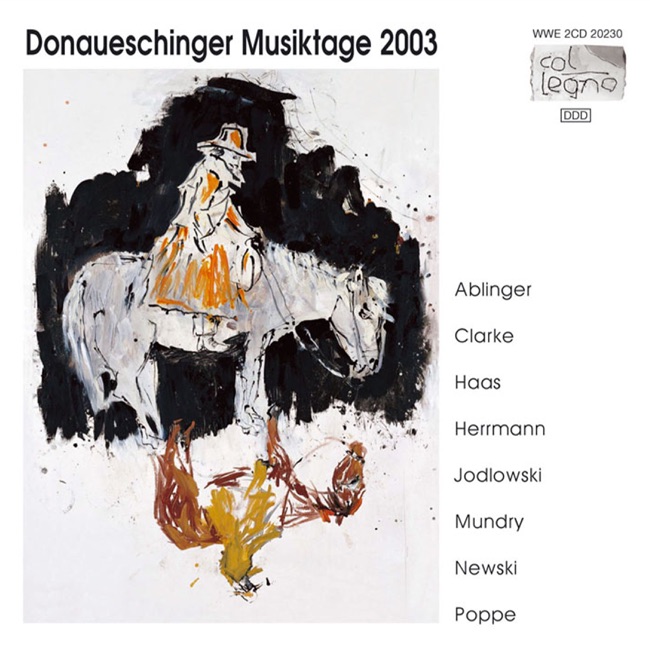 March 1, 2005
Keyboard
-
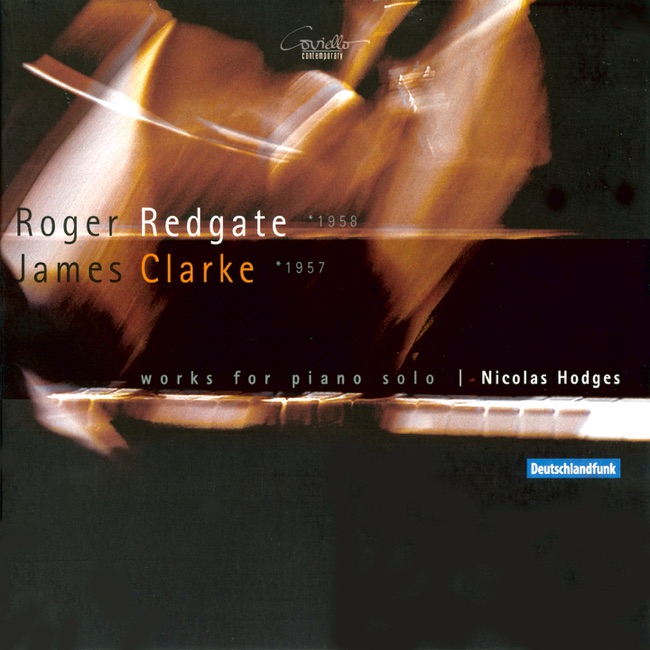 September 1, 2008
Choral
-
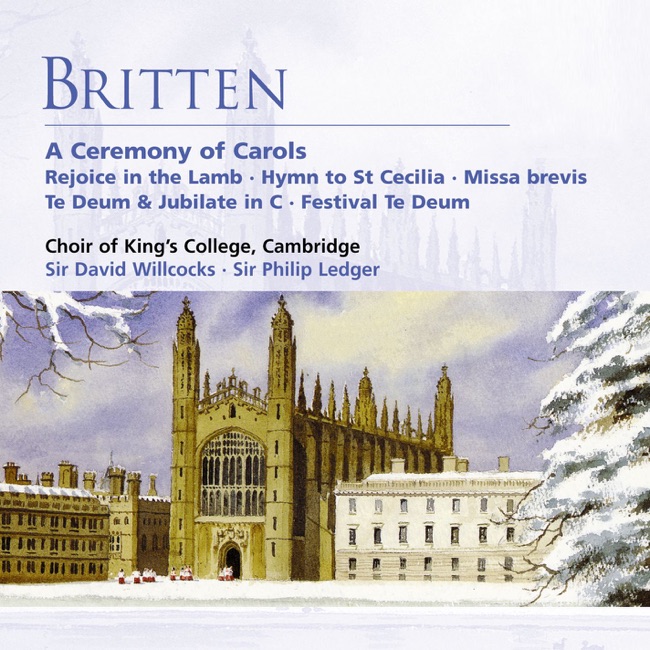 February, 1995
Artist Info
Role:ComposerBirth:1957James Clarke was a British composer born on October 30, 1947, in Liverpool, England. He grew up in a musical family, with his father being a jazz pianist and his mother a singer. Clarke began playing the piano at a young age and showed a natural talent for music. He went on to study at the Royal Manchester College of Music, where he received a degree in composition. Clarke's early works were heavily influenced by the avant-garde movement of the 1960s and 1970s. He was particularly interested in the works of composers such as Karlheinz Stockhausen and Pierre Boulez, who were known for their experimental and unconventional approaches to music. Clarke's early compositions were characterized by their use of complex rhythms, unconventional harmonies, and extended techniques. One of Clarke's early works, "Epitaphs," was written in 1969 and was inspired by the death of his father. The piece is a series of short, mournful pieces for solo piano that explore themes of loss and grief. The work was well-received and helped establish Clarke as a promising young composer. In the 1970s, Clarke began to explore electronic music and started incorporating electronic elements into his compositions. He was particularly interested in the possibilities of using computers to generate and manipulate sound. One of his most notable works from this period is "The Miraculous Mandarin," a ballet score that was commissioned by the Royal Ballet in 1976. The score features a mix of acoustic and electronic instruments and is known for its complex rhythms and dissonant harmonies. Throughout the 1980s and 1990s, Clarke continued to experiment with electronic music and developed a reputation as one of the leading composers in the field. He was particularly interested in the use of computer algorithms to generate musical material. One of his most notable works from this period is "Pilot, Can You Hear Me?" which was commissioned by the BBC in 1991. The work is a multimedia piece that combines live performance with computer-generated sound and video. In addition to his work in electronic music, Clarke also continued to write for traditional acoustic instruments. One of his most notable works from this period is "The Great Learning," a choral work that was commissioned by the BBC in 1998. The work is based on a text by the Chinese philosopher Confucius and is known for its use of extended vocal techniques and unconventional harmonies. In the 2000s, Clarke continued to write for both electronic and acoustic instruments. He was particularly interested in the possibilities of combining the two and began to explore the use of live electronics in his compositions. One of his most notable works from this period is "Mysteries of the Horizon," which was commissioned by the London Sinfonietta in 2003. The work features a mix of acoustic and electronic instruments and is known for its use of spatialization and surround sound. Clarke's later works were characterized by their use of complex textures and intricate rhythms. He was particularly interested in the possibilities of using multiple layers of sound to create a rich and immersive listening experience. One of his most notable works from this period is "The Ninety-Five Theses," which was commissioned by the Huddersfield Contemporary Music Festival in 2017. The work is a choral piece that is based on Martin Luther's famous 95 theses and is known for its use of complex polyrhythms and dense textures.More....
Copyright Ⓒ 2013 Davinci Finger. All rights reseved
Service Terms & Policy