


Francis Chagrin
Released Album
Orchestral
-
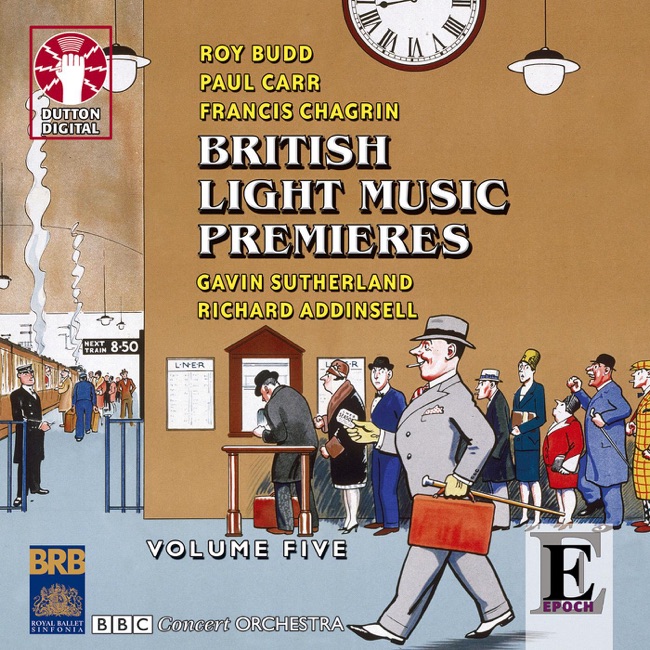 November 11, 2008
 -
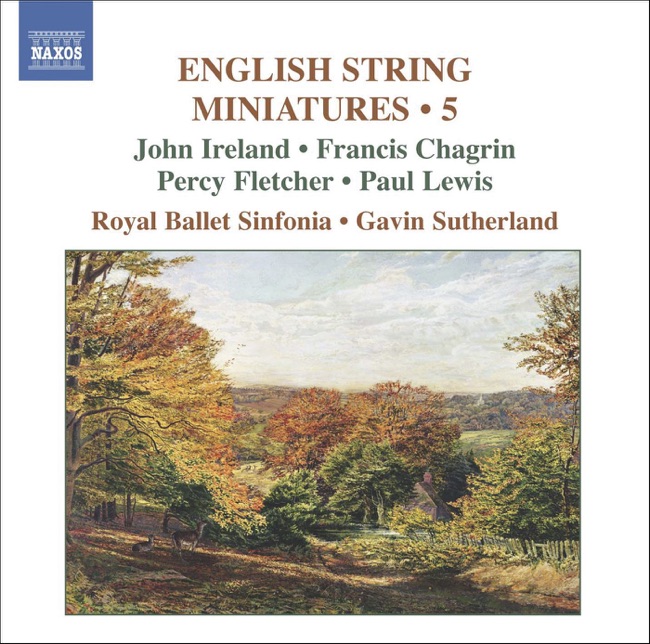 June 20, 2006
 -
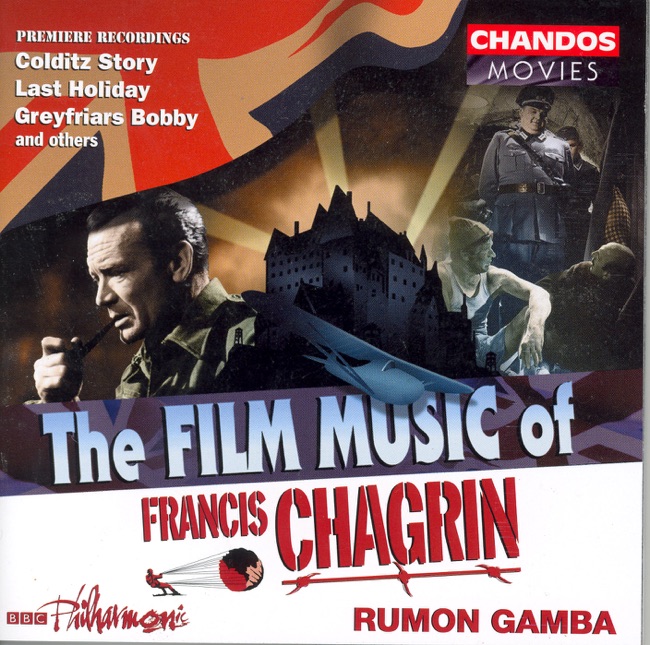 July 26, 2005
 -
 January 1, 2001
 -
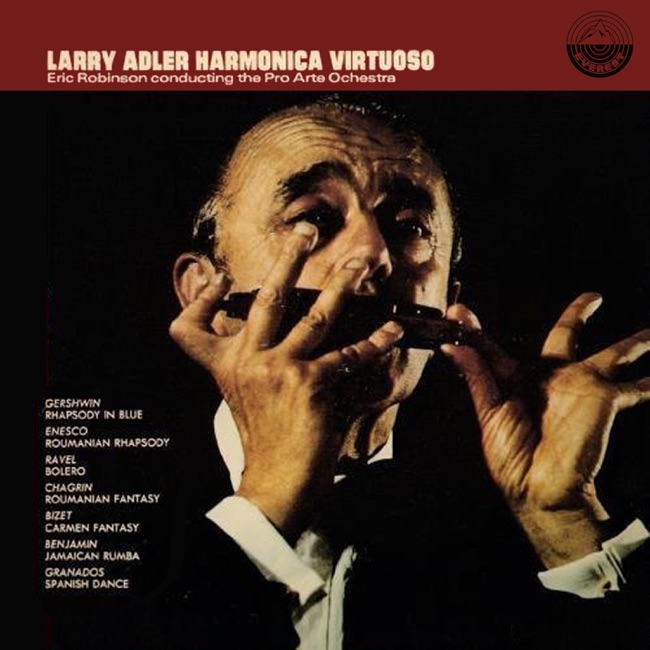 October 10, 1965
Chamber
-
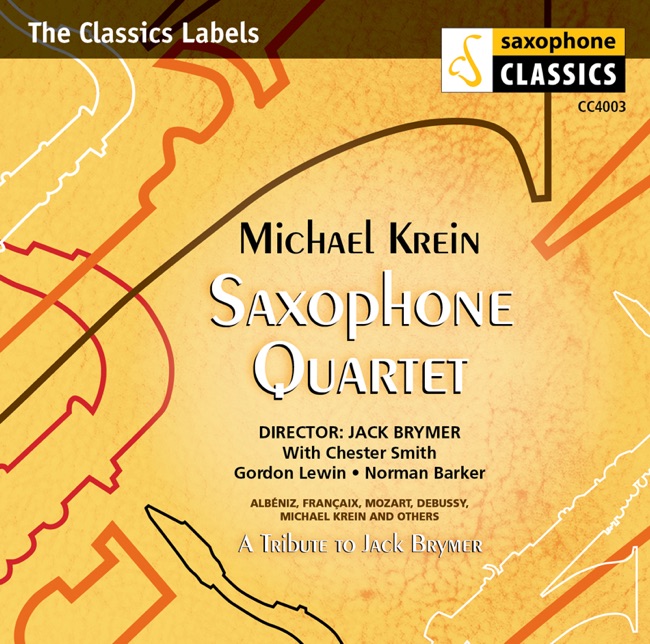
-
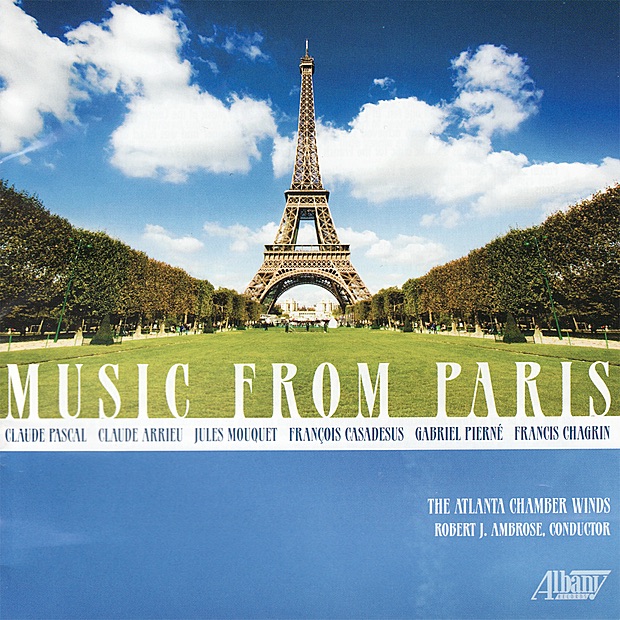 July 14, 2009
Film
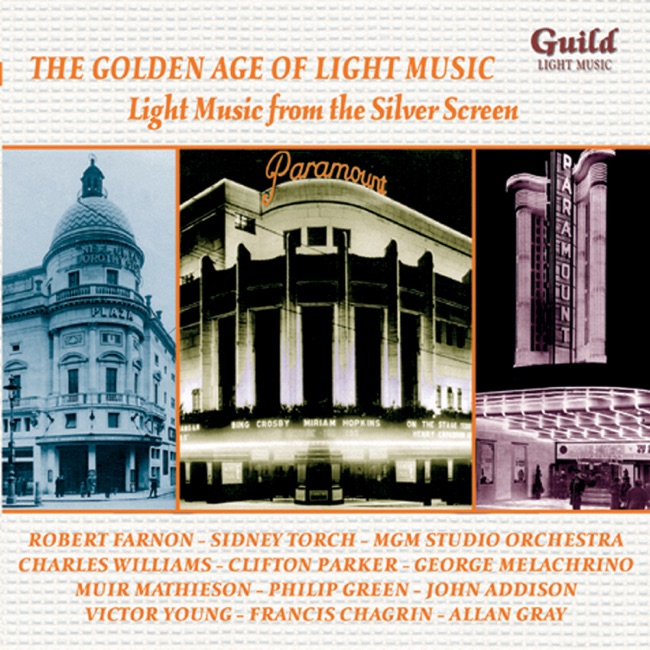
Symphony
-
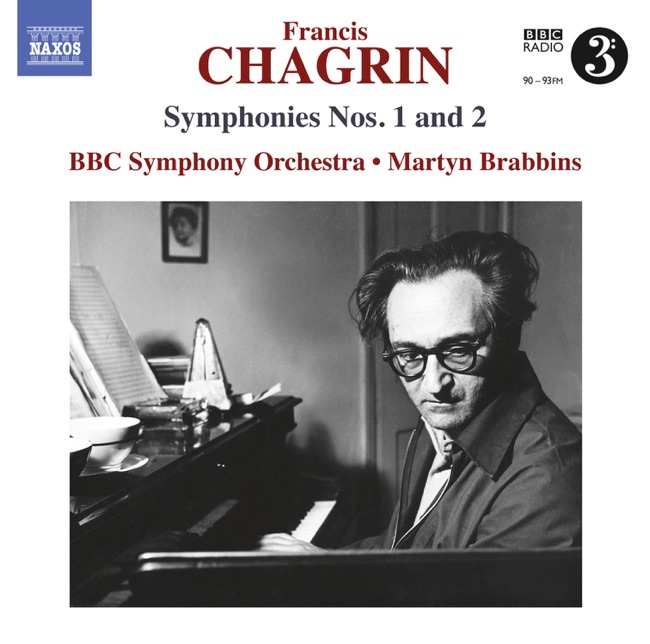 February 12, 2016
Artist Info
Role:ComposerBirth:November 15, 1905 in Bucharest, RomaniaDeath:November 10, 1972 in London, EnglandPeriod:ContemporaryModernGenre:ChamberOrchestralFrancis Chagrin was a British composer of classical music, born on November 15, 1905, in Bucharest, Romania. His birth name was Alexander Paucker, but he changed it to Francis Chagrin after moving to England in 1931. Chagrin was a prolific composer, conductor, and teacher, who made significant contributions to the development of British music in the 20th century. Chagrin's family was of Jewish origin, and he grew up in a musical environment. His father was a violinist, and his mother was a pianist. Chagrin started playing the piano at an early age and showed a natural talent for music. He studied at the Bucharest Conservatoire and later at the Vienna Academy of Music, where he received a diploma in composition. In 1931, Chagrin moved to England, where he settled in London. He quickly established himself as a composer and conductor, and his works were performed by leading orchestras and ensembles. Chagrin was also a teacher, and he taught at the Royal Academy of Music, the Guildhall School of Music and Drama, and the Trinity College of Music. Chagrin's music was influenced by a variety of styles, including classical, folk, and jazz. He was particularly interested in the use of new technologies in music, and he experimented with electronic music and musique concrète. Chagrin's music was characterized by its rhythmic vitality, melodic inventiveness, and harmonic richness. Chagrin's early works were mainly chamber music, including string quartets, piano sonatas, and songs. His first major orchestral work was the ballet "The Lady and the Fool," which was premiered by the Sadler's Wells Ballet in 1954. The ballet was a great success and established Chagrin as a leading composer of ballet music. Chagrin's other notable works include the opera "The Two Bouquets," which was premiered at the Royal Opera House in 1957, and the orchestral suite "The Cornish Coast," which was commissioned by the BBC in 1959. Chagrin also composed music for films, including "The Colditz Story" (1955) and "The Battle of the River Plate" (1956). Chagrin was a versatile composer, and he wrote music for a wide range of ensembles and genres. He composed music for brass bands, wind bands, and military bands, as well as for choirs and solo instruments. Chagrin's music was often performed on radio and television, and he was a regular contributor to the BBC's "Music While You Work" program. Chagrin was also a conductor, and he conducted many of his own works as well as those of other composers. He was particularly interested in promoting the music of contemporary British composers, and he founded the Society for the Promotion of New Music in 1943. The society provided a platform for young composers to showcase their works and helped to establish a new generation of British composers. Chagrin was a respected figure in the British music scene, and he received many honors and awards for his contributions to music. He was awarded the OBE (Order of the British Empire) in 1959 and the CBE (Commander of the British Empire) in 1974. Chagrin died on August 10, 1972, in London, at the age of 66. In conclusion, Francis Chagrin was a significant figure in the development of British music in the 20th century. He was a versatile composer, conductor, and teacher, who made important contributions to the fields of classical music, ballet, and film music.More....
Recent Artist Music
2
2:33
6
11:5

Copyright Ⓒ 2013 Davinci Finger. All rights reseved
Service Terms & Policy