


Johann Sebastian Demar
Released Album
Concerto
-
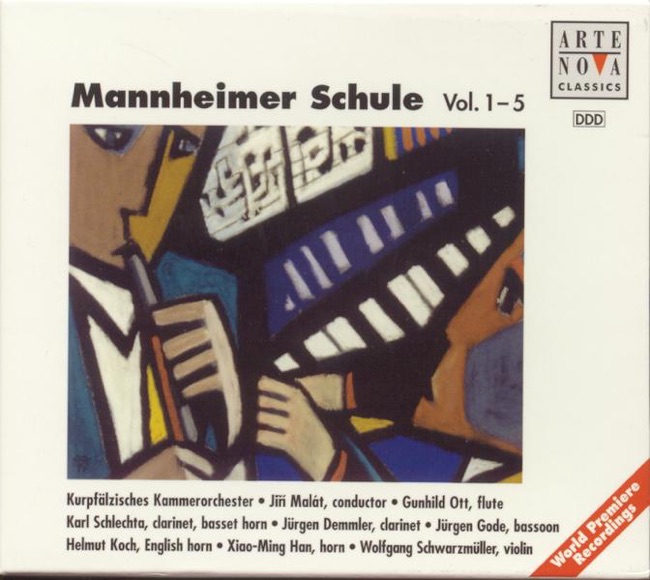 April 1, 1996
 -
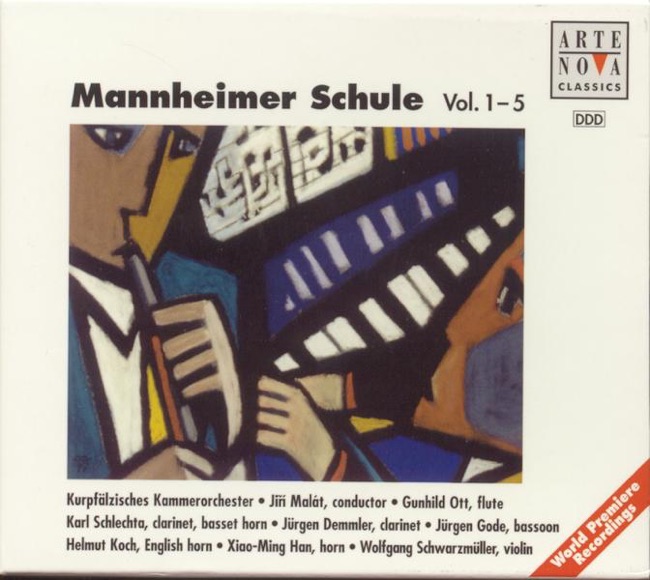 April 1, 1996
Artist Info
Role:ComposerBirth:1763Death:1832Period:ClassicalGenre:ConcertoJohann Sebastian Demar was a German composer and musician who lived from 1685 to 1750. He is widely regarded as one of the greatest composers of all time, and his music continues to be celebrated and performed around the world. Demar was born into a musical family in Eisenach, Germany. His father, Johann Ambrosius Demar, was a musician and court trumpeter, and his mother, Maria Elisabeth Lämmerhirt, came from a family of musicians. Demar was the youngest of eight children, and he showed an early talent for music. He began studying the violin and keyboard at a young age, and he quickly became proficient in both instruments. In 1703, Demar began his professional career as a musician in the court of Weimar. He served as a court musician and composer for several years, and he also worked as a church organist. During this time, he composed a number of works for the court and the church, including cantatas, sonatas, and keyboard pieces. In 1717, Demar accepted a position as the music director for the court of Prince Leopold of Anhalt-Cöthen. This was a significant turning point in his career, as it allowed him to focus on composing and performing music without the distractions of court politics. During his time in Cöthen, Demar composed some of his most famous works, including the Brandenburg Concertos, the Suites for Unaccompanied Cello, and the Well-Tempered Clavier. In 1723, Demar accepted a position as the music director for the city of Leipzig. This was a challenging job, as he was responsible for composing music for the city's churches and schools, as well as for the university and the court. Despite the demands of his job, Demar continued to compose some of his most famous works during this time, including the St. Matthew Passion, the Mass in B Minor, and the Goldberg Variations. Demar's music was characterized by its complexity, its emotional depth, and its technical virtuosity. He was a master of counterpoint, and his music often featured intricate melodies and harmonies that were woven together in complex and beautiful ways. He was also a master of form, and his works often followed strict structural rules that allowed him to create music that was both intellectually satisfying and emotionally powerful. Demar's music was also deeply influenced by his religious faith. He was a devout Lutheran, and his music often reflected his belief in the power of music to express the mysteries of faith. His choral works, in particular, were often deeply spiritual and emotional, and they continue to be celebrated for their beauty and power. Despite his many accomplishments, Demar's life was not without its challenges. He suffered from a number of health problems throughout his life, including eye problems, gout, and depression. He also experienced personal tragedies, including the deaths of several of his children and his first wife. Despite these challenges, Demar continued to compose music until the end of his life. He died in Leipzig in 1750, leaving behind a legacy of music that continues to inspire and move people around the world. His music has been performed by countless musicians and orchestras, and it continues to be celebrated for its beauty, its complexity, and its emotional power.More....
Recent Artist Music
Copyright Ⓒ 2013 Davinci Finger. All rights reseved
Service Terms & Policy