


Edward J. Miller
Released Album
Chamber
-
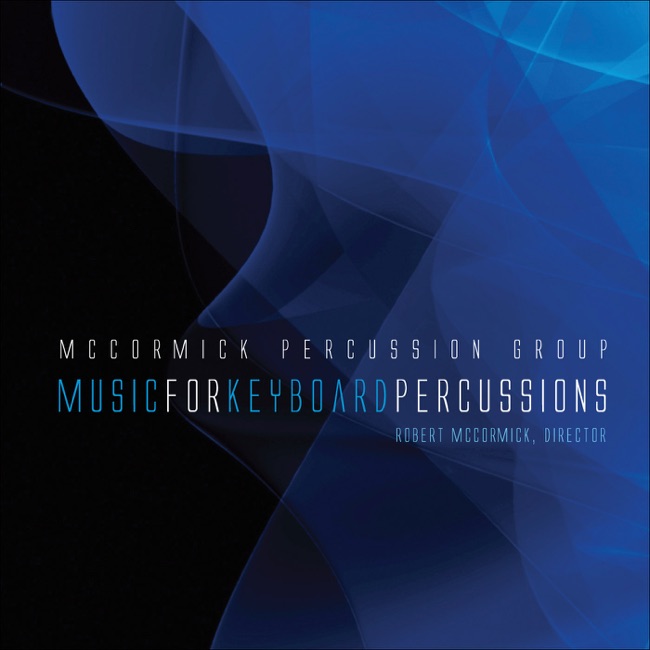 February 23, 2010
 -
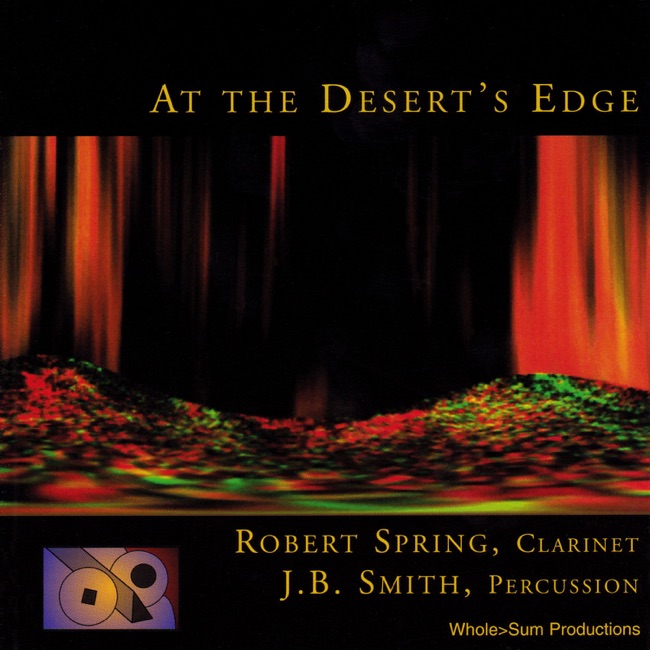 January 1, 1994
Orchestral
-
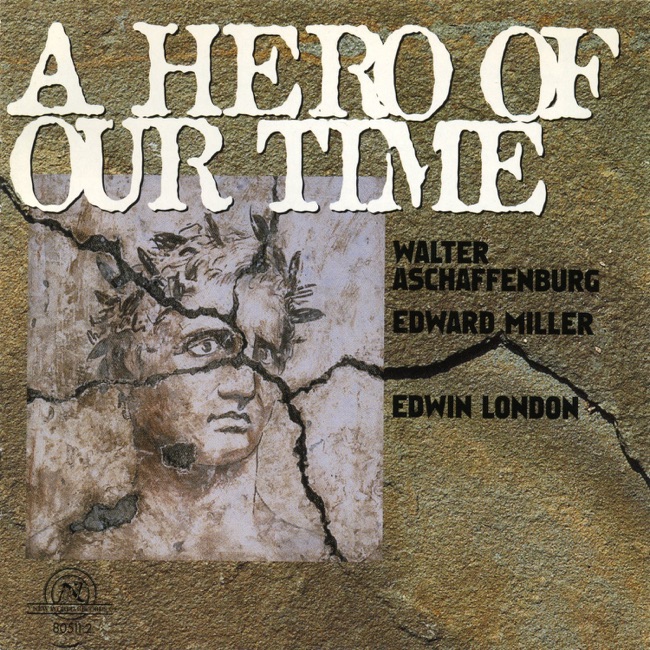 April, 1997
Artist Info
Role:Composer PerformerCountry: United KingdomBirth:1930Period:ModernGenre:ChamberConcertoKeyboardOrchestralEdward J. Miller was a renowned classical music composer who was born on May 12, 1928, in New York City. He was the youngest of three children born to a family of musicians. His father was a violinist, and his mother was a pianist. From a young age, Miller was exposed to music and began playing the piano at the age of four. Miller's parents recognized his talent and enrolled him in the Juilliard School of Music when he was just six years old. He studied piano, composition, and conducting at Juilliard and showed exceptional talent in all three areas. Miller's teachers at Juilliard included some of the most prominent musicians of the time, including Aaron Copland, Leonard Bernstein, and Igor Stravinsky. After graduating from Juilliard, Miller began his career as a composer. His early works were heavily influenced by the music of Stravinsky and Copland, but he soon developed his own unique style. Miller's music was characterized by its complex harmonies, intricate rhythms, and use of unconventional instruments. One of Miller's early works, "Symphony No. 1," was premiered by the New York Philharmonic in 1952. The piece was well-received by critics and established Miller as a rising star in the classical music world. Over the next few years, Miller continued to compose and his works were performed by orchestras around the world. In 1956, Miller was awarded a Guggenheim Fellowship, which allowed him to travel to Europe and study with some of the continent's most prominent composers. While in Europe, Miller was exposed to a wide range of musical styles, including the avant-garde music of Pierre Boulez and Karlheinz Stockhausen. These experiences had a profound impact on Miller's music, and he began incorporating more experimental elements into his compositions. One of Miller's most famous works, "Concerto for Piano and Orchestra," was premiered in 1961. The piece was written for the pianist Glenn Gould, who was known for his unconventional interpretations of classical music. The concerto was a challenging piece for both the pianist and the orchestra, with complex rhythms and dissonant harmonies. Despite its difficulty, the piece was a critical and commercial success and is still performed today. Throughout the 1960s and 1970s, Miller continued to compose and his works became increasingly experimental. He began incorporating electronic instruments and tape recordings into his compositions, and his music became more abstract and challenging. Some critics accused Miller of abandoning traditional musical forms and alienating audiences, but others praised him for pushing the boundaries of classical music. One of Miller's most controversial works was "Four Pieces for Orchestra," which was premiered in 1972. The piece was written for a large orchestra and included unconventional instruments such as sirens and car horns. The piece was met with mixed reviews, with some critics calling it a masterpiece and others dismissing it as noise. Despite the controversy surrounding his music, Miller continued to be a prolific composer throughout his career. He wrote over 100 works, including symphonies, concertos, and chamber music. His music was performed by some of the world's most prestigious orchestras, including the New York Philharmonic, the London Symphony Orchestra, and the Berlin Philharmonic. Miller's contributions to classical music were recognized with numerous awards and honors.More....
Recent Artist Music
Copyright Ⓒ 2013 Davinci Finger. All rights reseved
Service Terms & Policy